NFT Market Explained: Uses, Value & Marketing Strategies
Inbound marketing packages combine content, SEO, automation, and analytics to attract qualified leads, nurture relationships, and drive scalable, long-term growth for businesses across industries—including Web3 and NFT projects.
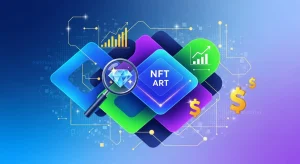
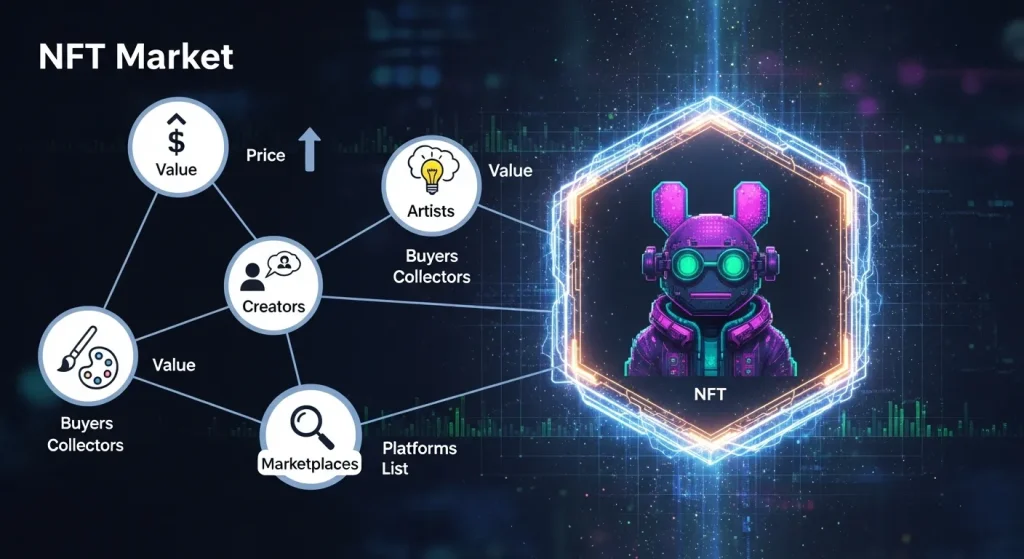
NFTs, or non-fungible tokens, have taken the digital world by storm, creating entirely new opportunities for creators, collectors, and investors alike. From digital art selling for millions of dollars to innovative applications in gaming, virtual real estate, fashion, and beyond, NFTs have transformed how we perceive digital ownership. The rise of the NFT market has not only sparked excitement but also debates and skepticism, as people question the true value and utility of these unique assets.
At its core, the NFT market functions as a dynamic ecosystem where creators can mint exclusive digital assets, collectors can acquire verifiable ownership, and investors can explore new avenues for speculation and growth. This market is growing rapidly, with platforms like OpenSea, Rarible, and Binance NFT making it easier than ever to participate. Whether you’re a digital artist, a gaming enthusiast, or a savvy investor, understanding the NFT market is key to navigating this evolving digital frontier and capitalizing on its potential.
What Are NFTs and How Do They Work
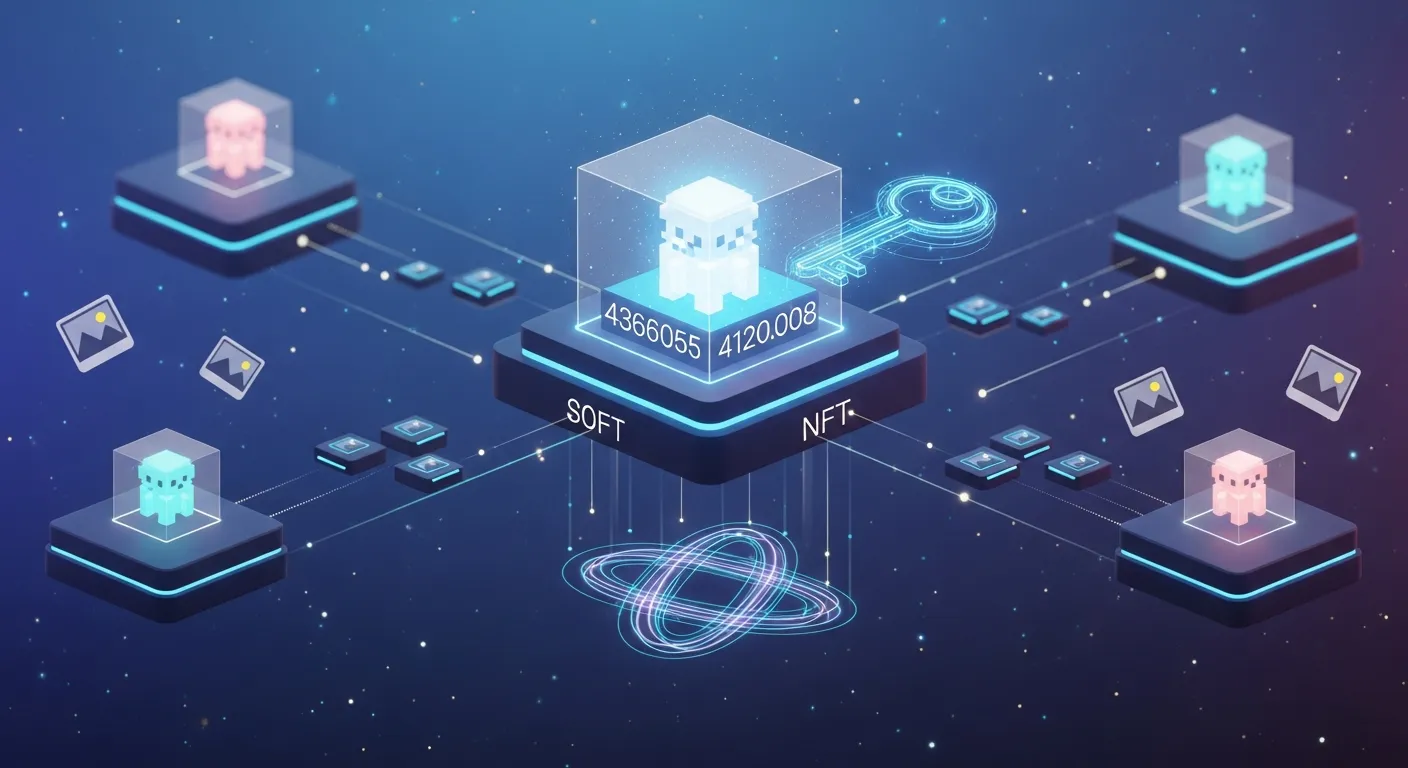
First, let’s break down what an NFT actually is.
An NFT, or non-fungible token, is a unique digital asset stored on a blockchain. Unlike cryptocurrencies like Bitcoin, which are fungible (meaning each Bitcoin is identical in value and can be exchanged 1-to-1), NFTs are unique and cannot be replaced or exchanged on a like-for-like basis. Each NFT is one of a kind, or part of a very limited edition, and it’s this uniqueness that defines its value.
NFTs are primarily built using blockchain technology, typically on Ethereum’s network, although other blockchains also support NFTs. The blockchain acts as a secure, decentralized ledger that records ownership, ensuring each NFT is authentic and verifiable. This distinction allows creators, buyers, and sellers to establish clear ownership rights and trace the history of the token.
The Value of NFTs
1. Provenance and Ownership
One of the most significant contributions of NFTs is their ability to establish clear and provable ownership over digital items. Before NFTs, it was challenging to prove the originality and authenticity of digital files like art or music. With NFTs, however, owners have a transparent proof-of-ownership record that’s stored on the blockchain. These records are immutable, meaning they can’t be tampered with or altered.
For example:
-
A digital artist can mint an artwork as an NFT and sell it to a collector, who will have irrefutable proof of ownership.
-
A musician can tokenize their songs, ensuring buyers have an official copy rather than an illegally pirated one.
2. Empowering Creators
NFTs have provided a revolutionary new revenue stream for creators. Traditionally, artists, musicians, and other creators often faced challenges with fair compensation due to intermediaries and distribution platforms taking a large cut. NFTs cut out the middlemen, allowing creators to retain more of the earnings.
Additionally, creators can program royalties into their NFTs, ensuring they earn a percentage every time their work is resold. This is something that was nearly impossible in traditional art markets or music licensing.
3. Digital Scarcity and Collectibles
The concept of digital scarcity is one of the defining features of NFTs. While digital files are typically infinitely replicable, NFTs assign a certain level of rarity that closely mirrors traditional collectibles like rare coins or baseball cards.
For instance:
-
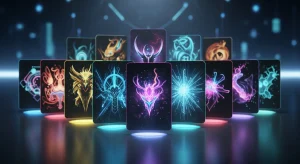
Digital art pieces by famous creators, limited-edition sneakers tied to an NFT, or even exclusive virtual gaming items carry unique scarcity that drives demand.
-
Collectors are willing to pay a premium for digital goods they know will remain unique or part of a small, exclusive collection.
4. Interoperability in Virtual Ecosystems
NFTs are at the forefront of creating interoperability between virtual environments. Take gaming, for example. Players can earn, purchase, or trade NFTs such as virtual weapons, characters, or skins across different games, provided they share the same blockchain.
This interoperability also extends to metaverses, where users own virtual properties, wearables, and digital items represented as NFTs. These assets can be showcased, sold, or traded across virtual spaces, giving users full control and portability.
5. Investment and Speculation
While NFTs’ artistic and functional aspects are significant, they also hold value as an investment tool. Much like traditional commodities or fine art, certain NFTs can appreciate over time as their rarity, significance, or cultural relevance grows.
For instance:
-
The NFT for Beeple’s “Everydays” artwork sold for $69 million in 2021, making it a cultural milestone that only gained fame because of its uniqueness and demand.
-
Some NFT-focused projects offer fractional ownership, where individuals can invest in smaller shares of high-value NFTs, democratizing access to high-end markets.
6. Tokenizing Real-World Assets
Beyond the digital world, NFTs are increasingly used to tokenize and manage ownership of physical assets.
For example:
-
Real estate can be tokenized using NFTs, representing ownership or shares in a property. This creates fractional ownership opportunities, making high-value assets accessible to more people.
-
Limited-edition luxury items like sneakers or handbags can have NFTs tied to them, ensuring reduced counterfeiting and seamless resale on secondary markets.
Applications of NFTs Across Industries
Art and Music
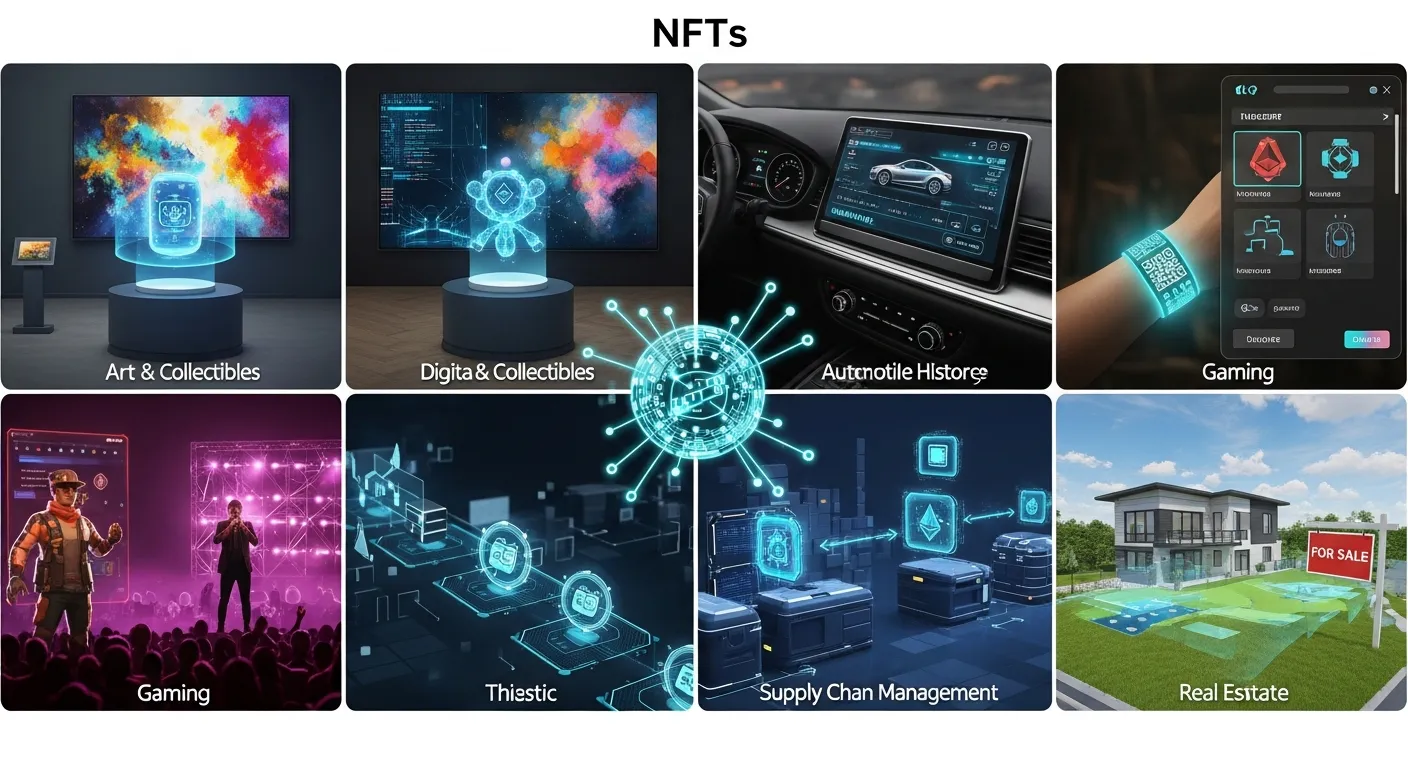
NFTs are revolutionizing creative industries by empowering artists and musicians to monetize their work directly. Platforms like OpenSea and Rarible allow creators to mint and sell unique digital artworks, while musicians can release limited-edition NFTs tied to singles, albums, or exclusive fan experiences.
Fashion and Luxury Goods
Fashion brands are leveraging NFTs to create virtual clothing collections within the metaverse. Some brands also issue NFTs as digital certificates of authenticity for luxury items like watches, handbags, or sneakers.
Sports and Entertainment
Sports fans can purchase collectible memorabilia as NFTs. For example, the NBA’s Top Shot platform allows fans to own highlights of their favorite basketball players. Similarly, NFTs are being used for concert tickets, granting secure and anti-counterfeit access.
Real Estate
NFTs are starting to transform buying and selling property. By tokenizing real estate as NFTs, the process becomes more efficient, transparent, and accessible. Investors can also fragment ownership of properties through NFTs.
Education and Credentials
NFTs offer a practical way to issue verifiable certificates, diplomas, or badges for academic institutions or professional training programs. These credentials can be universally recognized and stored digitally without risk of fraud.
Why NFTs Matter in the Long Run
The true point of having NFTs lies in their ability to redefine ownership, create value for creators, and push the boundaries of technology in our daily lives.
While skepticism around NFTs remains, they’ve already proven their potential in decentralizing industries, promoting transparency, and enabling fairer opportunities for creators and users alike. From art to real estate, their versatility and impact on traditional systems show that NFTs are far from a passing trend.
NFT Marketing Strategies
NFT marketing helps creators and businesses grow visibility, build communities, and increase adoption. Key strategies include:
- Community Engagement: Build loyal followers on Discord, Twitter, and Telegram.
- Collaborations: Partner with brands, artists, or influencers for limited drops.
- Content Marketing: Storytelling, blogs, and social media campaigns highlight value.
- Giveaways & Airdrops: Reward early adopters and attract attention.
- Influencer Marketing: Work with NFT-focused influencers to build credibility.
- SEO & Paid Ads: Optimize NFT listings and run targeted campaigns for collectors.
Effective marketing drives engagement, hype, and value within the competitive NFT market, ensuring long-term success for creators and projects.
NFT Gaming and Virtual Assets
NFTs are revolutionizing the gaming industry by turning in-game items, characters, and skins into valuable digital assets. Players can earn, buy, sell, and trade NFTs across compatible games, giving virtual assets real-world value. This creates entirely new revenue streams for gamers and developers alike. NFT marketing plays a critical role here, promoting limited-edition items, gaming drops, and exclusive events to maximize player engagement. By building active communities around game NFTs, developers can increase retention and hype while ensuring that items remain scarce and collectible. As interoperability expands, NFT gaming ecosystems are bridging multiple virtual worlds, demonstrating how the NFT market is no longer confined to art but is reshaping entertainment and interactive digital economies.
NFT Marketplaces and Platform Growth
NFT marketplaces like OpenSea, Rarible, and Binance NFT serve as the backbone of the NFT ecosystem. These platforms allow creators to mint NFTs, collectors to buy and sell assets, and investors to track trends and opportunities. NFT marketing is essential for marketplace growth, helping projects stand out in an increasingly crowded environment. Campaigns that focus on SEO, social media, influencer partnerships, and targeted ads ensure drops reach the right audience. Platforms also benefit from community engagement initiatives, including forums, Discord servers, and educational content. By leveraging effective marketing strategies, NFT marketplaces can drive traffic, increase transaction volumes, and support emerging creators, solidifying their role in the rapidly expanding NFT market.
NFTs in Fashion and Lifestyle
Fashion and lifestyle brands are embracing NFTs to create unique digital experiences for consumers. Virtual clothing collections, limited-edition collectibles, and digital certificates of authenticity enhance brand value and customer engagement. NFT marketing strategies amplify these efforts, using social media campaigns, influencer collaborations, and exclusive drops to generate excitement and loyalty. By linking physical items to NFTs, brands can reduce counterfeiting and ensure provenance. Additionally, gamified experiences, AR try-ons, and metaverse events help merge virtual and real-world interactions. These initiatives showcase how NFTs are transforming the lifestyle sector while tapping into a growing collector base. Businesses that invest in strategic NFT marketing can expand visibility, cultivate communities, and thrive in the evolving NFT market.
NFTs for Social Impact and Community Engagement
NFTs are increasingly used to support social causes, charitable projects, and community-driven initiatives. By tokenizing artwork or experiences, organizations can raise funds transparently while offering unique incentives to donors. NFT marketing amplifies these campaigns, spreading awareness, driving participation, and highlighting impact stories. Limited-edition NFT drops can attract collectors motivated by both social good and asset value. Community-focused NFT projects encourage engagement through Discord channels, social media challenges, and reward programs. As a result, creators and organizations can build loyal networks while making a measurable difference. The combination of NFT marketing and social impact demonstrates how the NFT market is evolving beyond art and commerce into purpose-driven digital economies.
NFTs and Digital Commerce
NFTs are reshaping digital commerce by providing verifiable ownership, digital scarcity, and monetization opportunities for creators and businesses. Unlike standard digital files, NFTs cannot be replicated without proof of ownership, reducing fraud and boosting trust. Brands leverage NFTs for exclusive experiences, such as virtual fashion collections, limited-edition collectables, and ticketed events. In gaming, NFTs allow players to buy, sell, and trade items across platforms, turning virtual achievements into real-world value. Fractional ownership through NFTs also democratises high-value assets, such as real estate or luxury goods, making them accessible to more people. As the NFT market expands, it empowers creators and businesses to monetize content efficiently, engage communities, and participate in a decentralized digital economy that bridges virtual and physical worlds.
How You Can Explore the NFT Space
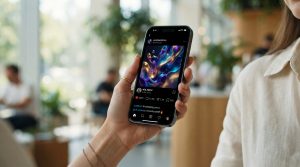
Whether you’re an artist, a collector, or simply curious about this evolving phenomenon, NFTs offer endless opportunities to explore. Start by researching reputable NFT platforms like OpenSea, Binance NFT, or Rarible. Engage with communities on platforms like Discord or Twitter to learn from experienced users, and always approach NFT purchases with caution and research.
NFTs represent a new way of interacting with the digital and physical world. And the best part? We’re only scratching the surface of what they’re truly capable of.