The Ultimate NFT Art Marketing & Selling Guide to Maximize Digital Value
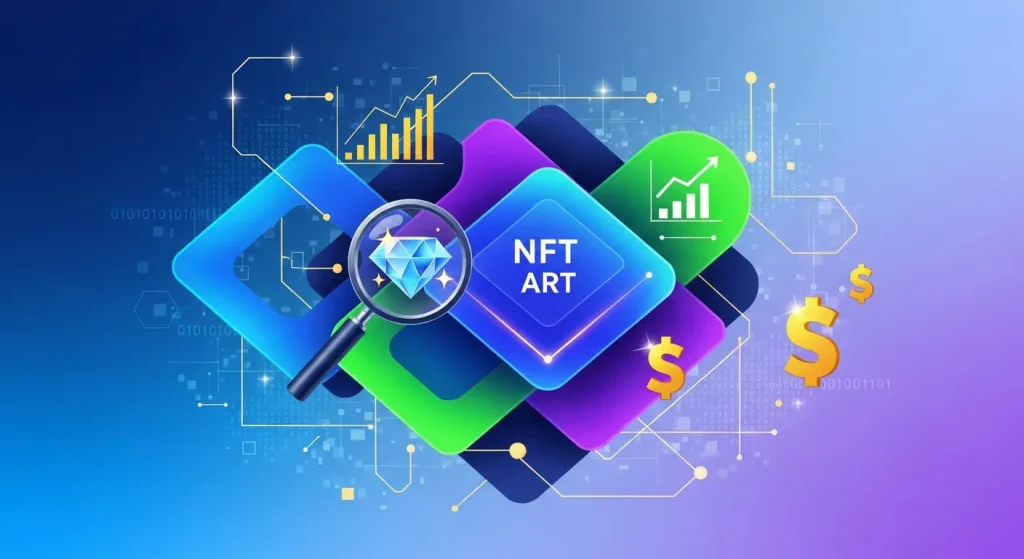
NFTs offer verified digital ownership, utility, and cultural relevance. Gaming, art, luxury, and real estate thrive. Strategic marketing, community engagement, and smart investment ensure lasting value and adoption.
The meteoric rise of non-fungible tokens (NFTs) in the early 2020s sparked both awe and scepticism. These digital assets, verified by blockchain technology as unique, promised to revolutionize art, music, gaming, real estate, and even how we perceive ownership. But now, the question on everyone’s mind is, “Do NFTs still have value?”
This blog explores where NFTs stand today, their evolution, and what roles they continue to play in the digital economy. If you’ve wondered whether NFTs are a technological fad or a groundbreaking innovation, keep reading—we’ve got answers.
The Evolution of NFTs
 To understand where NFTs stand, we need to look back at their roots. NFTs exploded into mainstream consciousness between 2020 and 2022, with platforms like OpenSea and Rarible facilitating multi-million-dollar sales. Digital artworks such as Beeple’s “Everydays” sold for an astounding $69 million at Christie’s auction house, leading many to view NFTs as the future of digital ownership.
But this unrestrained hype led many critics to call the NFT space a “bubble.” Questions about speculative overpricing, environmental impacts of energy-intensive blockchain systems like Ethereum, and the proliferation of low-quality projects left a shadow over NFTs as 2023 arrived.
Fast forward, and the landscape has shifted. The NFT market has matured and consolidated, proving resilient in certain sectors while shedding much of its speculative frenzy.
Current Value of NFTs
NFTs have survived the early hype cycle, and their value is now measured by a few critical components:
1. Utility
The NFT market has steered away from art alone. That’s not to say digital art is obsolete, but NFTs now thrive in applications like ticketing, gaming, and membership programs.
For instance, gaming has become a multi-billion-dollar industry for NFTs. Play-to-earn (P2E) ecosystems like Axie Infinity have evolved into polished, sustainable models. Players now use NFTs to own in-game assets like weapons, avatars, or plots of land that they can trade, upgrade, or monetize.
Similarly, brands like Nike and Gucci use NFTs to enable exclusive access to physical events, product launches, or limited-edition collections. These “membership NFTs” focus on loyalty, creating real-world utility tied to exclusive perks.
2. Provenance and Digital Identity
NFTs remain a secure way to prove digital ownership, authenticity, and originality. Creators now bundle NFTs with physical products in innovative ways. For instance, when purchasing a luxury watch or handbag, buyers also receive a blockchain-powered NFT certificate that adds a digital dimension of provable exclusivity.
Additionally, social media platforms like Twitter and Instagram have integrated NFT profile pictures, enabling users to showcase their digital identity. Verified blockchain badges have become a social status symbol for individuals and brands alike.
3. Cultural and Social Value
Culturally significant NFTs, including music drops, one-of-a-kind moments in sports, and iconic visual art, continue to hold value. Platforms like NBA Top Shot, which sell video clips of sports highlights as NFTs, have refined their business models and still garner interest from collectors.
Similarly, musicians are using NFTs to build direct relationships with fans. By releasing NFT-backed albums, artists offer fans perks like concert tickets, unreleased tracks, or even profit-sharing from streams.
4. Scarcity and Rarity
NFTs remain rooted in the concept of scarcity. Unique, high-quality projects by respected creators still maintain value. While speculative “cash grabs” have dwindled, well-executed NFT collections tied to meaningful narratives continue to attract investors and collectors.
Key Sectors Still Thriving with NFTs
Gaming
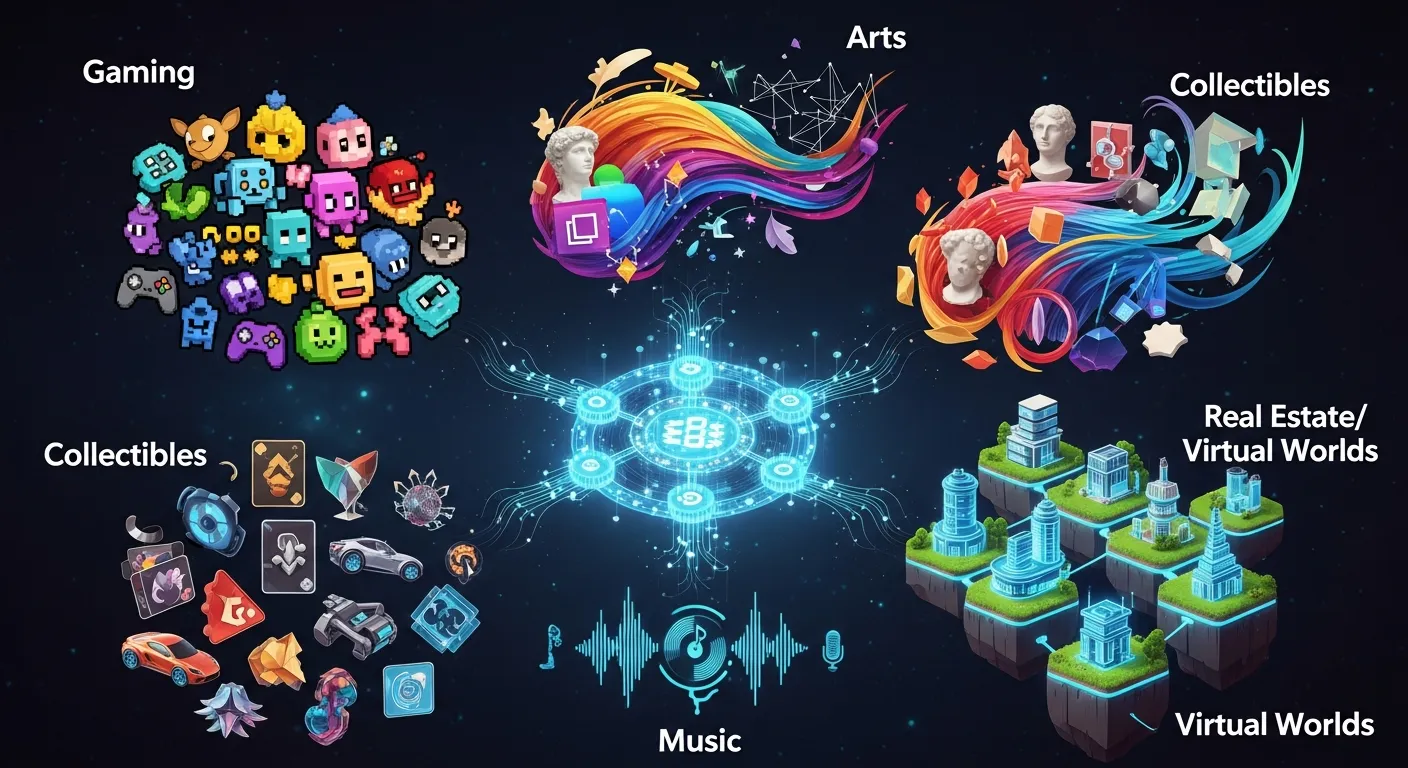
The gaming industry has arguably been the most successful adopter of NFTs. Players now value the ownership of digital goods, especially those tied to interoperable ecosystems that allow assets to move across games or platforms. Blockchain games such as Star Atlas and The Sandbox have grown significantly, showing how NFTs intertwine with virtual worlds and economies.
Real Estate
Real estate has emerged as the sleeper hit of the NFT space. Virtual real estate within the metaverse offers new income streams via leasing digital spaces for advertisements, art galleries, or virtual offices. On the physical side, NFTs are increasingly used as deeds to homes, streamlining real estate transactions with unparalleled security and transparency.
Luxury Goods
Luxury goods brands continue to pioneer NFT-backed authentication to reduce counterfeit products and enhance customer trust. By buying a high-end product secured with an NFT, customers gain virtual proof of ownership, elevating the purchase’s value.
Challenges Confronting NFTs
While NFTs have matured, challenges remain.
- Market Saturation: The NFT space is crowded. While premium collections thrive, countless lesser-known projects have struggled to remain relevant, leaving new entrants skeptical.
- Regulation: Governments have increased scrutiny on NFTs, regulating both taxation and copyright infringement more strictly. This has added compliance costs for creators and marketplaces.
- Environmental Concerns: Although Ethereum moved to a proof-of-stake system in 2022, other platforms impact the environment, creating hurdles in appealing to environmentally-conscious consumers.
What Does the Future Hold for NFTs?
The future of NFTs looks promising in sectors where utility and community building take precedence. Projects with long-term plans, utility tokens, and cross-industry partnerships will lead. For example, the budding intersection of AI and NFTs may create even smarter, more dynamic assets.
Educational efforts are increasing public awareness, which may remove the intimidation factor and broaden adoption among mass audiences. Beyond enthusiasts and early adopters, NFTs will shape how brands engage with customers, how creators monetize work, and how we interact with virtual and real worlds.
How You Can Engage with NFTs
- Invest Wisely
If you’re investing in NFTs, do thorough research. Focus on collections tied to strong communities or utility. Avoid falling prey to speculative hype.
- Learn the Technology
Educate yourself about blockchain technologies like Ethereum, Solana, or Polygon so that you can make informed decisions about which platforms align with your goals.
- Participate in Communities
Join NFT groups on platforms like Discord or Twitter Spaces to stay updated and connect with creators and buyers who share your interests.
- Consider Utility First
When purchasing or creating an NFT, consider its real-world or virtual-world functionality. Think beyond aesthetics and evaluate how the token can add value to your life or business.
NFTs Still Hold Value
Despite the buzz diminishing, NFTs remain a powerful technology that has evolved far beyond its early days. From advancing ownership models to enabling new avenues of creativity, NFTs have proven they’re more than a fleeting trend.
Whether you’re a creator, an entrepreneur, or simply someone who loves being ahead of the curve, now’s the time to explore everything the NFT space has to offer.
Cultural Significance of NFTs
NFTs now capture moments in sports, music, and digital culture. NBA Top Shot, music releases, and iconic art pieces hold cultural and monetary value. These assets serve as status symbols and collectables. NFTs facilitate direct creator-fan engagement, allowing exclusive interactions or profit-sharing opportunities. They preserve unique experiences digitally, increasing scarcity-driven value. Culturally relevant NFTs create long-lasting appeal and deepen community involvement. By merging social identity with collectable value, NFTs go beyond investment—they represent fandom, heritage, and shared digital experiences. Their cultural significance ensures they maintain relevance, even as speculative hype decreases.
NFT Market Challenges
NFTs face several challenges. Market saturation makes visibility difficult for new projects. Regulatory scrutiny increases compliance costs, including taxes and copyright obligations. Environmental concerns remain for certain blockchains, despite Ethereum’s proof-of-stake shift. Scams and low-quality projects can erode trust. Investors and creators must research communities, platforms, and project utility carefully. Education and awareness help reduce risks and guide sustainable adoption. NFT success now relies on transparency, verified scarcity, utility, and engagement. Projects focused on meaningful use, community building, and credible creators are more likely to thrive long-term.
NFT Marketing Strategies
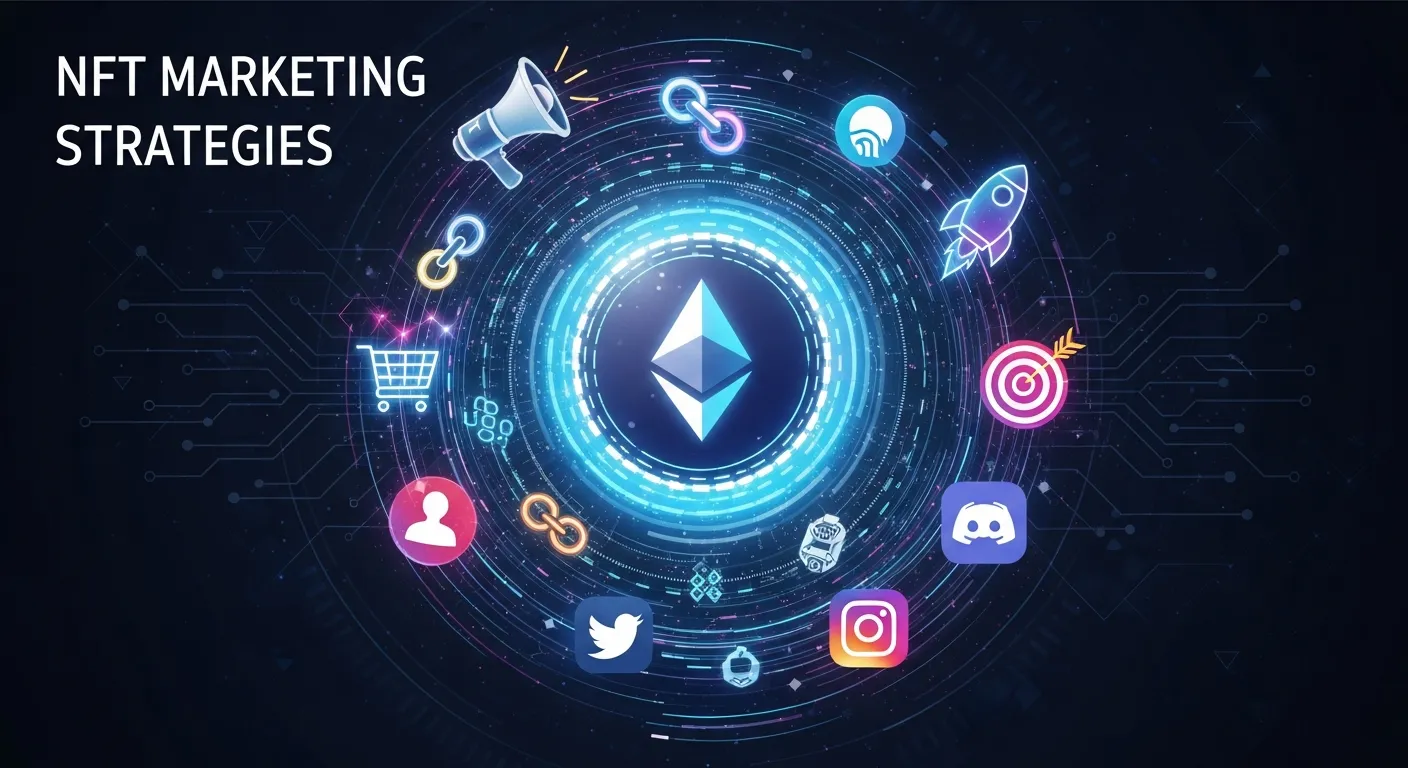
Effective NFT marketing combines digital campaigns and community engagement. Use social media, influencers, and Discord or Telegram communities to build hype. Storytelling emphasizes rarity, utility, and provenance. Timed drops, collaborations, and limited editions create urgency. Highlight real-world or virtual benefits to attract collectors. Transparency, verified ownership, and post-sale engagement maintain trust. By leveraging multiple channels, NFT marketers convert interest into sales and cultivate long-term communities. Combining scarcity, social proof, and clear messaging ensures NFT campaigns resonate with buyers and enhance project sustainability.
Investing in NFTs
Successful NFT investing requires research and strategy. Evaluate creators, community size, utility, scarcity, and provenance. Diversify across gaming, luxury, and cultural NFTs to mitigate risk. Avoid speculative hype and scams. Use secure wallets and verify platforms. Monitor regulatory developments and market trends. Investing with informed choices helps collectors achieve long-term returns while supporting credible projects. NFT investments succeed when they balance utility, community, and rarity, offering value beyond mere speculation.
Future of NFTs
NFTs will evolve toward utility, interoperability, and AI integration. Cross-industry partnerships, metaverse adoption, and enhanced education broaden accessibility. Focus on community building, verified ownership, and functionality will drive adoption. NFTs will continue shaping art, gaming, luxury goods, real estate, and digital identity. By prioritizing sustainable projects and meaningful utility, NFTs will remain relevant beyond speculation, serving as tools for engagement, monetization, and innovation in digital economies.
Conclusion
NFTs have proven resilient beyond initial hype. With verified ownership, utility, and cultural relevance, they provide value across gaming, luxury goods, art, and real estate. Sustainable projects focus on community, scarcity, and functionality, balancing creativity and monetization. Challenges remain, including regulation, market saturation, and environmental concerns. Educated investment, active community engagement, and strategic marketing ensure success for creators and collectors. NFTs are no longer speculative fads—they are tools for innovation, brand growth, digital identity, and ownership verification, bridging virtual and physical worlds.
FAQs
What is an NFT?
An NFT (Non-Fungible Token) is a unique digital asset verified on blockchain technology, representing ownership of art, collectables, virtual goods, or real-world items, and cannot be exchanged on a one-to-one basis like cryptocurrencies.
Why do NFTs have value?
NFTs derive value from scarcity, uniqueness, utility, provenance, and community demand. Limited supply, verified ownership, and social or cultural significance make them desirable for collectors, investors, and brands.
How can NFTs be used beyond art?
NFTs now serve gaming, ticketing, virtual real estate, memberships, and loyalty programs. They provide utility, ownership verification, and engagement opportunities beyond collectibles, blending virtual and real-world benefits.
What is NFT marketing?
NFT marketing promotes digital assets through social media, influencer campaigns, storytelling, and community engagement. Strategies highlight rarity, functionality, and cultural value to attract buyers and maintain long-term project relevance.
How do NFT royalties work?
Creators can earn royalties automatically via smart contracts. Each secondary sale generates a percentage of revenue, providing continuous income and incentivizing quality creation while maintaining ownership and provenance.
Are NFTs a good investment?
NFTs can offer high returns but carry risks. Value depends on community strength, utility, rarity, and long-term sustainability. Research and cautious investment are essential to avoid speculative losses.
How can small creators succeed?
Small creators thrive by focusing on niche communities, authentic storytelling, unique utility, collaborations, and consistent engagement. Leveraging platforms like OpenSea, Magic Eden, or Discord helps build visibility and credibility.
Can NFTs represent real-world assets?
Yes. NFTs can represent deeds, luxury products, tickets, or physical collectibles, linking digital verification with tangible ownership and providing secure, transparent proof of authenticity.
How do NFTs affect digital identity?
NFTs enable verified online identities through profile picture NFTs, badges, or certificates. They serve as social proof, establish credibility, and create recognition across digital communities and platforms.
Which platforms are best for NFTs?
Top NFT platforms include OpenSea, Rarible, Magic Eden, Binance NFT, and Blur. Choice depends on blockchain compatibility, audience, fees, and project type, such as art, gaming, or utility-based NFTs.
What risks exist with NFTs?
Risks include scams, market volatility, speculative hype, copyright infringement, platform failure, and regulatory uncertainty. Conducting due diligence and prioritizing verified projects mitigates potential losses.
How do NFT communities affect value?
Strong, engaged communities increase demand, drive secondary sales, and sustain long-term relevance. Active participation, social media buzz, and loyal collectors amplify the perceived and real-world value of NFTs.