Are NFT Cards Worth It? Complete Value & Investment Guide
NFTs, or Non-Fungible Tokens, have reshaped the digital economy, especially in the fast-growing world of digital collectibles like NFT cards. As blockchain technology continues to evolve, many investors and collectors are asking a critical question: NFT Cards Worth — are they truly valuable or just hype-driven assets?
From sports trading moments to gaming assets and branded digital collectibles, NFT cards have sparked debates about the real value of digital ownership. Unlike traditional collectibles, these assets exist entirely online yet sometimes sell for thousands of dollars. This raises curiosity and skepticism in equal measure.
What Are NFT Cards
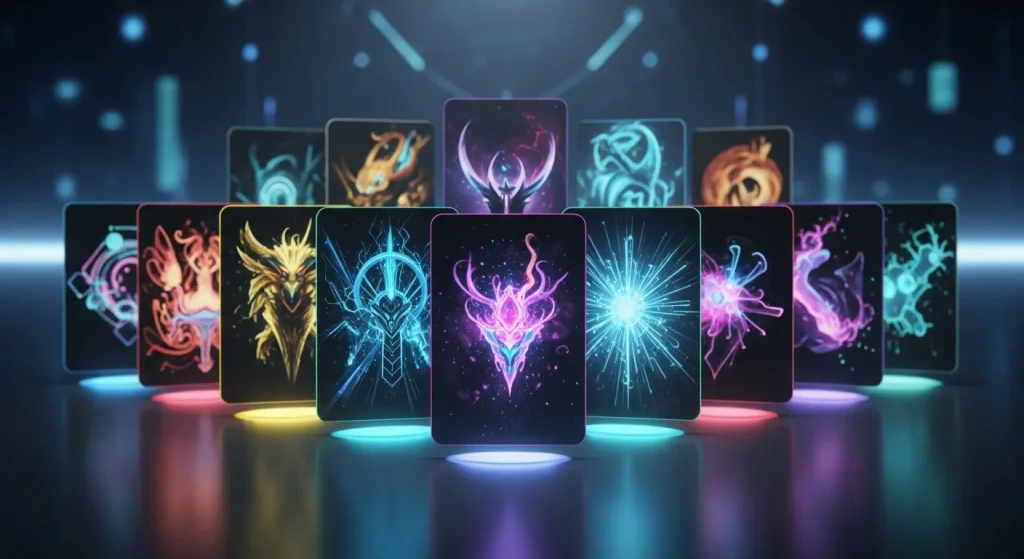
Before assessing their value, it’s critical to understand what NFT cards are. NFT cards are essentially collectible digital assets stored on blockchain technology. Unlike physical trading cards, NFT cards come with unique identifiers that prove their authenticity and ownership. Examples of NFT cards include sports cards, gaming assets, and even branded corporate collectibles.
Popular platforms like NBA Top Shot or Sorare, which center around sports NFT cards, have brought this concept to the masses. Simply put, NFT cards are a new-age approach to buying, selling, and owning collectibles.
But why do they have value? Understanding this often comes down to a mix of ownership, scarcity, and demand.
Why NFT Cards Might Be Worth Something
Scarcity and Demand
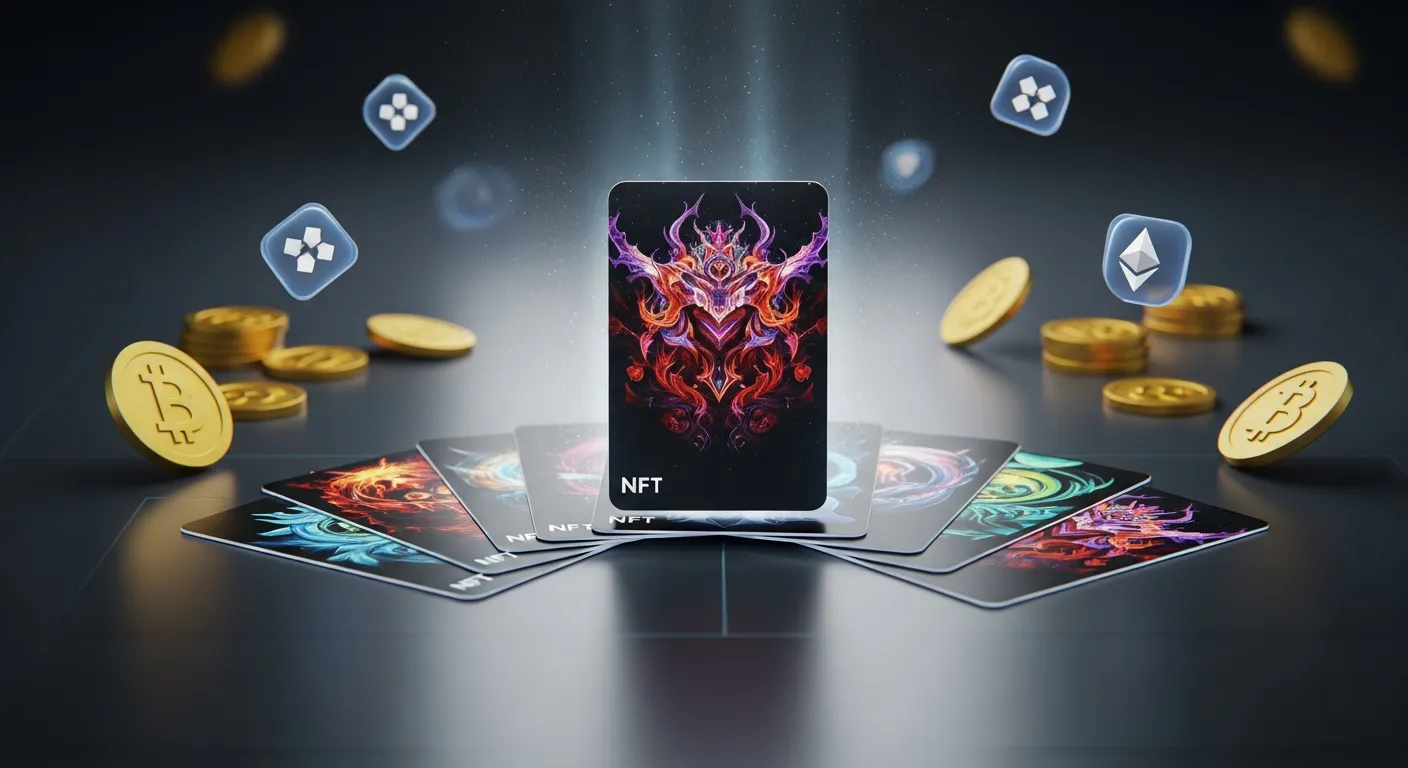
Scarcity is one of the most powerful factors that drive up the value of NFT cards. When a creator issues a limited number of cards or designs, the exclusivity becomes a key selling point. Platforms like NBA Top Shot thrive on this model, offering “moments” that are rare and highly sought after by fans.
On the demand side, markets where communities rally around shared interests, such as sports or trading games, often see higher valuations. When there’s a buzz around a limited-edition card or a celebrity-endorsed NFT, the price skyrockets.
Blockchain Authentication
The use of blockchain ensures that each NFT card has provable ownership and cannot be duplicated or forged. This gives digital collectibles an edge over traditional items. Unlike counterfeit physical trading cards, tampering with an NFT is virtually impossible. For collectors, this assurance adds perceived value.
Utility and Ecosystem
Certain NFT cards bring real-world value depending on how they’re used. Gaming ecosystems leverage NFT cards to provide players with in-game perks, such as unlocking exclusive characters or weapons. For instance, cards on platforms like Splinterlands or Gods Unchained aren’t just static assets; they hold functionality within the game. This practical use can move the needle in favor of NFT cards as a valid investment.
Some NFT cards also offer perks beyond the digital world, like exclusive merchandise or premium event access. This blend of physical and digital utility adds another layer to their perceived value.
Community and Social Status
Much like showing off a rare collectible or luxury item in real life, displaying high-value NFTs has become a status symbol in digital communities. When high-profile individuals or influencers back certain cards or collections, their value surges. For example, celebrity-driven NFT drops often spark immense interest, pulling in both fans and serious collectors.
Risks and Challenges of Owning NFT Cards
While NFT cards may offer unique perks, they come with significant challenges too.
Volatility
The NFT market is highly speculative. While some NFT cards have sold for astronomical sums (such as a LeBron James highlight moment that fetched tens of thousands of dollars), the prices can fluctuate wildly. What’s valuable today might lose interest tomorrow.
Limited Liquidity
Unlike physical collectibles, finding buyers for niche or less popular NFT cards can be challenging. Markets often see a lot of hype initially, but the audience thins out, leaving long-term holders struggling to capitalize on their assets.
The Environmental Impact
The energy consumption of blockchain networks like Ethereum, the backbone of most NFT cards, makes them a controversial choice. Critics argue that the carbon footprint of minting and trading NFTs offsets any potential value.
Fakes and Scams
Despite the blockchain providing proof of authenticity, scams remain rampant in the NFT world. Buyers need to be cautious about fake marketplaces or counterfeit projects designed to exploit demand and siphon money.
Are They a Worthwhile Investment?
When They Might Be Worth It
NFT cards can be valuable investments or collectibles under the right circumstances. For example, if you’re into gaming ecosystems or belong to a strong community of collectors, NFT cards may hold long-term appreciation and value. Similarly, cards tied to culturally significant events or unique perks often retain their allure.
For investors seeking to diversify their portfolios with digital assets, NFT cards can provide a link between fandom and financial opportunity. However, treat this as a high-risk, high-reward option.
When to Be Cautious
Be cautious when entering the NFT market simply for speculative gains. If the perceived value of an NFT does not match its functional or emotional value to you, it might end up being a regretful purchase. Remember that most NFT cards on the market today are speculative assets, and investing in them carries the potential for loss.
Ask yourself: Would I still value this NFT card if the market were to crash tomorrow? If the answer is no, think twice before making a purchase.
What the Future Holds for NFT Cards
With all the hype surrounding NFTs, will they hold their value in the long run? The answer isn’t clear-cut.
Technological advancements may introduce new ways of using NFT cards, such as integration into metaverse environments or cross-platform compatibility across games and applications. This could further enhance their utility and desirability.
On the flip side, regulatory crackdowns, market over-saturation, or the decline of blockchain technology could negatively impact their value.
Ultimately, the future value of NFT cards depends on continued demand, innovation, and how well they integrate into digital ecosystems.
Ownership Transparency and Security
NFT cards worth increases because blockchain technology verifies ownership publicly and permanently. Every transaction is recorded on-chain, eliminating counterfeit risks common in physical collectibles. This transparency builds collector confidence. Smart contracts also automate royalties for creators, ensuring ecosystem sustainability. However, while blockchain prevents duplication, users must secure their wallets properly to avoid hacks. Strong cybersecurity practices directly influence long-term trust in NFT markets. Secure infrastructure supports long-term NFT cards worth potential.
Utility-Driven Value in NFT Cards
Utility significantly impacts NFT cards worth. Cards that unlock in-game rewards, grant VIP access, or provide staking benefits tend to hold stronger demand. Purely aesthetic NFTs rely mainly on speculation, while functional NFTs build recurring usage. Gaming ecosystems like play-to-earn models increase transactional demand, strengthening perceived value. If NFT cards serve real purposes within digital platforms, they gain intrinsic value beyond resale speculation.
Brand Partnerships and Licensing Power
Official partnerships with recognized brands increase NFT cards worth substantially. Licensed sports leagues, gaming studios, or entertainment brands bring credibility and mainstream attention. For example, officially branded NFT cards often outperform independent collections. Strong intellectual property backing builds trust and demand. Without brand recognition, projects struggle to sustain hype long-term.
NFT Marketing and Community Growth
NFT marketing plays a central role in determining NFT cards worth. Strategic influencer collaborations, Discord community building, and social media campaigns drive demand. Projects that maintain transparent roadmaps and regular updates foster loyal communities. Marketing creates awareness, while community sustains value. Without consistent promotion and engagement, even high-quality NFT cards lose traction. Successful NFT marketing blends storytelling, scarcity messaging, and long-term ecosystem vision.
Market Liquidity and Trading Volume
Liquidity determines whether NFT cards worth translates into actual resale potential. Active marketplaces with consistent trading volume provide price discovery and stability. Illiquid NFTs may appear valuable but become difficult to sell. Buyers should examine floor prices, daily transaction volume, and holder distribution before investing.
Emotional and Cultural Significance
NFT cards worth often ties to emotional attachment. Cards linked to historic sports moments, iconic gaming achievements, or cultural milestones carry sentimental value. Emotional relevance strengthens demand even during market downturns. Collectibles rooted in cultural memory tend to outperform purely speculative assets.
Environmental and Sustainability Factors
Environmental concerns affect NFT cards worth perception. Energy-intensive blockchains faced criticism for carbon footprints. However, newer proof-of-stake networks significantly reduce energy usage. Eco-friendly platforms may attract more socially conscious investors, influencing future demand and valuation trends.
Regulatory Impact on NFT Value
Government regulation can influence NFT cards worth significantly. Clear legal frameworks may strengthen investor confidence, while restrictive policies could limit trading. Tax treatment, securities classification, and compliance standards affect market stability. Regulatory clarity generally benefits long-term adoption.
Technology Evolution and Interoperability
Future NFT cards worth depends on technological integration. Cross-platform compatibility, metaverse use, and AR/VR integration increase functionality. NFTs that adapt to evolving ecosystems may maintain stronger long-term demand compared to static collectibles.
Risk Management and Portfolio Strategy

NFT cards worth potential comes with high volatility. Investors should allocate only a small percentage of their portfolio to NFTs. Diversification, research, and risk tolerance assessment are essential. Avoid investing purely based on hype. Smart investment strategies reduce potential losses.
Should You Buy NFT Cards
For collectors and enthusiasts with disposable income, NFT cards can be worth exploring, both as a hobby and an experience. They offer a modern way to engage with collectibles, especially if you’re part of a fanbase that values these digital assets.
But if you’re looking for long-term financial returns, proceed with caution. The NFT market is inherently speculative, and the road ahead is uncertain.
One final tip? Always do your research before purchasing. Look into the platform, the creator, and the utility of the NFT card you’re buying. The more informed you are, the better positioned you’ll be to determine whether these digital collectibles are worth your time and money.
Conclusion
NFT cards worth depends on scarcity, utility, marketing strength, community engagement, and technological integration. While they offer innovative digital ownership opportunities, they remain speculative investments. Smart research and cautious strategy are essential for long-term success.
FAQs About NFT Cards Worth
1. What determines NFT cards worth?
NFT cards worth is influenced by multiple factors including scarcity, market demand, real-world or in-game utility, brand reputation, community engagement, and overall project credibility. Strong ecosystems with active buyers and transparent roadmaps typically sustain higher long-term value.
2. Are NFT cards worth investing in?
NFT cards can be worth investing in, but they are considered high-risk and speculative digital assets. Investors should evaluate market trends, project fundamentals, liquidity, and long-term adoption potential before committing capital to NFT collectables.
3. Will NFT cards worth increase in the future?
The future growth of NFT cards worth depends on broader blockchain adoption, technological innovation, regulatory clarity, and sustained community demand. Projects with strong utility and brand backing are more likely to maintain long-term value.
4. Why do some NFT cards sell for high prices?
Certain NFT cards reach high valuations due to limited supply, celebrity endorsements, historical significance, exclusive perks, and intense bidding competition. Emotional value and community hype often amplify prices beyond initial mint costs.
5. Can NFT cards lose value?
Yes, NFT cards can lose value due to market volatility, declining demand, oversupply, regulatory changes, or project abandonment. Like other speculative assets, prices can fluctuate significantly within short periods.
6. Does utility increase NFT cards worth?
Utility plays a major role in NFT cards worth. Cards that offer in-game benefits, staking rewards, VIP access, or exclusive content tend to attract stronger demand compared to purely aesthetic collectibles.
7. How does NFT marketing impact value?
Effective NFT marketing increases awareness, builds hype, and strengthens community engagement. Influencer collaborations, social media campaigns, and consistent updates can significantly boost NFT cards worth by driving demand and visibility.
8. Are licensed NFT cards worth more?
Licensed NFT cards tied to recognized brands, sports leagues, or entertainment franchises often carry higher credibility and trust. Official partnerships typically enhance demand and improve long-term NFT cards worth potential.
9. What role does blockchain play in NFT cards worth?
Blockchain technology verifies ownership, ensures authenticity, and prevents duplication. Transparent transaction history builds trust among collectors, directly influencing NFT cards worth and strengthening market confidence.
10. How liquid are NFT cards?
Liquidity depends on marketplace activity, trading volume, and buyer interest. NFT cards listed on active platforms with consistent transactions are generally easier to resell than niche or inactive collections.
11. Are NFT cards environmentally harmful?
Some blockchain networks historically consumed significant energy, raising environmental concerns. However, newer proof-of-stake networks are more energy-efficient, reducing the environmental impact associated with NFT cards.
12. Can beginners invest in NFT cards?
Beginners can invest in NFT cards, but careful research is essential. Understanding project fundamentals, community strength, market trends, and risk exposure helps new investors make informed and responsible decisions.