NFT Marketing Strategies: How to Successfully Promote Your NFT Project
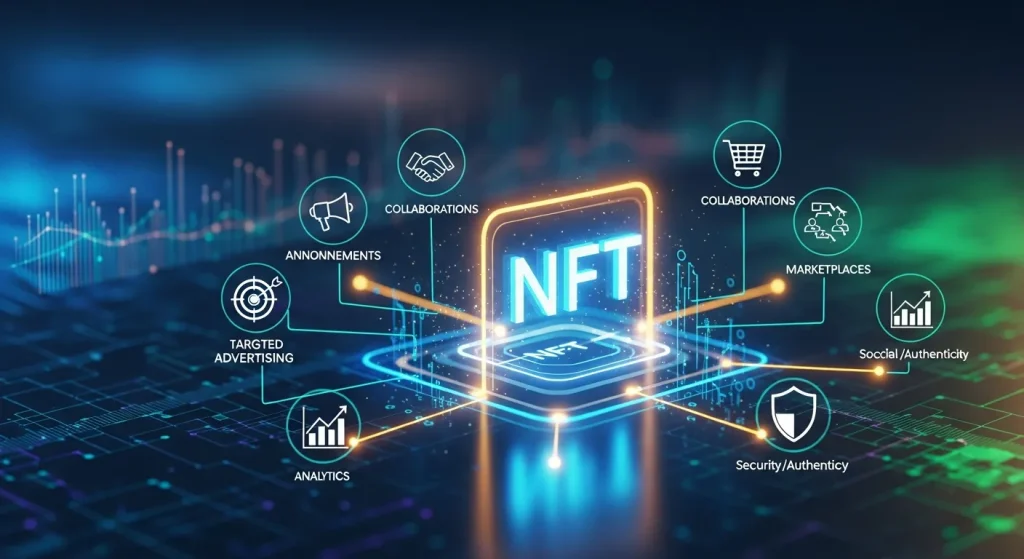
In today’s competitive digital landscape, creating an NFT is only half the battle. The real challenge lies in effectively marketing your digital assets to stand out among thousands of daily launches. At NFT Marketo, we’ve seen countless promising projects fail not because of poor artwork or concepts, but due to ineffective marketing strategies.
Build a Compelling Story

NFTs that succeed typically offer more than just digital ownership—they tell a story. Collectors want to understand the inspiration, purpose, and vision behind your creation. Your narrative should answer fundamental questions: Why does this NFT exist? What makes it unique? How does it provide value?
The story behind Beeple’s record-breaking “Everydays” collection wasn’t just about the art itself, but the dedication of creating one piece daily for 5,000 consecutive days. This narrative of consistency and evolution resonated with collectors and significantly contributed to its $69 million sale.
Cultivate a Community Before Launch
The most successful NFT projects build communities before they mint. This approach creates anticipation and establishes a base of potential buyers who understand your vision. Discord has emerged as the platform of choice for NFT communities, offering spaces for announcements, discussions, and direct engagement with creators.
When developing your community:
- Be consistently present and engaged
- Create value through education and insights
- Establish clear rules and moderate effectively
- Reward early supporters and active participants
Leverage Strategic Partnerships
Collaborations with established artists, brands, or influencers can significantly expand your reach. These partnerships should be authentic and mutually beneficial rather than purely transactional.
According toNFT market research, projects with strategic partnerships typically see 40% higher engagement rates and substantially better sales performance compared to those operating in isolation.
Establish a Multi-Channel Presence
While Discord serves as your community hub, effective NFT marketing requires presence across multiple platforms:
Twitter/X remains the primary news and networking channel for NFT enthusiasts, offering opportunities for announcements, collaborations, and direct engagement with collectors.
Instagram showcases your visual content to broader audiences, though conversion rates are typically lower than on Twitter or Discord.
Medium or Substack allows for deeper dives into your project’s philosophy, technical aspects, and roadmap.
Demonstrate Long-Term Value
Today’s NFT buyers are increasingly sophisticated and wary of short-term projects. To build credibility, clearly communicate your project’s long-term vision and utility. Whether through access to exclusive content, governance rights, physical merchandise, or evolving digital experiences, your marketing should emphasize concrete benefits beyond speculation.
Consider Strategic Rarity and Pricing
Your pricing strategy directly impacts both initial sales and secondary market performance. Pricing too high may limit your collector base, while pricing too low might signal low value. Research comparable projects in your niche to establish a competitive price point.
Similarly, thoughtful rarity distribution creates natural marketing opportunities. When collectors discover rare traits in their NFTs, they often share this excitement publicly, creating organic promotion for your collection.
Prioritize Transparency and Trust
In an industry plagued by scams and abandoned projects, transparency differentiates legitimate creators. Regularly share development updates, be forthcoming about challenges, and deliver on promises consistently.
The team at NFT Marketo has found that projects maintaining high transparency typically retain community engagement even during market downturns.
Track and Optimize Your Marketing Efforts
NFT marketing requires constant refinement based on performance data. Track key metrics like:
- Social media engagement and growth
- Website traffic and conversions
- Mint progress and secondary sales
- Community growth and activity levels
Use these insights to double down on effective channels and adjust underperforming strategies.
Develop a Clear NFT Roadmap
A detailed roadmap builds investor confidence and demonstrates long-term commitment. Outline upcoming phases such as mint dates, staking launches, partnerships, merchandise releases, or metaverse integration. Transparency about timelines reduces uncertainty and discourages speculation-driven hype cycles. Successful NFT marketing communicates not just current offerings but future development plans. Roadmaps should be realistic and achievable to maintain credibility. Regular updates show accountability and keep communities engaged. Collectors are more likely to invest in projects with structured long-term planning. A roadmap transforms your NFT collection from a short-term drop into a sustainable ecosystem with growth potential and ongoing value.
Influencer Marketing in the NFT Space
Influencer marketing plays a critical role in NFT promotion. Collaborating with trusted NFT influencers on Twitter, YouTube, or Discord AMAs can rapidly increase visibility. However, authenticity matters more than follower count. Influencers who genuinely understand your project and engage their audience meaningfully drive stronger conversions. Sponsored posts, whitelist giveaways, and live discussions generate buzz before mint day. Carefully select influencers aligned with your niche and values. Data shows projects leveraging credible influencers often experience higher mint-out rates. Strategic influencer partnerships should focus on long-term relationships rather than one-time promotions to build sustained trust and recognition within the NFT community.
Pre-Mint Whitelist Campaign Strategy
Whitelist campaigns are powerful tools in NFT marketing. Offering early mint access to engaged supporters creates exclusivity and urgency. To qualify, participants may complete tasks such as joining Discord, sharing posts, inviting friends, or engaging in community discussions. This gamified approach increases organic reach while rewarding active members. A well-structured whitelist strategy filters genuine supporters from short-term speculators. It also generates excitement before launch, ensuring strong initial mint momentum. Clear rules and transparent allocation processes are essential to maintain trust. Effective whitelist management strengthens loyalty and lays the foundation for healthy secondary market activity.
Content Marketing for NFT Projects
Educational and value-driven content strengthens credibility. Blog posts, Twitter threads, explainer videos, and behind-the-scenes updates help potential buyers understand your NFT’s purpose. Content marketing reduces confusion around technical aspects like minting processes, utility, or tokenomics. It also improves SEO visibility and attracts organic traffic beyond social media. Consistent storytelling across platforms builds anticipation and reinforces your narrative. Projects that educate their audience tend to experience stronger long-term engagement. Content marketing positions your NFT project as transparent and knowledgeable, which is especially important in an industry where skepticism remains high.
NFT Email Marketing and Direct Outreach
While social platforms dominate NFT marketing, email marketing remains underutilized yet powerful. Building an email list before launch ensures direct communication independent of algorithm changes. Newsletters can provide mint reminders, roadmap updates, and exclusive announcements. Personalized messaging increases trust and conversion rates. Email campaigns also support re-engagement strategies for inactive users. Direct outreach to collectors, Web3 investors, and community leaders can further expand exposure. Combining social media engagement with structured email marketing creates a balanced promotional ecosystem. Diversifying communication channels protects your NFT project from relying solely on volatile social algorithms.
Data-Driven NFT Marketing Analytics
Successful NFT marketing relies on performance analysis. Track Discord growth, Twitter engagement rates, website clicks, mint conversion percentages, and secondary market volume. Identifying trends helps optimize messaging and timing. For example, analyzing peak engagement hours improves announcement effectiveness. Monitoring secondary sales reveals collector confidence levels. Data-driven decisions reduce guesswork and increase efficiency. Tools such as blockchain analytics dashboards and social media insights platforms provide measurable performance indicators. Continuous optimization ensures marketing budgets and efforts focus on strategies delivering the highest returns.
NFT Utility-Based Marketing
Promoting utility rather than hype builds sustainable interest. Highlight benefits such as staking rewards, governance voting, merchandise access, or exclusive events. Buyers increasingly prioritize long-term functionality over speculative gains. Clear communication about how holders benefit strengthens investor confidence. Demonstrating practical use cases through live demos or beta previews can increase conversions. Utility-driven NFT marketing aligns projects with real-world applications and reduces perception of short-term speculation. Projects that successfully showcase tangible benefits often maintain stronger floor prices and community loyalty.
Cross-Community Collaborations
Partnering with other NFT communities expands visibility and credibility. Joint giveaways, shared Twitter Spaces, or collaborative NFT drops introduce your project to new audiences. Cross-community exposure fosters network effects within Web3 ecosystems. Authentic collaborations create mutual value rather than forced promotion. Projects that integrate with complementary ecosystems often grow faster and sustain engagement longer. Strategic networking within the NFT space strengthens long-term positioning and enhances brand recognition.
Post-Mint Engagement Strategy
Marketing does not end after mint. Post-mint engagement determines long-term success. Continue delivering roadmap milestones, hosting AMAs, launching updates, and rewarding holders. Active communication reassures investors and reduces panic selling. Maintaining excitement through airdrops or community events supports healthy secondary trading. NFT marketing must transition from acquisition-focused to retention-focused strategies after launch. Sustained engagement preserves project momentum and reputation.
Crisis Management and Reputation Control

Market downturns, technical issues, or negative sentiment can impact NFT projects. Preparing a crisis communication plan ensures rapid and transparent responses. Address concerns honestly and provide clear updates. Reputation management is critical in decentralized communities where trust spreads quickly. Consistent communication prevents misinformation and protects long-term brand credibility.
Conclusion
NFT marketing determines whether a project thrives or disappears in competitive markets. Beyond artwork, success depends on storytelling, community building, strategic partnerships, data-driven optimization, and long-term utility. Sustainable growth requires transparency, consistent communication, and post-mint engagement. As the NFT ecosystem matures, projects focusing on value creation rather than hype will stand out. Effective NFT marketing blends creativity, analytics, and community trust to build lasting digital brands.
FAQs
1. What is NFT marketing?
NFT marketing is the strategic promotion of NFT projects to increase visibility, community engagement, and sales. It combines storytelling, social media, partnerships, and data-driven campaigns to attract collectors and investors effectively.
2. Why is community important in NFT marketing?
Communities foster trust, loyalty, and organic demand. Engaged members share content, support mints, and provide feedback. Strong communities also help sustain floor prices and long-term project growth beyond initial hype.
3. What platforms are best for NFT promotion?
Key platforms include Discord for community, Twitter/X for announcements, Instagram for visual promotion, and Medium/Substack for detailed content. Multi-channel presence ensures maximum reach, credibility, and collector engagement across audiences.
4. How do whitelist campaigns help?
Whitelist campaigns reward early supporters with exclusive mint access, generating excitement and anticipation. They filter genuine collectors from speculators, encourage engagement, and build a loyal base ready for active participation post-launch.
5. Is influencer marketing effective for NFTs?
Yes, credible influencers can increase project visibility, attract collectors, and validate authenticity. Partnerships with aligned influencers create trust, amplify marketing messages, and generate anticipation for both pre-mint and post-mint phases.
6. What is NFT utility?
NFT utility refers to practical benefits for holders, such as access to exclusive events, staking rewards, governance voting, physical merchandise, or evolving digital experiences. Utility enhances perceived value and encourages long-term retention.
7. How important is a roadmap?
A roadmap signals long-term vision, structured development, and commitment. Clear milestones reassure collectors about project sustainability, outline upcoming benefits, and encourage confidence in both primary sales and secondary market activity.
8. Should NFT projects use email marketing?
Yes, email marketing ensures reliable communication independent of social media algorithms. Newsletters deliver updates, mint reminders, and announcements directly to collectors, supporting retention and engagement throughout the project lifecycle.
9. How do partnerships boost NFT marketing?
Strategic partnerships expand reach, credibility, and access to new communities. Collaborations with other creators, brands, or NFT projects increase visibility, create cross-promotional opportunities, and enhance long-term engagement with collectors.
10. What metrics matter most?
Track engagement rates, Discord activity, Twitter/X interactions, mint conversions, and secondary market performance. Data-driven insights optimize marketing strategies, allowing teams to focus on high-performing channels and improve overall project success.
11. Is post-mint marketing necessary?
Yes, ongoing engagement retains community interest, supports secondary sales, and maintains credibility. Regular updates, events, and roadmap deliveries ensure holders stay invested and attract new collectors to the ecosystem.
12. How does transparency impact NFT success?
Transparency builds trust, reduces skepticism, and fosters loyalty. Sharing development updates, challenges, and roadmap progress consistently reassures collectors, differentiates projects from scams, and strengthens long-term community confidence.