Emerging NFT Virtual Influencer Marketing Brand Strategies
NFT Virtual Influencer Marketing uses AI-driven or CGI-based influencers to promote NFT projects through storytelling, social engagement, and immersive campaigns. It boosts brand visibility, builds community trust, and enhances conversions by blending creativity, personalization, and data-driven digital promotion strategies.
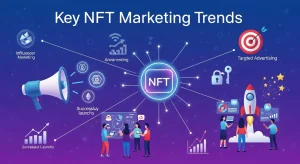
The NFT space has evolved at breakneck speed since its inception, and as we enter 2025, marketers must stay agile and innovative to cut through the noise. In this comprehensive guide, we explore the top NFT marketing trends shaping the industry and share proven tactics to elevate your digital asset collection. From community-driven strategies to advanced analytics, you’ll learn how to future-proof your NFT promotion efforts and achieve lasting growth.
The Changing Landscape of NFT Marketing

Today’s NFT market is more competitive than ever before. Thousands of new collections launch weekly, and collectors have limited attention spans and budgets. To succeed, marketers must adapt to shifting consumer behaviors, emerging blockchain technologies, and evolving social platforms. In 2025, the focus moves from simple drop announcements to immersive experiences, personalized outreach, and data-driven decision making. Let’s break down the core trends driving this transformation.
Trend #1: Community-Driven Growth
Community remains the backbone of NFT marketing. When collectors feel ownership, belonging, and direct influence over a project’s direction, they become long-term advocates. In 2025, leading projects will experiment with decentralized governance models and on-chain voting to empower holders. Expect to see exclusive member tiers, gated events powered by NFT badges, and collaborative art initiatives where the community helps shape future drops. Cultivating an authentic, engaged audience on platforms like Discord, Telegram, and even decentralized social apps is essential for organic growth and retention.
Trend #2: Influencer and Creator Partnerships
Influencer marketing remains a powerful lever, but the landscape has matured. Rather than one-off paid shoutouts, the best NFT campaigns forge long-term alliances with creators who believe in the project’s vision. Co-creation—with influencers contributing artwork, utility, or branded experiences—fuels authentic narratives that resonate with niche communities. Micro-influencers in the crypto, gaming, and art sectors often deliver higher engagement rates and more qualified leads than broad-reach celebrities. As you plan partnerships, focus on collaborative roadmaps, revenue-sharing models, and transparent campaign metrics to maximize ROI.
Trend #3: Immersive Experiences with AR and VR
Augmented reality (AR) and virtual reality (VR) are breaking the fourth wall between digital collectibles and real-world interactions. In 2025, expect NFT campaigns that integrate AR filters for social media, virtual showrooms for galleries, and metaverse launch events where collectors can explore, trade, and socialize. Brands that bridge physical and digital realms—through limited edition real-world merchandise tied to NFT ownership or AR treasure hunts—generate buzz, foster deeper connections, and reward early adopters. Investing in immersive experiences differentiates your project in an increasingly crowded environment.
Trend #4: Cross-Chain Promotion and Interoperability
Blockchain fragmentation presents both challenges and opportunities. While Ethereum remains dominant, alternative chains like Solana, Polygon, and Flow attract diverse audiences with lower fees and unique ecosystems. Savvy marketers in 2025 will embrace cross-chain strategies, issuing bridges that let holders migrate assets seamlessly, launching limited drops on multiple networks, and partnering with cross-chain marketplaces. Interoperability not only expands your reach but also demonstrates technical competence and commitment to community flexibility. Research gas-efficient minting options, partner with cross-chain infrastructure providers, and communicate seamless user experiences clearly in your campaigns.
Trend #5: Data-Driven Strategies and Analytics
Gone are the days of gut-feel marketing. On-chain analytics, social sentiment tracking, and real-time dashboarding are table stakes. Platforms like Dune Analytics, Nansen, and custom APIs help you monitor metrics such as secondary sales velocity, holder distribution, whale activity, and social engagement. By tapping into data insights, you can segment your audience, optimize drop timing, refine pricing strategies, and forecast trending collections before they spike. Integrate analytics into every step of your marketing funnel, from awareness to post-mint follow-up, to make agile, evidence-based decisions.
Implementing Proven Marketing Tactics
Beyond macro trends, let’s dive into actionable tactics that drive immediate results for your NFT project. Whether you’re launching a new collection or revitalizing an existing one, these strategies will help you attract collectors, boost engagement, and foster loyalty.
Leverage Organic Social Media with High-Value Content
Develop a content calendar focused on storytelling, artwork reveals, behind-the-scenes creation, and collector testimonials. Use short-form video on TikTok and Instagram Reels to showcase the artistic process, and host weekly Twitter Spaces or live AMAs to answer community questions. Educational threads on X (formerly Twitter) about blockchain mechanics, utility features, and roadmap updates position you as an authority. Consistency, authenticity, and visually striking posts will organically grow your follower base and establish trust before any sale.
Host Virtual and Real-World Events
Blend digital and physical touchpoints with virtual gallery openings, scavenger hunts in the metaverse, and pop-up art shows in major cities. Offer NFT holders VIP access to event tickets, merchandise drops, and limited edition prints. Interactive experiences, such as live mint parties with DJ performances or collaborative painting sessions, create memorable moments that collectors share across social channels. Event marketing amplifies community excitement and reinforces the narrative behind your collection.
Optimize Your Collection for Discoverability
SEO isn’t just for websites—optimize your NFT metadata, collection description, and smart contract attributes to improve visibility on marketplaces and search engines. Use relevant keywords in titles, tags, and profiles, and ensure your artwork files are properly named. Collaborate with marketplace curators for featured spots, and apply for editorial reviews on platforms like OpenSea, Magic Eden, and Blur. A discoverable collection attracts casual browsers and serious investors alike.
Utilize Email and SMS for Direct Engagement
Build an email list from day one, incentivizing sign-ups with whitelist spots or early-bird pricing. Segment subscribers based on engagement level—collectors, lurkers, and prospects—and tailor drip campaigns accordingly. SMS alerts for drop reminders and exclusive access drives high open rates, especially when paired with personalized messaging. Integrate newsletters showcasing partner integrations, staking rewards, or upcoming roadmap milestones to keep your audience informed and invested.
Invest in Paid Advertising with Precision Targeting
Paid campaigns on Twitter, Discord ad providers, or Web3-focused networks can amplify your reach. Use lookalike audiences based on your existing collector database, retarget users who visited your site or engaged with your tweets, and experiment with display ads on leading NFT aggregator sites. Monitor cost per acquisition (CPA) closely, and iterate creatives to improve click-through rates. Allocate budgets to high-performing channels and pause underperforming ads in real time.
Case Studies: Successful NFT Campaigns
Seeing trends in action helps bring them to life. Here are two hypothetical case studies showcasing how projects innovate their marketing :
- SolarVisions Collective: A generative art series that leveraged cross-chain interoperability by launching identical drops on Ethereum and Polygon, using a bridge contract for seamless swaps. They hosted a dual-chain metaverse party in Decentraland, attracting 5,000 attendees and achieving 80% sell-out within 24 hours.
- Mythic Legends Saga: A narrative-driven card collection that partnered with fantasy gaming influencers for co-created artwork and live unboxings. By integrating AR filters that turned real trading cards into digital unlockables, they saw a 150% increase in secondary market volume and built a 10,000-member Discord guild within weeks.
Measuring and Scaling Your Efforts
To ensure long-term success, establish key performance indicators (KPIs) aligned with your goals: community growth rate, mint conversion rate, secondary market floor price, average sale value, and social sentiment score. Use dashboards that combine on-chain data with social analytics to track progress. When a tactic delivers strong ROI such as a particular influencer partnership or paid channel—scale it by increasing budget or expanding to similar segments. Continuously A/B test creatives, messaging, and timing to refine your strategy and optimize spend.
Conclusion
NFT marketing demands a blend of creativity, community focus, and data-driven precision. By embracing immersive experiences, forging genuine partnerships, and leveraging cross-chain opportunities, your project can stand out in a saturated market. Remember, the most successful campaigns aren’t one-off blasts but ongoing narratives that prioritize collector value, transparency, and innovation. With the trends and tactics outlined in this guide, you’re equipped to launch, promote, and scale your NFT collection with confidence.
Ready to apply these insights? Start by auditing your current strategy against these trends and prioritize one high-impact tactic to implement this week. Then, measure results, iterate, and expand. Here’s to NFT marketing success!
FAQs on NFT Virtual Influencer Marketing
1. What is NFT Virtual Influencer Marketing?
NFT Virtual Influencer Marketing is the use of AI-generated or CGI virtual influencers to promote NFT projects. These influencers act like digital personalities on platforms such as X, Instagram, and Discord, engaging audiences, sharing NFT stories, and driving awareness for collections.
2. How do virtual influencers help NFT projects?
They help NFT projects by creating consistent, engaging content without human limitations. Virtual influencers can post 24/7, maintain brand tone, and scale storytelling across communities. This increases visibility, attracts collectors, and builds stronger emotional connections with audiences.
3. Why are virtual influencers popular in NFT marketing?
They are popular because they combine creativity with automation. NFT brands can fully control messaging, design unique personalities, and avoid risks tied to human influencers. This makes campaigns more predictable, scalable, and aligned with digital-native audiences.
4. Are virtual influencers better than real influencers for NFTs?
Not necessarily better, but different. Virtual influencers offer consistency, scalability, and futuristic branding. Real influencers bring trust, personality, and established audiences. Many successful NFT campaigns use a hybrid approach combining both for maximum impact.
5. What platforms are used for NFT virtual influencer campaigns?
Common platforms include X (Twitter), Instagram, TikTok, Discord, and metaverse environments like Decentraland or Sandbox. These platforms allow influencers to engage communities, host events, and promote NFT drops interactively.
6. How are virtual influencers created?
They are created using AI tools, 3D modeling, animation software, and sometimes generative AI systems. Developers design their appearance, personality, voice, and behavior patterns, making them capable of interacting like real digital characters.
7. What role does AI play in NFT virtual influencer marketing?
AI powers content generation, audience targeting, analytics, and personalization. It helps virtual influencers adapt messaging based on user behavior, wallet activity, and engagement trends, making campaigns more efficient and data-driven.
8. Can virtual influencers build real NFT communities?
Yes. They can engage users through storytelling, gamified content, and consistent interaction. When paired with Discord communities and interactive campaigns, they help build loyal NFT holder bases and maintain long-term engagement.
9. What are the risks of using virtual influencers in NFTs?
Risks include lack of emotional authenticity, high development costs, and potential audience skepticism. If not executed well, campaigns may feel artificial. Transparency and strong storytelling are essential to overcome these challenges.
10. What is the future of NFT Virtual Influencer Marketing?
The future includes more AI-human hybrid influencers, deeper metaverse integration, real-time adaptive storytelling, and personalized NFT promotions. As AI evolves, virtual influencers will become central to immersive Web3 brand experiences.