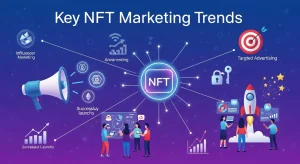
Top Websites and Social Networks for NFT Promotion

The most effective Websites and Social Networks strategy for NFT promotion is not about posting everywhere. It is about choosing the right mix of channels that help people discover, trust, and act. Marketplaces help with visibility, social platforms help with conversation, websites help with clarity, and community spaces help with loyalty.
Creators who focus on story, consistency, and community usually perform better than those who rely only on hype. NFT audiences pay attention to proof. They notice clarity. They respond to authenticity. That is why a well-structured campaign often performs better than a noisy one.
NFT projects rarely fail because of weak art alone. Most of the time, they struggle because the right audience never sees them, never understands them, and never gets a reason to care. That is why choosing the right Websites and Social Networks is not just a distribution decision. It is a trust-building decision, a visibility decision, and often the difference between a quiet mint and a sold-out launch.
In the NFT world, buyers do not move in a straight line. They discover a project on one platform, validate it on another, join the community somewhere else, and finally decide to buy after seeing consistent signals across several touchpoints. That is why a strong marketing plan must combine discovery, storytelling, community engagement, and conversion. The best creators do not depend on a single channel. They build a system.
This guide explains how to use Websites and Social Networks to promote NFT projects in a way that feels natural to humans, not just algorithms. It is written for creators, founders, marketers, and beginners who want a practical path, not hype. You will learn where attention lives, how trust is formed, and how to create momentum without sounding spammy.
Why NFT promotion needs more than one channel
NFT buyers are cautious. They want proof, clarity, social validation, and a sense of momentum before they act. A project may have strong visuals, but without a reliable promotion plan, it can still struggle to attract buyers. That is why a good NFT marketing approach blends educational content, community interaction, and repeated exposure.
Many new creators ask what are the best platforms for NFT promotion, but the better question is which combination of channels helps people discover, understand, and trust the project. One platform may introduce the collection. Another may show the social proof. Another may host the discussion that converts interest into action.
This is especially important because buyers often compare multiple collections at once. They are looking for rarity, utility, creator credibility, roadmap clarity, and community strength. If your marketing only appears in one place, it feels incomplete. If it appears consistently across several places, it feels real.
The strongest NFT launches use a mix of owned channels, community channels, and marketplace visibility. That balance helps with discovery and helps reduce dependence on one algorithm or one audience segment.
The core categories of NFT promotion channels
Before choosing specific platforms, it helps to understand the different roles channels play in an NFT campaign.
1. Discovery channels
These are places where new people first hear about the project. Social feeds, search engines, forums, short-form video, and creator communities all fit here. They are essential for reach.
2. Validation channels
These are where people check whether the project looks legitimate. Website pages, marketplace listings, X threads, Discord activity, and community discussions often serve this purpose.
3. Conversion channels
These are where interest turns into action. Mint pages, marketplace pages, landing pages, email capture pages, and private community announcements usually live here.
4. Retention channels
These keep the audience involved after the first interaction. Discord, Telegram, newsletters, creator updates, and ongoing social content are crucial for long-term loyalty.
A successful NFT plan uses all four. That is why the most effective creators think in ecosystems, not isolated posts.
Best websites to promote NFTs
When people search for best websites to promote NFTs, they usually want places that already have NFT-curious audiences or communities that welcome Web3 projects. The right websites do not only bring traffic. They attract traffic that is likely to care.
A strong NFT website strategy usually includes these types of platforms:
NFT marketplaces
Marketplaces are where many buyers begin their journey because they already expect to see collectibles, profiles, prices, and drop information. A marketplace profile can act as your public storefront. It gives people a fast way to review the collection and compare it with others.
NFT launch and announcement sites
These sites are useful for visibility before the mint or during a major drop. They often help with awareness among collectors who actively follow upcoming launches.
Crypto and Web3 media websites
Articles, interviews, and feature placements can help build legitimacy. A thoughtful write-up about the project story often performs better than a pure sales post because it answers the buyer’s emotional question: why does this matter?
Community and discussion websites
Forums, niche communities, and creator-led spaces can generate trust more effectively than advertising alone. People may not buy immediately, but they remember the name.
Personal project website
This is the most important website of all. A professional landing page gives your NFT collection a stable home. It should explain the concept, the benefits, the team, the roadmap, the mint details, and the next step in a clear way.
A project website works best when it reduces confusion. If visitors leave with more questions than answers, they will not convert. If they leave with clarity and confidence, they are much closer to taking action.
How to promote an NFT project online

If you are asking how to promote an NFT project online, the answer is to combine education, repetition, and social proof. NFT audiences do not respond well to pressure, but they do respond to clarity.
Start with a simple message. What is the project? Who is it for? Why should anyone care? Then build content around those answers. A strong project launch often includes teasers, behind-the-scenes posts, creator stories, sneak peeks, collabs, countdowns, and community-driven updates.
Promotion should never feel like a one-day event. It should feel like a narrative. People need time to understand what they are seeing. The more coherent the message, the stronger the response.
A useful method is the three-layer approach:
First, publish discovery content that introduces the project.
Then, publish validation content that explains the team, utility, art, or roadmap.
Finally, publish action content that guides people toward minting, joining, or sharing.
This method works because it mirrors how buyers think. They notice, then evaluate, then act.
Best social media platforms for NFT marketing
The best social media platforms for NFT marketing depend on your audience, your content style, and your launch stage. Some platforms work better for conversation, while others are better for visuals or short-form discovery.
X
X is still one of the strongest places for NFT conversation, founder updates, and collector networking. It works well for thread-based storytelling, launch announcements, and community engagement.
Instagram is useful when your project is visually rich. Carousel posts, reels, story updates, and behind-the-scenes content can help make the project feel more polished and aspirational.
TikTok
TikTok is powerful for reach, especially when the content feels human and simple. Short videos that explain the idea, the art, the utility, or the creator story can spread quickly when executed well.
YouTube
YouTube works well for deeper explanation. It is ideal for project walkthroughs, interviews, explainers, and ecosystem education. Buyers often trust long-form video because it feels more personal and more detailed.
Reddit is useful for niche communities and discussion-driven visibility. It is not the place for shallow hype, but it can be valuable when the conversation is real and the audience is aligned.
Discord and Telegram
These are community spaces more than public social feeds, but they are essential for NFT projects. They help people feel like insiders, which is important in Web3 culture.
For creator brands, partnerships, and business-focused NFT projects, LinkedIn can help position the team as serious and professional.
A balanced NFT marketing plan often uses more than one of these. That way, the project does not rely on a single platform’s algorithm or a single audience mood.
How NFT creators attract buyers
When people ask how NFT creators attract buyers, the real answer is trust, identity, and relevance. Buyers do not only want art. They want belief in the project’s future.
Creators attract buyers by making the project easy to understand and emotionally easy to support. This usually means sharing the origin story, the creative mission, the community value, and the collector experience.
Trust grows when the audience sees consistency. If the project posts regularly, answers questions clearly, and shows progress over time, it feels more credible. If the creator disappears for long stretches and only returns to post a mint link, it feels risky.
To attract buyers, focus on four things:
- Make the concept clear
- Make the team visible
- Make the community active
- Make the value proposition easy to repeat
When those four pieces work together, the project becomes easier to recommend, easier to remember, and easier to buy.
Where to advertise NFT collections
If you are wondering where to advertise NFT collections, start with the places where your target collector already spends time. Advertising works best when it feels like an extension of the audience’s normal browsing behavior, not an interruption.
You can advertise through creator partnerships, community shoutouts, niche newsletters, Web3 influencer mentions, sponsored posts, and platform-specific promotional placements. The best choice depends on your budget and your goals.
For example, if your goal is early awareness, broader social visibility may help. If your goal is conversion, a highly targeted audience in a collector-focused space may work better. If your goal is trust, a feature article or a long-form interview may outperform a banner ad.
The key is alignment. The more your ad matches the audience’s current mindset, the better it performs.
NFT promotion strategies for beginners
If you are looking for NFT promotion strategies for beginners, keep the plan simple. Beginners often make the mistake of trying to be everywhere at once. That usually leads to weak execution.
Start with one project website, one primary social platform, one community space, and one marketplace presence. Then build a content rhythm that you can actually maintain.
A beginner-friendly promotional stack may look like this:
- A clear landing page
- Regular social posts
- A Discord or Telegram community
- A mint page or marketplace profile
- Weekly updates that show progress
What matters most is consistency. A small campaign that stays active for six weeks often beats a larger campaign that disappears after three days.
Beginners should also focus on learning from responses. Which posts generate questions? Which visuals get saved? Which stories earn replies? That feedback helps shape the next round of content.
How to build an NFT community
Community is one of the strongest assets in Web3. Knowing how to build an NFT community can change the outcome of a launch because people often buy into the movement, not just the collectible.
A community should not feel like a waiting room. It should feel like a living space where people are involved, informed, and appreciated.
To build a meaningful community:
- Share updates regularly
- Give members reasons to participate
- Highlight collectors and contributors
- Ask questions, not just announce news
- Reward early supporters with recognition or access
People stay when they feel seen. They participate when they feel their voice matters. They invite others when they feel proud of the group they joined.
A strong community is not built by size alone. It is built by energy, responsiveness, and shared purpose.
NFT marketing tips for creators
The best NFT marketing tips for creators are usually simple, but they require discipline.
Start with a message that a stranger can understand in one sentence. If your project needs a long explanation before it makes sense, your marketing will become harder than it needs to be.
Use social proof early. Testimonials, collector reactions, behind-the-scenes clips, and team visibility help the audience feel safe.
Keep visuals consistent. The same aesthetic, tone, and identity repeated across platforms makes the project easier to recognize.
Avoid overpromising. NFT audiences are sensitive to exaggeration, and trust can disappear quickly when claims are too big and too vague.
Finally, focus on repetition without fatigue. People need to see a project more than once before they act, but they do not want to feel manipulated. The sweet spot is steady visibility with real substance.
How to increase NFT visibility
When thinking about how to increase NFT visibility, combine organic distribution with structured exposure. Visibility is not just about being loud. It is about being seen in the right context by the right audience.
There are several ways to improve visibility:
- Publish consistently
- Collaborate with other creators
- Join relevant spaces and discussions
- Use keywords in your project pages and posts
- Repurpose content across channels
- Encourage community sharing
Search visibility matters too. A project with a clear title, descriptive copy, and a strong landing page can perform better over time because people can find it again later.
Visibility is cumulative. Each small appearance adds up. A project that shows up often becomes familiar, and familiarity increases confidence.
Free platforms for NFT promotion
Not every creator begins with a large budget. That is why free platforms for NFT promotion matter so much. They allow teams to build awareness before spending heavily.
Free promotion options include organic posting, community participation, creator collaborations, forum engagement, newsletter swaps, and profile optimization. They can be highly effective when used consistently.
The biggest advantage of free platforms is flexibility. You can test messages, visuals, and content styles without risking a large budget. That makes them ideal for learning.
The biggest challenge is time. Free promotion usually requires more effort and more patience. Still, many NFT projects get their first traction through unpaid channels before moving into paid campaigns.
Paid NFT advertising platforms
Paid media can accelerate growth, especially when the project already has a strong story. Paid NFT advertising platforms are most useful when you need to reach a larger audience quickly or reinforce an upcoming launch.
Paid promotion can include social ads, sponsored newsletters, influencer partnerships, native placements, and niche crypto promotions. The best results usually come when the creative is specific and the audience is targeted.
Do not use paid ads to replace strategy. Use them to amplify a message that already works. If the project page is confusing or the offer is weak, paid traffic will not fix it.
Paid promotion works best when paired with strong organic content. That way, people who see the ad can later find the same project across other channels, which strengthens memory and trust.
NFT marketplace marketing guide
A practical NFT marketplace marketing guide starts with the profile itself. Your marketplace presence should not be treated like a technical listing. It should function like a public brand page.
Make sure the collection description is clear, the visuals are aligned, the links are correct, and the messaging is consistent with the rest of your brand. Marketplaces often become the final proof point before a buyer decides.
After the profile is ready, drive traffic to it with posts, announcements, collaborations, and community reminders. The marketplace page should not be discovered accidentally. It should be part of the campaign.
Remember that some buyers browse marketplaces for inspiration before they ever buy. A polished profile can help them imagine your collection as a serious option.
How to market NFT collections successfully
Learning how to market NFT collections successfully means understanding that NFT marketing is part education, part storytelling, and part community architecture.
Successful collections usually share a few qualities:
- The purpose is easy to understand
- The content feels authentic
- The community is active
- The launch plan is organized
- The brand voice is consistent
Marketing succeeds when every touchpoint supports the same core idea. Your website should match your social content. Your community should match your brand promise. Your marketplace page should match your launch message.
When all of those elements align, the collection feels cohesive. Cohesion creates confidence. Confidence creates action.
NFT promotion best practices
There are a few NFT promotion best practices that nearly always help.
First, lead with clarity. People should know what the project is without guessing.
Second, use multiple content formats. A mix of images, videos, threads, live updates, and community prompts reaches different types of people.
Third, stay human. The NFT space can be full of jargon, but plain language usually performs better because it invites more people in.
Fourth, build around the launch timeline. Promotion should start before mint day, intensify near the mint, and continue after launch so the project does not disappear.
Finally, measure what matters. Track engagement, click-throughs, joins, questions, and conversion behaviour. That information helps you improve the next round.
How to get more NFT sales
If the goal is to get more NFT sales, the answer is rarely a single magical trick. Sales usually improve when visibility, trust, and urgency all move in the same direction.
A buyer is more likely to purchase when they understand the value, see others paying attention, and feel that the opportunity has a clear next step. That is why stronger messaging, better community proof, and better timing all matter.
One of the simplest ways to improve sales is to reduce friction. Make the mint process easy. Make the benefit obvious. Make the collection page easy to navigate. Make the call to action visible.
Another important factor is emotional relevance. People buy when they feel the project fits their identity, taste, or values. Great marketing helps them see themselves in the collection.
NFT community growth strategies
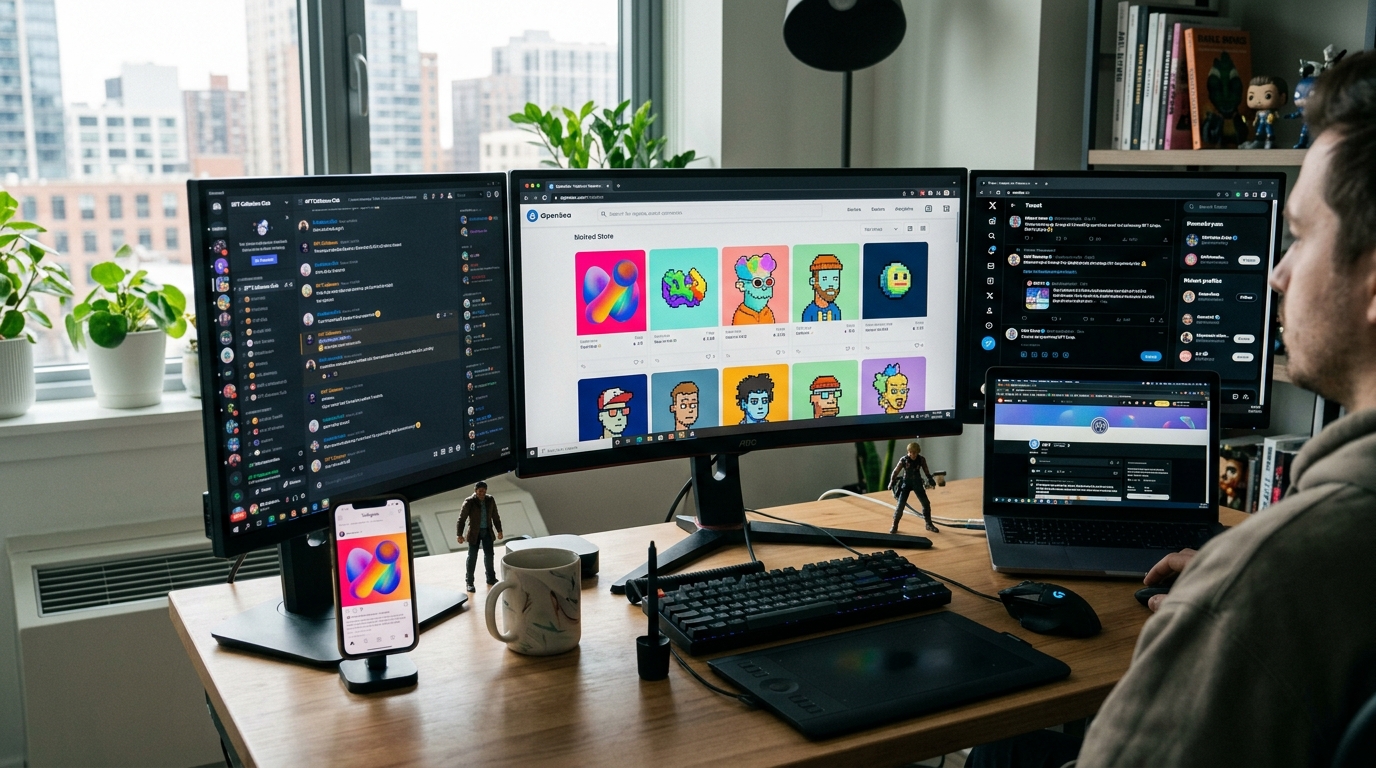
NFT community growth strategies should focus on participation, not just numbers. A large group with no activity is less valuable than a smaller group that talks, shares, and supports the project.
Good growth strategies include invite-driven events, collaborations, content challenges, live sessions, supporter recognition, and milestone celebrations. These activities create reasons to stay engaged.
Growth also becomes easier when people feel ownership. When members can contribute ideas, reactions, or content, they are more likely to bring in others.
Community growth is not a one-time campaign. It is a habit. The more predictable and rewarding the community experience becomes, the more it compounds.
Web3 marketing channels for NFT projects
The strongest Web3 marketing channels for NFT projects usually include social platforms, creator communities, Web3-native forums, newsletters, podcasts, and marketplace ecosystems.
Each channel serves a different purpose. Social channels generate attention. Community channels build loyalty. Long-form channels build trust. Marketplace channels support conversion.
The best campaigns connect these channels instead of treating them separately. A teaser on social media can lead to a website. The website can point to the community. The community can drive visitors back to the marketplace. That loop is powerful because it reinforces interest from multiple angles.
NFT launch promotion checklist
A simple NFT launch promotion checklist can help keep the campaign organized:
Before the launch
- Finalize the project website
- Prepare social visuals and copy
- Confirm marketplace setup
- Build community momentum
- Schedule announcement posts
During the launch
- Share the mint link clearly
- Post live updates
- Answer questions quickly
- Encourage community sharing
- Monitor engagement and friction points
After the launch
- Thank supporters
- Share results transparently
- Continue posting project updates
- Keep the community active
- Plan the next milestone
A checklist matters because launches move quickly. When the team is prepared, the message stays consistent and the audience experiences less confusion.
Conclusion
NFT promotion works best when it respects how people actually make decisions. Buyers need time to understand the project, reasons to trust the creator, and enough visibility to remember the name. That is why the right Websites and Social Networks matter so much.
A strong NFT campaign is built on repetition, relevance, and human connection. It uses content to educate, community to validate, and platforms to distribute the message in the right places. When those parts work together, the project becomes easier to discover and easier to support.
The best path forward is to start simple, stay consistent, and improve with every launch. The projects that win are usually not the loudest. They are the clearest, the most useful, and the easiest to believe in.
FAQ
1. What are the best platforms for NFT promotion?
The best platforms depend on the goal, but most creators benefit from a mix of social media, community spaces, marketplaces, and a project website.
2. How do I promote an NFT project online?
Use a clear website, regular content, community engagement, and launch-focused messaging that builds trust before the mint.
3. How can beginners start NFT marketing?
Beginners should focus on one main social platform, one community space, and a simple content plan they can maintain consistently.
4. How do NFT creators attract buyers?
They attract buyers by making the project clear, visible, credible, and emotionally relevant to collectors.
5. How do I build an NFT community?
Create a space where people can participate, ask questions, get updates, and feel recognized for their support.
6. What are the best websites to promote NFTs?
The best websites are the ones that already attract NFT and Web3 audiences, plus your own project landing page.
7. What are the best social media platforms for NFT marketing?
X, Instagram, TikTok, YouTube, Reddit, Discord, Telegram, and LinkedIn can all work depending on the project style and audience.
8. How do I increase NFT visibility?
Post consistently, collaborate with others, optimize your page, and repurpose content across multiple channels.
9. What are the free platforms for NFT promotion?
Organic social media, forums, community spaces, and content collaborations are strong free options.
10. How do I get more NFT sales?
Improve clarity, trust, and timing. Buyers convert more easily when the project is easy to understand and easy to support.