Average NFT Sell Price & Market Insights
The average NFT sell ranges from $20–$500, influenced by scarcity, utility, and creator reputation. Strategic marketing, community engagement, and informed buying/selling decisions are essential for maximizing NFT value and market success.
The rise of NFTs (non-fungible tokens) has reshaped the way we think about ownership, value, and creativity. From digital art and music to real estate within the metaverse, NFTs have sparked interest and debate across industries. If you’ve considered entering the NFT marketplace as a creator, collector, or investor, one of your first questions is likely, “What does the average NFT sell for?”
Understanding NFT Market Dynamics
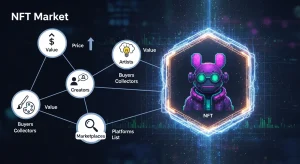
NFTs, or non-fungible tokens, are unique digital assets stored on blockchains, creating proof of ownership and value. Their market dynamics depend on scarcity, utility, creator reputation, and demand. Prices fluctuate daily, making NFTs highly speculative but engaging for collectors, investors, and creators. Active communities and marketing influence perception and desirability, while platform adoption and blockchain network choice also shape pricing. By understanding these dynamics, participants can make informed decisions, anticipate trends, and optimize their buying or selling strategies. For anyone tracking the average NFT sell, these insights are critical to understanding why some assets soar in value while others remain more affordable. Read more about NFT Market Explained.
Understanding NFT Pricing Basics
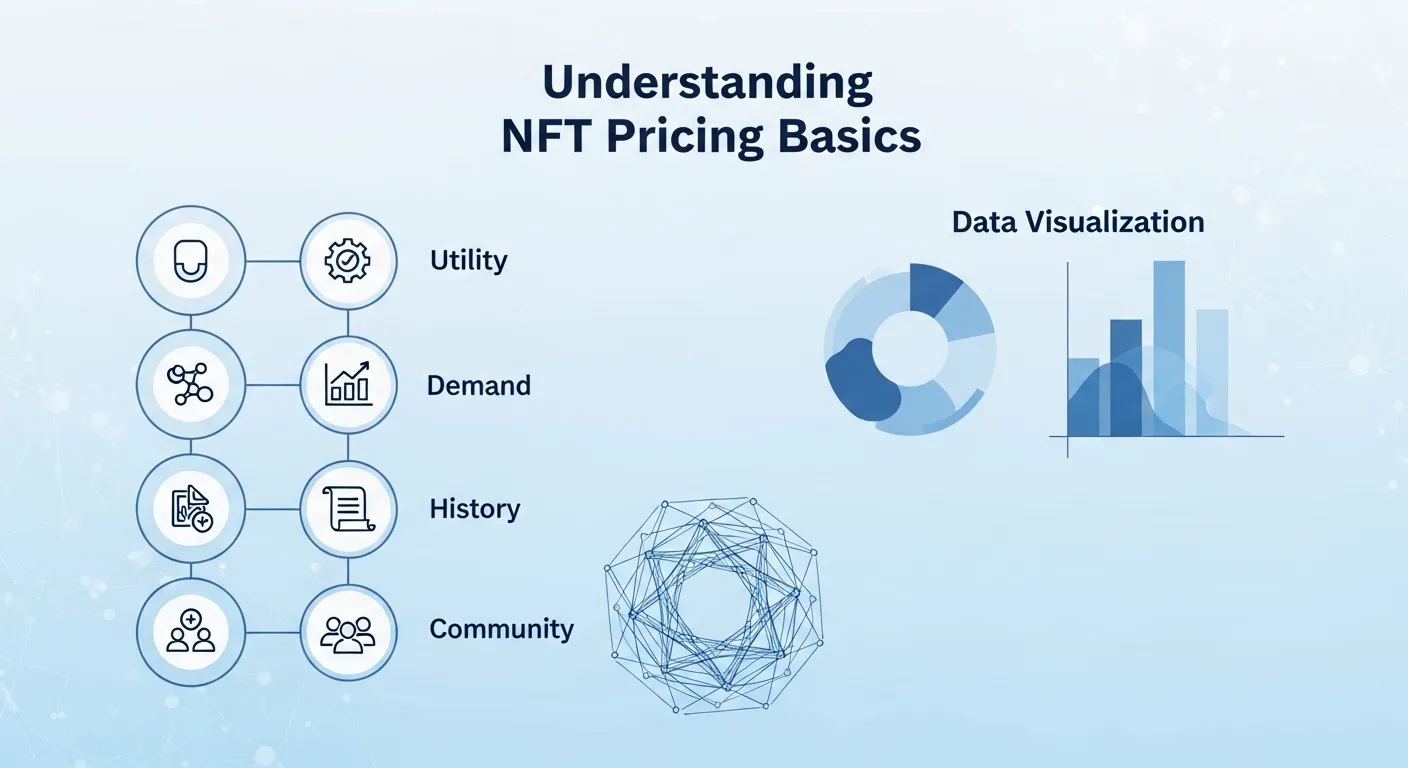
Before jumping into exact figures, it’s crucial to understand how NFT pricing works. NFTs are digital assets stored on a blockchain, and their value is largely determined by:
- Scarcity: Is the NFT part of a limited edition, or is it unique?
- Utility: Does it provide access to something of value, like an exclusive event or membership?
- Creator Reputation: Has the creator gained credibility and desirability in the NFT space?
- Market Demand: Are collectors or buyers actively competing for this kind of NFT?
NFT values aren’t static and can vary dramatically based on these factors. For instance, a common NFT collectable might sell for a few dozen dollars, while an exclusive digital artwork by a renowned creator can command prices in the millions.
The Average NFT Sale Price
Now, to answer the central question, what does the average NFT sell for? According to nonfungible.com, a reliable analytics platform for NFTs, the average price for an NFT in 2023 fluctuates between $20 and $500, depending on the type, category, and market dynamics.
High-Value Outliers
Some high-profile NFTs skew the perception of average prices. For example:
- Beeple’s “Everydays” NFT sold for a record-breaking $69 million in March 2021.
- CryptoPunk #5822, part of the revered CryptoPunk collection, sold for over $23 million.
While these sales dominate headlines, they represent a small percentage of the overall NFT market. Most transactions occur far below these jaw-dropping figures.
Mid-Tier NFT Markets
The mid-tier range consists of NFTs priced between $500 and $5,000. Items in this range often include popular collectibles from collections such as:
- Bored Ape Yacht Club (BAYC): These iconic NFT-profile picture projects often fall into the mid-to-upper tier.
- NBA Top Shot Moments: Sports-related NFTs have gained traction, selling for hundreds to thousands depending on rarity.
These NFTs appeal to buyers who are serious about collecting but not willing to invest millions.
Affordable NFTs and Mass Adoption
Affordable NFTs priced under $100 are growing in number and popularity. These are often found in emerging categories like:
- Gaming NFTs: Digital assets like skins, weapons, or characters for blockchain-based games, such as Axie Infinity, often sell in accessible price ranges.
- Music NFTs: Some artists sell NFTs of songs for affordable prices to build community engagement.
Lower prices have been critical in making NFTs more accessible to the general public.
What Factors Impact NFT Prices?
The massive variance in NFT prices is not arbitrary. Several key factors influence how much an NFT sells for:
1. Creator Popularity
NFTs created by well-known digital artists, celebrities, or influencers often command a high premium. Buyers place value not just on the NFT itself but on its association with a recognized or influential name.
2. Rarity and Scarcity
NFTs with limited availability tend to draw higher bids. Collections often employ strategies like releasing only 10,000 unique pieces to drive demand.
3. Utility
NFTs with practical applications, such as access to exclusive events, in-game assets, or real-world benefits, provide extra value and justify higher prices.
4. Blockchain Network
The blockchain hosting the NFT affects its transaction costs, speed, and appeal due to differences in user bases. Ethereum-based NFTs tend to dominate the space, but alternatives like Solana and Polygon are growing in prominence.
5. Current Market Trends
Market sentiment plays a significant role. A bullish NFT market drives higher demand and prices, while bearish markets can lead to a decline in sale values.
6. Presentation and Marketing
How an NFT is marketed also impacts its price. High-quality promotion campaigns, creative drop events, and strong community engagement can significantly influence buyer enthusiasm.
How NFT Pricing Works

NFT pricing depends on scarcity, utility, creator reputation, and market sentiment. Scarcity drives demand, utility adds functional value, and well-known creators often command premiums. Market trends, hype, and promotion further affect the average NFT sell. Unlike traditional assets, NFT prices are highly speculative, with collectors valuing both the asset and its cultural significance. Buyers must analyze demand, rarity, and potential resale value, while sellers can optimize pricing through strategic marketing, limited editions, and community engagement. Understanding these factors is key to predicting and influencing the average NFT sell price and maximizing returns in a dynamic market.
Average NFT Sell Price
In 2026, the average NFT sell price ranges between $20 and $500, varying by type, rarity, and utility. Most transactions occur at accessible price points, though mid-tier NFTs sell between $500–$5,000. High-value outliers, such as Beeple’s works or CryptoPunks, surpass millions, representing rare opportunities. Affordable NFTs under $100 are essential for mass adoption, allowing casual collectors to enter the space. Knowing these price ranges helps buyers set realistic expectations, and guides creators in launching new NFTs at competitive yet attractive prices, ensuring liquidity and consistent engagement in the marketplace.
High-Value NFT Outliers
Certain NFTs achieve record-breaking prices due to creator fame or cultural relevance. Beeple’s “Everydays” sold for $69M, and CryptoPunk #5822 fetched over $23M. While these sales skew the perception of the average NFT sell, they highlight the potential upside for top-tier collectors and investors. High-value outliers often involve limited editions, strategic marketing, and strong community engagement. Observing these sales helps market participants understand emerging trends, price expectations, and investment potential. While not representative of most NFTs, these iconic sales establish benchmarks that influence collector behavior, market hype, and the perception of value in the NFT ecosystem.
Mid-Tier NFT Market Opportunities
Mid-tier NFTs, priced $500–$5,000, are popular among collectors seeking balance between affordability and prestige. Examples include Bored Ape Yacht Club (BAYC) collectibles, NBA Top Shot moments, and select digital art pieces. These NFTs often provide utility, like event access, gaming benefits, or membership perks. Mid-tier NFTs appeal to serious collectors and help creators gain recognition without pricing newcomers out. This segment drives mainstream adoption, offering strategic opportunities for buyers to diversify portfolios and for creators to maximize visibility while maintaining sustainable average NFT sell rates.
Affordable NFTs & Mass Adoption
NFTs priced under $100 are key for wider adoption. Gaming NFTs, micro-collectibles, and music NFTs often fall in this range, allowing casual users to join the market. Examples include in-game skins, Axie Infinity characters, and music drops. Affordable NFTs cultivate loyal communities, generate engagement, and encourage future purchases. These lower-priced tokens play a crucial role in building sustainable demand while providing entry points to exclusive perks, loyalty programs, or NFT-gated experiences. For creators, offering low-cost NFTs can amplify exposure and gradually introduce higher-value assets without overwhelming potential collectors.
Examples of NFT Categories and Price Ranges
NFTs come in various forms and cater to different types of buyers. Here’s a breakdown by category:
|
Category |
Price Range |
Examples |
|---|---|---|
|
Digital Art |
$500 to $1 million+ |
Beeple, Pak, Trevor Jones |
|
Collectibles |
$50 to $10,000 |
CryptoPunks, BAYC, World of Women |
|
Gaming Assets |
$10 to $5,000 |
Skins, Axie creatures |
|
Music NFTs |
$20 to $1,000 |
Audius, Kings of Leon album |
|
Sports Memorabilia |
$50 to $5,000 |
NBA Top Shot, Sorare |
|
Virtual Real Estate |
$1,000 to $10,000+ |
Decentraland, The Sandbox |
How to Succeed in the NFT Market
If you’re considering buying or selling NFTs, here are some tips to help you do so effectively:
For Buyers
- Do Your Research: Understand the creator, rarity, and utility of the NFT before committing to a purchase.
- Start Small: Test the waters with more affordable NFTs to gain experience in buying and transferring them securely.
- Engage with Communities: Platforms like Discord and Twitter are great for discovering upcoming projects and building relationships with creators.
For Sellers
- Build a Brand: Success for creators in the NFT world often hinges on personal branding and active community engagement.
- Leverage Social Media: Market your NFT drops across platforms to increase visibility.
- Choose the Right Platform: Popular marketplaces like OpenSea, Rarible, and Foundation give sellers exposure to the widest collector base.
Where to Start Exploring NFTs
Several platforms make it easy to explore and get involved in the NFT space:
- OpenSea: The largest marketplace for a range of NFTs, from art to collectables.
- Rarible: Known for enabling creators to mint, sell, and showcase their work.
- Foundation: A platform for artists to showcase exclusive collections.
Finding Your Place in the NFT Ecosystem
The world of NFTs is dynamic, exciting, and full of potential. Whether you’re intrigued by the possibilities as a collector or hoping to make waves as a creator, understanding the average sale price of NFTs is only the start. Knowing how value is determined can help you make informed decisions and maximize your experience in this evolving digital landscape.
Take your first step toward navigating the NFT ecosystem today. The tools, platforms, and communities are waiting for you to join the conversation.
Conclusion
NFTs redefine digital ownership, blending scarcity, creativity, and technology. Understanding the average NFT sell, market factors, and strategic marketing enables collectors and creators to maximize value, drive engagement, and succeed in a growing digital ecosystem.
NFT FAQs
What is an NFT?
A non-fungible token (NFT) is a unique blockchain-based digital asset representing ownership of digital art, collectibles, virtual real estate, music, or other digital goods that cannot be duplicated.
What is the average NFT sell?
The average NFT sell price typically ranges between $20 and $500, depending on category, rarity, and utility. High-profile outliers can exceed millions, highlighting market diversity and potential.
Which factors determine NFT prices?
Scarcity, utility, creator reputation, blockchain network, marketing, market trends, community engagement, and collector demand all influence the final sale price of an NFT.
Can NFTs generate passive income?
Yes, NFTs can provide ongoing royalties for creators on resale, and collectors can earn through staking, renting, or participating in utility-based NFT ecosystems.
Are NFTs beginner-friendly?
Affordable NFTs under $100 allow beginners to enter the market safely, experiment with purchases, understand blockchain transactions, and build a collection without heavy financial risk.
Best marketplaces for buying and selling NFTs?
Popular platforms include OpenSea, Rarible, Foundation, Magic Eden, and other specialized marketplaces depending on art, collectibles, gaming assets, or music NFTs.
NFTs with real-world utility?
Some NFTs offer tangible benefits, including event tickets, VIP memberships, in-game assets, exclusive access, digital passes, or loyalty rewards enhancing community engagement and perceived value.
Marketing tips for NFT creators?
Creators should leverage storytelling, social media platforms, influencer collaborations, limited-time drops, community engagement, and consistent branding to increase visibility, hype, and the average NFT sell value.
Risks of NFT investment?
Market volatility, potential scams, illiquid assets, fluctuating prices, and lack of regulation pose risks for both new collectors and experienced investors. Due diligence is essential.
Can I mint my own NFT?
Yes, you can mint NFTs through platforms like OpenSea, Rarible, Mintable, or Foundation. Choose the right blockchain and metadata for visibility, security, and audience engagement.
How to price NFTs effectively?
Consider rarity, utility, creator reputation, comparable sales, market demand, and timing. Strategic pricing can optimize sales and positively impact your average NFT sell across collections.
Are NFTs eco-friendly?
Many blockchains consume energy, but eco-conscious alternatives like Solana, Polygon, or Tezos significantly reduce carbon footprint while supporting sustainable NFT creation and trading.