What are NFT Marketplaces? A Guide for Beginners
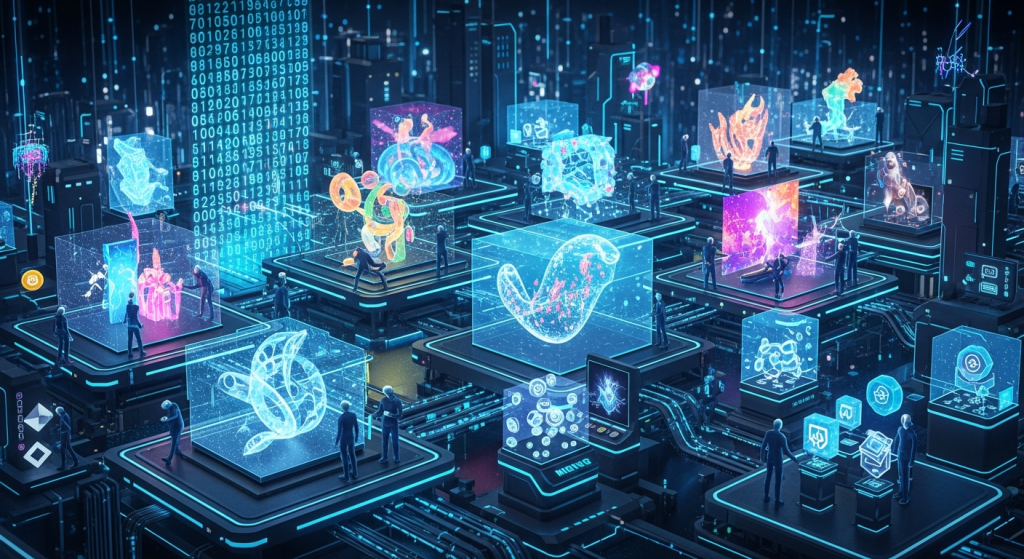
NFT marketplaces are digital platforms for buying, selling, and minting non-fungible tokens. Built on blockchain technology, they ensure transparency, ownership verification, and creator royalties. From open platforms like OpenSea to curated galleries like SuperRare, these marketplaces power the growing NFT economy and redefine digital ownership.
Non-fungible tokens, or NFTs, have exploded in popularity, transforming digital art, collectibles, and even music. But where do you actually buy and sell these unique digital assets? The answer is an NFT marketplace. These platforms are the digital equivalent of an auction house or an art gallery, providing a space for creators and collectors to connect.
If you’re new to the world of crypto and NFTs, navigating these marketplaces can seem intimidating. This guide will break down exactly what an NFT marketplace is, how it works, and introduce you to some of the most popular platforms available. By the end, you’ll have the confidence to start exploring, buying, and even selling your own digital treasures.
What is an NFT Marketplace?
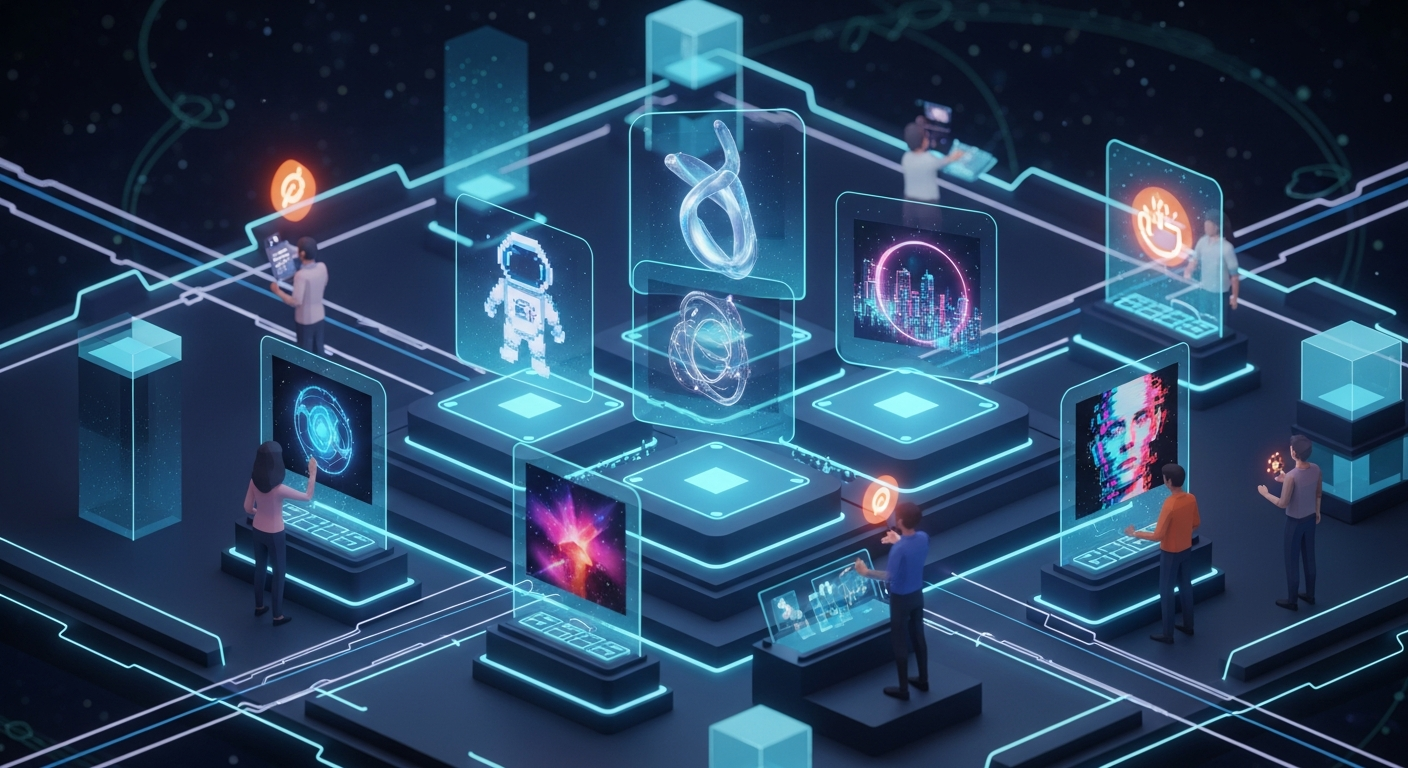
An NFT marketplace is a digital platform designed for storing, displaying, trading, and in some cases, creating (or “minting”) NFTs. Think of it like eBay or Amazon, but exclusively for non-fungible tokens. These marketplaces are built on blockchain technology, which is the same decentralized ledger system that powers cryptocurrencies like Bitcoin and Ethereum.
Because they operate on a blockchain, all transactions are transparent, secure, and publicly verifiable. This ensures that every NFT’s ownership history is clear and cannot be altered, which is crucial for establishing authenticity and value. When you buy an NFT, the marketplace facilitates the transfer of ownership from the seller’s crypto wallet to yours, recording the transaction permanently on the blockchain.
How Do NFT Marketplaces Work?
Getting started on an NFT marketplace involves a few key steps. While each platform has its own unique interface, the general process is quite similar across the board.
Setting Up a Crypto Wallet
Before you can do anything on an NFT marketplace, you need a digital wallet that can hold both cryptocurrency and NFTs. This wallet acts as your personal account on the blockchain, allowing you to sign transactions and manage your assets. Popular choices include MetaMask, Coinbase Wallet, and Trust Wallet. Setting one up is usually a straightforward process of downloading an app or browser extension and following the setup instructions.
Funding Your Wallet
Next, you’ll need to buy the specific cryptocurrency required by the marketplace you plan to use. Most of the largest NFT marketplaces are built on the Ethereum blockchain, so you’ll likely need to purchase Ether (ETH). You can buy cryptocurrency on exchanges like Coinbase, Binance, or Kraken and then transfer it to your personal crypto wallet.
Connecting to a Marketplace
Once your wallet is funded, you can visit the NFT marketplace of your choice. You’ll find an option to “Connect Wallet,” which links your digital wallet to the platform. This allows the marketplace to view the NFTs and crypto you hold, enabling you to make purchases or list items for sale.
Buying and Selling NFTs
With your wallet connected, you can browse listings just like you would on any e-commerce site. NFTs are typically sold in two ways:
- Fixed Price: The seller lists the NFT for a set price, and you can buy it instantly.
- Auction: The seller sets a minimum price and a time frame for the auction. Bidders place offers, and the highest bidder at the end of the auction wins the NFT.
When you purchase an NFT, the marketplace will prompt your wallet to confirm the transaction. This will include the price of the NFT plus a “gas fee,” which is a transaction fee paid to the blockchain network to process the exchange. Once confirmed, the NFT is transferred to your wallet, and the cryptocurrency is sent to the seller.
Types of NFT Marketplaces
While all NFT marketplaces serve the same basic function, they can be categorized based on the types of NFTs they offer and their target audience.
Curated vs. Open Marketplaces
- Curated Marketplaces: These platforms are more selective and often require artists to apply and be approved before they can mint or list their NFTs. They tend to feature high-quality, exclusive digital art from established or vetted creators. Platforms like SuperRare and Nifty Gateway are examples of curated marketplaces.
- Open Marketplaces: These are accessible to anyone. Any user can connect their wallet and mint their own NFTs, leading to a vast and diverse range of content. OpenSea and Rarible are the most well-known open marketplaces, offering everything from digital art and music to domain names and virtual land.
Specialized Marketplaces
Some platforms focus on specific niches within the NFT ecosystem. For example:
- NBA Top Shot: A marketplace dedicated exclusively to officially licensed NBA highlight clips.
- Axie Infinity Marketplace: A platform for buying and selling characters and items for the popular blockchain game Axie Infinity.
- Sorare: A fantasy soccer game where users can collect and trade NFT player cards.
These specialized marketplaces cater to specific communities and interests, creating a more focused and engaging experience for fans and collectors.
Popular NFT Marketplaces to Explore
If you’re ready to start your journey, here are a few of the most popular and user-friendly platforms to check out.
1. OpenSea
Often called the “Amazon of NFTs,” OpenSea is the largest and most established open marketplace. It hosts a massive variety of digital assets on several blockchains, including Ethereum, Polygon, and Solana. Its open-door policy means you can find everything from high-profile art collections to emerging independent projects. Because it supports the Polygon network, users can often buy and sell with much lower gas fees.
2. Rarible
Rarible is another major open marketplace that allows anyone to create and sell NFTs. One of its unique features is its governance token, RARI. Users who actively buy or sell on the platform earn RARI, which gives them a say in the platform’s future development and decision-making. This community-centric approach has made it a popular choice for creators who want to be more involved in the ecosystem.
3. SuperRare
For those interested in high-end, single-edition digital art, SuperRare is a leading curated marketplace. The platform positions itself as a digital art gallery, focusing on quality over quantity. Every piece is unique (a “1 of 1”), and the rigorous artist selection process ensures a high standard of work, making it a go-to for serious art collectors.
4. Nifty Gateway
Nifty Gateway is another curated platform known for its exclusive “drops” from famous artists, musicians, and brands. They partner with creators like Beeple and Grimes to release limited-edition collections that often sell out in minutes. Nifty Gateway also simplifies the buying process by allowing users to purchase NFTs with a credit card, making it more accessible to those new to cryptocurrency.
Evolution of NFT Marketplaces
NFT marketplaces evolved alongside blockchain adoption. Early platforms were limited, technical, and focused mainly on crypto-native users. As NFTs gained popularity through digital art, gaming, and collectibles, marketplaces became more user-friendly, offering intuitive interfaces, search filters, and discovery tools. Today’s NFT marketplaces support multiple blockchains, integrate social features, and provide creator tools like royalty management and analytics. This evolution has helped NFTs move from niche crypto communities to mainstream adoption. As technology advances, NFT marketplaces continue to evolve toward better scalability, lower fees, and wider accessibility for global audiences.
Blockchain Networks Used by NFT Marketplaces
NFT marketplaces operate on different blockchain networks such as Ethereum, Polygon, Solana, and Binance Smart Chain. Ethereum remains the most popular due to its security and established ecosystem, but high gas fees pushed platforms to adopt alternatives. Polygon offers low-cost transactions, Solana focuses on speed and scalability, and BNB Chain provides affordability. Multi-chain marketplaces allow users to choose networks based on cost and performance. Understanding blockchain differences helps buyers and creators select platforms aligned with their budget, environmental concerns, and transaction speed expectations.
Minting NFTs on Marketplaces
Minting is the process of turning digital files into NFTs on a blockchain. Many NFT marketplaces offer built-in minting tools, allowing creators to upload artwork, music, or videos and define ownership details. Some platforms support “lazy minting,” where NFTs are minted only after purchase, reducing upfront gas fees. During minting, creators can set royalties, metadata, and supply limits. Minting empowers artists by giving them direct ownership and monetization opportunities without traditional intermediaries, reshaping the creative economy.
NFT Royalties and Creator Earnings
One major innovation of NFT marketplaces is automated creator royalties. Artists can earn a percentage from every resale of their NFT, ensuring long-term income. Royalties are enforced via smart contracts, typically ranging from 5% to 10%. This feature provides creators with ongoing financial rewards as their work gains value over time. While royalty enforcement varies by platform and blockchain, it remains a defining advantage of NFTs over traditional art markets, supporting sustainable creator economies.
Gas Fees and Transaction Costs
Gas fees are blockchain transaction costs required to process NFT activities. Fees vary based on network congestion and blockchain choice. Ethereum fees can be high during peak demand, while Polygon and Solana offer lower-cost alternatives. Some marketplaces allow fee-free listing and off-chain actions to reduce costs. Understanding gas fees helps users time transactions strategically and select cost-effective platforms.
NFT Marketplaces for Artists
NFT marketplaces empower artists by eliminating traditional gatekeepers like galleries and publishers. Artists can directly reach global audiences, retain ownership rights, and monetize digital work transparently. Marketplaces provide analytics, community exposure, and promotional features. This shift has democratized access to the art market, enabling independent creators to build sustainable digital careers.
NFT Marketplaces for Collectors
Collectors benefit from transparency, liquidity, and global access. NFT marketplaces allow collectors to track ownership history, rarity traits, and market value in real time. Features like auctions, collections, and verified creators enhance trust. Collectors can also resell assets instantly, unlike traditional collectibles, making NFTs a dynamic investment and cultural asset class.
Community and Social Features

Modern NFT marketplaces integrate social elements such as likes, follows, comments, and community profiles. These features help creators build audiences and collectors discover trending projects. Community engagement drives value by increasing visibility and trust. Strong communities often determine long-term success of NFT projects beyond technical features.
Your Next Steps in the NFT World
NFT marketplaces are the essential gateways to the exciting and rapidly evolving world of digital ownership. They provide the infrastructure for a new kind of digital economy where creators can monetize their work directly and collectors can own a piece of internet history.
Whether you’re an artist looking to share your creations, a collector searching for the next big thing, or simply curious about the technology, exploring these platforms is the best way to learn. Start by setting up a crypto wallet, browse the collections on a user-friendly platform like OpenSea, and see where your curiosity takes you. The digital frontier is wide open, and NFT marketplaces are your map to exploring it.
Conclusion
NFT marketplaces are the backbone of the digital ownership revolution. They connect creators and collectors, ensure transparency through blockchain technology, and enable entirely new economic models. As accessibility improves and use cases expand beyond art into gaming, music, and real-world assets, NFT marketplaces will continue shaping the future of digital commerce and creativity.
Frequently Asked Questions (FAQs)
1. What is an NFT marketplace?
A platform for buying, selling, minting, and trading NFTs.
These platforms operate on blockchain technology and act as digital hubs where creators and collectors interact. They provide tools for showcasing NFTs, managing ownership transfers, and ensuring transaction transparency. Popular marketplaces support multiple NFT categories, including art, music, gaming assets, and virtual real estate.
2. Do I need crypto to use NFT marketplaces?
Yes, most require cryptocurrency, though some support credit cards.
Cryptocurrency is commonly used to pay for NFTs and blockchain transaction fees. Some platforms simplify onboarding by allowing fiat payments, but crypto wallets are still often required to store and manage NFTs securely.
3. Are NFT marketplaces safe?
Yes, when using trusted platforms and secure wallets.
Security depends on using reputable marketplaces, protecting private keys, and avoiding phishing scams. Blockchain transactions are transparent, but users must follow best practices such as enabling two-factor authentication and using hardware wallets when possible.
4. What wallets work with NFT marketplaces?
MetaMask, Coinbase Wallet, and Trust Wallet are common.
These wallets allow users to store NFTs and cryptocurrencies while connecting directly to NFT marketplaces. Wallet compatibility may vary depending on the blockchain used, so checking platform support is important before choosing a wallet.
5. Can anyone sell NFTs?
Yes, especially on open marketplaces.
Open marketplaces allow users to mint and list NFTs without approval, making them accessible to beginners and independent creators. Curated marketplaces may require applications or invitations to maintain quality standards.
6. What are gas fees?
Blockchain transaction costs.
Gas fees are paid to network validators to process and confirm transactions. Fees vary based on network congestion and blockchain choice, which is why many users prefer lower-cost networks for frequent trading.
7. Do NFT creators earn royalties?
Yes, through smart contracts.
Royalties are automatically paid to creators each time an NFT is resold. This creates long-term earning potential and ensures artists continue benefiting from their work beyond the initial sale.
8. Are NFTs only digital art?
No, they include music, gaming assets, domains, and more.
NFTs represent ownership of a wide range of digital assets, including virtual land, memberships, event tickets, and intellectual property rights, expanding their use beyond traditional art.
9. Can NFTs be resold?
Yes, most marketplaces support resales.
Owners can list NFTs for resale at fixed prices or auctions. Resales contribute to secondary markets where asset value is determined by demand, rarity, and creator reputation.
10. Which blockchain is best for NFTs?
Ethereum for adoption, Polygon/Solana for lower fees.
Ethereum offers the largest ecosystem and widest marketplace support, while Polygon and Solana provide faster transactions and reduced costs, making them popular for new users and high-volume trading.
11. Is copyright transferred with NFTs?
Not always—check license terms.
NFT ownership does not automatically grant intellectual property rights. Usage rights depend on the creator’s license, so buyers should always review terms before purchasing.
12. Are NFT marketplaces regulated?
Regulation varies by country and platform.
Some regions enforce compliance related to taxation, digital assets, and consumer protection, while others are still developing regulatory frameworks for NFTs and blockchain-based marketplaces.