How NFT Communities Define Project Success
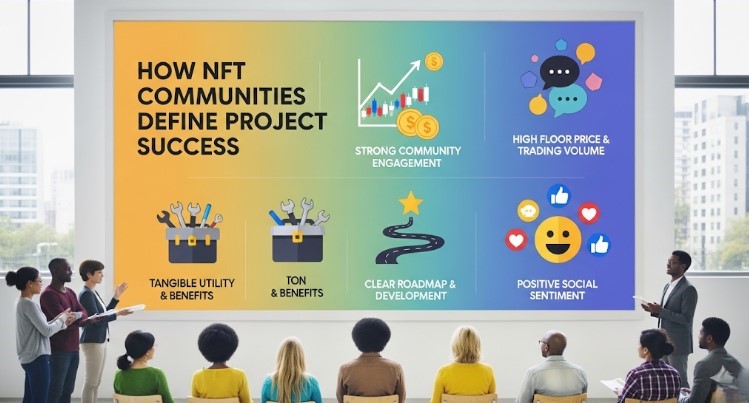
NFT communities play a critical role in driving trust, value, and longevity in NFT projects. Strong communities generate organic marketing, stabilize prices, foster innovation, and create digital identity. This article explains how engaged supporters transform NFTs from simple assets into sustainable ecosystems, making community strength the key factor behind lasting success.
The world of Non-Fungible Tokens (NFTs) has seen its share of meteoric rises and dramatic falls. While headlines often focus on record-breaking sales or market volatility, a crucial element often gets overlooked: the community. Behind every successful NFT project, from Bored Ape Yacht Club to CryptoPunks, there is a dedicated and engaged group of supporters. These NFT communities are not just customers; they are the lifeblood that provides value, drives demand, and ensures a project’s long-term viability.
So, what makes these digital tribes so powerful? A strong NFT community transforms a simple digital asset into a token of identity, a key to exclusive circles, and a shared stake in a collective future. This article will explore the specific ways NFT communities contribute to a project’s success, from generating initial buzz to fostering sustained growth and innovation.
The Foundation: Building Trust and Hype
Before an NFT project even launches, its success often hinges on the community it can build. In a market filled with scams and short-lived ventures, trust is the most valuable currency.
Generating Organic Buzz
Early community members become a project’s first and most passionate advocates. They spread the word through social media platforms like X (formerly Twitter) and Discord, creating organic hype that is far more authentic and effective than traditional advertising. This grassroots marketing is essential for cutting through the noise. When potential buyers see real people genuinely excited about a project, it builds credibility and attracts wider attention. This initial momentum can be the difference between a sold-out mint and a failed launch.
Establishing Credibility
A transparent and active founding team is vital. By engaging directly with early supporters, answering questions, and sharing their vision, founders can build a strong foundation of trust. Regular updates, “ask me anything” (AMA) sessions, and a clear roadmap demonstrate a commitment to the project and its community. This open line of communication makes community members feel valued and secure in their investment, encouraging them to participate more deeply.
The Engine: Driving Value and Demand
Once a project is launched, the NFT community takes on the critical role of driving its value. Unlike traditional art or collectibles, the value of an NFT is deeply intertwined with the strength and engagement of its holders.
Creating a Strong Social Identity
Owning a specific NFT is often a powerful status symbol. It serves as a digital identity and a passport into an exclusive social club. For example, owning a Bored Ape grants access to a network of entrepreneurs, celebrities, and tech innovators. This sense of belonging and shared identity is a powerful driver of demand. People are not just buying a JPEG; they are buying entry into a coveted community. This social value often outweighs the artistic value of the token itself.
The “Diamond Hands” Effect
The most dedicated community members are often referred to as having “diamond hands,” meaning they hold onto their assets through market fluctuations. This long-term commitment is crucial for stabilizing an NFT’s price. When a large portion of a collection is held by believers who aren’t looking for a quick flip, it reduces supply on the open market. This scarcity, combined with ongoing demand from new buyers wanting to join the community, helps to sustain and increase the project’s floor price over time.
The Future: Fostering Innovation and Longevity
The most successful NFT communities don’t just support a project; they help it evolve. By providing feedback, contributing ideas, and even building new tools, the community becomes a partner in the project’s long-term growth.
A Source of Continuous Innovation
An engaged community is a constant source of inspiration and innovation. Members might suggest new utilities for the NFTs, propose ideas for merchandise, or organize virtual and real-world events. Project leaders who listen to their community can adapt and expand their offerings to meet the evolving desires of their audience. This collaborative approach ensures the project remains relevant and exciting.
Expanding the Ecosystem
Passionate community members often take it upon themselves to build on top of the existing project. They might create analytical tools, develop companion collections, or write lore that expands the project’s universe. This user-generated content and development adds layers of value to the original NFTs and strengthens the entire ecosystem. It transforms the project from a static collection into a dynamic, co-created world.
What to Look for in NFT Communities
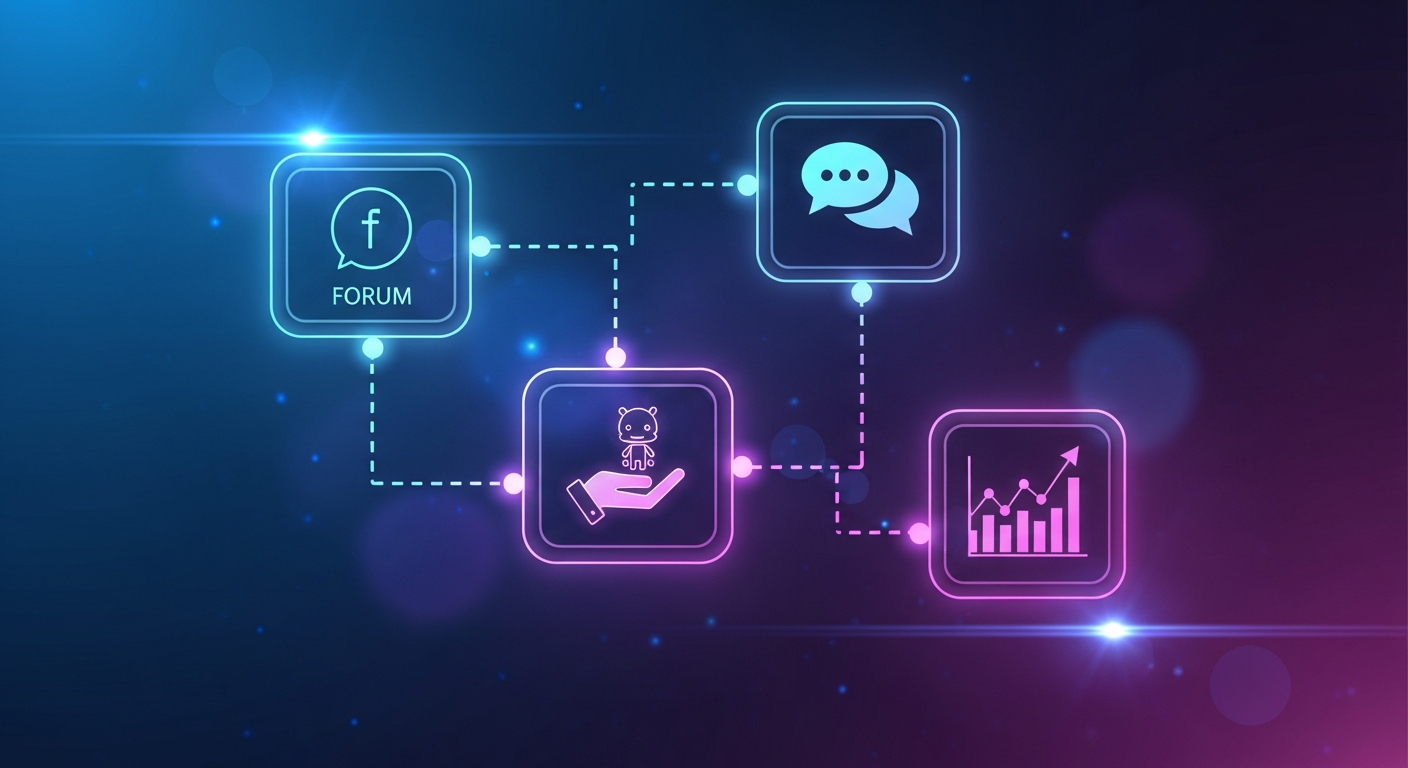
For anyone looking to invest in or join an NFT project, assessing the health of its community is essential. Here are a few key indicators of a strong community:
- Active and Positive Engagement: Look for lively discussions on Discord and X. Are members helpful, positive, and genuinely excited about the project’s future?
- Transparent Leadership: Do the founders communicate regularly and openly? Are they receptive to feedback and actively involved in the community?
- Shared Vision and Values: A strong community is united by more than just financial interest. Look for a shared culture, inside jokes, and a collective belief in the project’s mission.
- Long-Term Focus: Are discussions centered on the project’s roadmap and future potential, or is the focus solely on short-term price movements? A community with a long-term vision is more likely to endure.
Community as the Core Asset
In NFT projects, the community itself becomes a valuable asset. Unlike traditional digital products, NFTs gain worth from collective belief and participation. A strong community adds emotional, social, and economic value to a project. When holders actively engage, promote, and defend a project, it creates trust and stability. This shared ownership mindset encourages long-term holding and organic growth. Communities also influence market perception, making projects more resilient during downturns. Ultimately, the stronger the community, the higher the perceived value of the NFT collection.
Community-Driven Trust Building
Trust is critical in the NFT ecosystem, where scams and rug pulls are common. An engaged community helps verify legitimacy through discussions, shared research, and transparency checks. Founders who communicate openly with their community build confidence and credibility. When community members trust the project, new investors feel safer joining. This collective trust becomes a protective layer that supports long-term success and reputation.
Role of Discord and Social Platforms
Discord, X (Twitter), and Telegram act as the backbone of NFT communities. These platforms allow real-time interaction between founders and holders. Active servers with meaningful discussions signal project health. Social platforms also help amplify announcements, launches, and collaborations. Strong engagement across platforms increases visibility and attracts new users organically.
Community and NFT Floor Price Stability
NFT prices are heavily influenced by holder behavior. Communities with loyal members reduce panic selling during market volatility. This “diamond hands” mentality limits supply and supports floor price stability. When members believe in the project’s vision, they are more likely to hold long-term, creating scarcity and consistent demand.
Identity and Digital Belonging
NFTs often represent more than ownership—they symbolize identity. Community membership creates a sense of belonging and exclusivity. Holders proudly display NFTs as profile pictures, signaling status and shared values. This identity-driven demand fuels organic growth and brand loyalty beyond speculation.
Community-Led Marketing Power
NFT communities act as decentralized marketing teams. Members promote projects voluntarily through tweets, spaces, memes, and referrals. This organic marketing feels more authentic than paid ads. Word-of-mouth promotion strengthens brand credibility and expands reach without heavy marketing costs.
Feedback Loop for Project Growth
Communities provide real-time feedback that helps projects evolve. Members suggest features, utilities, and improvements. Projects that listen and adapt based on feedback remain relevant. This collaboration strengthens relationships and ensures the roadmap aligns with user expectations.
Innovation Through Community Ideas
Many NFT utilities originate from community creativity. From staking ideas to metaverse integrations, communities inspire innovation. This shared creativity allows projects to expand beyond simple digital art into ecosystems with long-term utility.
Community Events and Engagement
Virtual meetups, AMAs, and IRL events strengthen bonds among holders. Events increase engagement and deepen emotional investment. Active participation keeps excitement alive even during slow market periods.
Long-Term Vision and Sustainability
Projects with future-focused communities survive market cycles better. Long-term vision discussions indicate maturity and stability. Sustainable communities prioritize growth, utility, and partnerships over short-term hype.
DAO and Community Governance
Some NFT projects empower holders through DAOs. Community voting increases transparency and shared responsibility. Governance participation makes holders feel invested in the project’s direction, improving loyalty and engagement.
Community as a Competitive Advantage
In a crowded NFT market, community strength differentiates projects. Art and technology can be replicated, but strong communities cannot. A loyal community creates a defensible moat that protects long-term success.
The Heart of the Digital Age
Ultimately, NFT communities are a powerful reminder that human connection is the ultimate driver of value. While technology provides the framework, it is the collective passion, identity, and collaboration of people that brings a project to life. As the digital asset landscape continues to mature, the projects that prioritize building and nurturing their communities will be the ones that not only survive but thrive.
For creators, the lesson is clear: focus on your people. For collectors and investors, the advice is similar: look for the projects with the most passionate and engaged supporters. In the world of NFTs, a strong community isn’t just a feature—it’s everything.
Community Incentives and Reward Systems
Incentive systems play a major role in strengthening NFT communities. Rewarding active members with whitelist spots, airdrops, governance rights, or exclusive content motivates participation and loyalty. These incentives encourage holders to stay engaged beyond speculation. When community members feel rewarded for contributing ideas, promoting projects, or helping newcomers, overall activity increases. Well-designed reward systems also reduce churn and create long-term alignment between creators and holders. Rather than focusing solely on price appreciation, incentives shift attention toward contribution and collaboration. Projects that balance fair rewards with transparency build healthier communities and sustain engagement through different market cycles.
Emotional Investment and Brand Loyalty
NFT communities create deep emotional connections that traditional brands struggle to achieve. Holders often feel personally invested in a project’s success because ownership represents belonging. This emotional attachment builds strong brand loyalty, making members more forgiving during delays or market downturns. Loyal communities support projects through feedback, defense against criticism, and continued promotion. Emotional investment transforms NFT projects into lifestyle brands rather than speculative assets. When people identify with a project’s values, art style, or mission, they remain engaged long after the initial mint, strengthening long-term sustainability.
Community Education and Onboarding
Strong NFT communities prioritize education to onboard new members effectively. Clear guides, FAQs, and mentorship from experienced holders reduce confusion and build confidence. Educational initiatives help newcomers understand project utility, roadmap goals, and community culture. This transparency prevents misinformation and unrealistic expectations. Communities that support learning tend to attract higher-quality participants who contribute positively. Education also improves retention, as informed members are less likely to panic sell during volatility. By investing in onboarding, NFT projects create inclusive environments that encourage long-term participation and trust.
Crisis Management Through Community Support
Market crashes, technical issues, and negative press are common in Web3. Strong NFT communities act as stabilizers during crises. Active communication, collective reassurance, and transparent updates help reduce panic. Communities that trust leadership respond more calmly to setbacks. Members often defend projects publicly, counter misinformation, and help maintain confidence. This collective resilience protects reputation and market value. Projects with weak communities often collapse during crises, while those with loyal supporters recover faster. Community-driven crisis management is a powerful asset that cannot be replicated by marketing alone.
Conclusion
NFT communities are the true foundation of successful projects. They build trust, create identity, stabilize value, and fuel innovation. While technology enables NFTs, it is people who sustain them. Projects that prioritize community engagement outperform those driven only by hype. For creators and investors alike, community strength is the most reliable indicator of long-term NFT success.
Frequently Asked Questions (FAQ)
1. What is an NFT community?
An NFT community is a group of holders, creators, and supporters who actively engage with an NFT project, participate in discussions, and contribute to its growth.
2. Why are NFT communities important?
NFT communities drive trust, increase demand, support long-term value, and help projects grow beyond short-term hype.
3. Can an NFT project succeed without a community?
Rarely. Without an active and loyal community, most NFT projects struggle to maintain relevance and sustainability.
4. Which platforms are best for NFT communities?
Discord, X (formerly Twitter), and Telegram are the most popular platforms for NFT community engagement.
5. How do NFT communities affect prices?
Strong communities encourage long-term holding, reduce panic selling, and increase overall market confidence.
6. What does “diamond hands” mean in NFTs?
It refers to holders who keep their NFTs during market volatility instead of selling quickly.
7. Do NFT communities help prevent scams?
Yes. Active communities promote transparency, share research, and help identify suspicious behavior early.
8. How do NFT communities promote projects?
Through organic marketing such as social media sharing, word-of-mouth, memes, and community-led campaigns.
9. Are NFT communities global?
Yes. NFT communities consist of members from around the world, making them truly global networks.
10. What is community governance in NFTs?
Community governance allows NFT holders to participate in decision-making through voting or DAO structures.
11. How can creators build strong NFT communities?
By being transparent, engaging consistently, delivering on promises, and listening to community feedback.
12. What should investors look for in an NFT community?
High engagement, positive interactions, transparent leadership, and a strong long-term vision.