Real Estate NFT enables ownership of virtual land in the metaverse using blockchain, offering investment opportunities, revenue models, and future growth driven by digital adoption and innovation.
The concept of owning digital land once belonged to science fiction, yet today metaverse real estate represents one of the fastest-growing segments of the NFT market. As major corporations and individual investors alike stake their claims across virtual worlds, understanding the nuances of this emerging asset class becomes increasingly important for forward-thinking investors.
The Digital Land Rush
Virtual real estate markets have evolved significantly since their early iterations. What began as novelty purchases have transformed into strategic acquisitions with genuine utility considerations. Major brands now view metaverse presence as essential extensions of their physical operations, driving demand for prime digital locations.
The metaverse real estate market reached approximately $501 million in transactions during 2023, demonstrating both significant capital flows and growing institutional interest. While this represents a fraction of physical real estate markets, the growth trajectory suggests continued expansion as virtual worlds gain mainstream adoption.
Unlike traditional real estate bound by physical constraints, metaverse properties exist across numerous platforms with varying characteristics. Each virtual world operates under unique economic models, scarcity mechanics, and utility propositions. This fragmentation creates both opportunities and challenges for investors navigating the landscape.
Value Drivers in Virtual Landscapes
Understanding value creation in metaverse real estate requires examining factors that differ significantly from physical property markets. Location remains important but operates under different principles. Proximity to high-traffic areas, popular attractions, or celebrity-owned parcels often drives premium valuations similar to physical real estate, yet these patterns emerge based on digital foot traffic rather than physical convenience.
The flexibility of development represents another crucial value driver. Unlike physical construction, virtual buildings can transform instantly, host unlimited visitors simultaneously, and implement programmable features impossible in physical spaces. This adaptability allows property owners to quickly respond to market trends or user preferences.
Platform selection perhaps most significantly impacts investment outcomes. Properties within established metaverses like Decentraland operate under different economic models than emerging platforms. Established worlds offer greater liquidity and proven user bases but often at premium entry prices. Emerging platforms may provide greater appreciation potential coupled with increased platform risk.
For detailed analysis of platform-specific investment considerations, our metaverse platform comparison guide offers in-depth evaluations of governance models, technical capabilities, and user growth metrics across major virtual worlds.
Revenue Generation Strategies
Modern metaverse real estate transcends simple speculation through multiple revenue generation approaches. Rental markets have emerged where property owners lease space to brands, creators, or event organizers seeking temporary presence without substantial capital investment. These arrangements typically operate through smart contracts that automate payment collection and access control.
Advertising represents another established revenue stream, with high-traffic locations commanding premium rates for virtual billboards or brand installations. These advertising opportunities often benefit from captive audience attention in ways physical advertising struggles to achieve.
Experience creation perhaps shows the most promise for sustainable returns. Properties hosting engaging experiences, from virtual concerts to interactive art installations, generate value through attendance fees, in-experience purchases, or brand sponsorships. The most successful properties typically focus on creating memorable experiences rather than passive ownership.
Development Considerations
Developing metaverse properties requires balancing aesthetic appeal, functional utility, and technical performance. While visually stunning builds attract initial attention, retention typically depends on functional utility and performance optimization. Properties causing rendering issues or navigation difficulties quickly lose visitors regardless of visual appeal.
Professional development teams have emerged specializing in metaverse architecture, interactive design, and performance optimization. These specialized skills command premium fees but often deliver superior investment returns through enhanced user experiences and technical reliability.
Open-source development assets and interoperability standards are improving rapidly, potentially reducing future development costs while increasing property versatility across platforms. This evolution may eventually enable properties to exist simultaneously across multiple metaverses rather than remaining platform-locked assets.
Risk Assessment Framework
Prudent investors approach metaverse real estate with comprehensive risk assessment frameworks. Platform dependency represents perhaps the greatest risk factor, as property values remain inextricably linked to platform success. A metaverse platform’s decline inevitably impacts all properties within its ecosystem regardless of individual property quality.
According to data from Virtual Real Estate Analysis, approximately 64% of a metaverse property’s value correlates directly with overall platform activity metrics rather than property-specific features. This platform dependency exceeds similar factors in physical real estate, where neighborhood conditions typically impact value to lesser degrees.
Regulatory uncertainty presents another significant risk factor. As regulatory frameworks evolve around digital assets, metaverse properties may face classification challenges affecting transferability, taxation, or legal protections. Jurisdictional questions remain particularly complex for assets existing purely in digital form.
Technical obsolescence risks also warrant consideration. As metaverse technologies advance rapidly, properties developed under current technological constraints may require significant upgrades to remain competitive or even functional within evolving platforms.
Investment Strategies and Market Entry
Various investment strategies have emerged catering to different risk profiles and capital allocations. Index-based approaches involve acquiring diversified holdings across multiple platforms to mitigate platform-specific risks. This strategy sacrifices potential outsized returns from concentrated platform bets in favor of broader exposure to the overall metaverse real estate sector.
Development-focused strategies emphasize acquiring undeveloped or underdeveloped parcels, then creating value through custom builds or experience design. This approach typically requires greater technical expertise but potentially generates higher returns through value-add activities rather than pure appreciation.
Yield-focused investors prioritize immediate revenue generation through rental arrangements, advertising placements, or experience monetization. This strategy often attracts investors familiar with traditional real estate income principles seeking to apply similar models in digital contexts.
Market entry timing significantly impacts investment outcomes in this volatile sector. During platform hype cycles, acquisition costs often reach unsustainable levels disconnected from realistic utility valuations. Counter-cyclical purchasing during market corrections has historically provided better entry points for long-term investors, though requires conviction during periods of negative sentiment.
Portfolio Integration Considerations
For diversified investors, determining appropriate metaverse real estate allocation within broader portfolios remains challenging. The asset class demonstrates correlation patterns with both cryptocurrency markets and technology equities rather than traditional real estate, limiting its effectiveness as a traditional real estate alternative.
Most financial advisors currently recommend limiting metaverse real estate exposure to a small percentage of alternative asset allocations rather than core portfolio holdings. This cautious approach acknowledges both significant upside potential and substantial risk factors during these early market stages.
For investors seeking broader metaverse exposure beyond direct property ownership, publicly traded companies developing metaverse infrastructure or services may provide more liquid investment vehicles with reduced platform-specific risks.
Future Evolution Pathways
Several technological and market trends suggest potential evolution pathways for metaverse real estate. Interoperability initiatives may eventually enable assets to exist across multiple platforms simultaneously, potentially reducing platform dependency risks while increasing total addressable markets for property utility.
Artificial intelligence integration shows particular promise for property management and visitor engagement. AI-powered NPCs (non-player characters) already enhance visitor experiences in limited implementations, with future applications potentially including personalized guest interactions, dynamic space reconfiguration, and automated maintenance functions.
Physical-digital hybrid models represent another emerging trend, where physical locations maintain synchronized digital twins in metaverse environments. These implementations enable physical businesses to extend their reach while creating novel customer experiences spanning both realms.
Evolution of Digital Land Ownership
Digital land ownership has evolved significantly over the past decade. Early virtual worlds offered simple environments with limited economic value. Today, Metaverse Real Estate NFTs represent complex ecosystems with trading, development, and monetization opportunities.
As blockchain technology matured, it enabled secure ownership of virtual assets through NFTs. This innovation allowed users to buy, sell, and lease digital land with proof of ownership stored on decentralized networks.
The evolution also reflects changing user behavior. People now spend more time in virtual environments for entertainment, business, and social interaction. This shift has turned metaverse land into a valuable digital commodity with long-term investment potential.
How Metaverse Real Estate NFTs Work
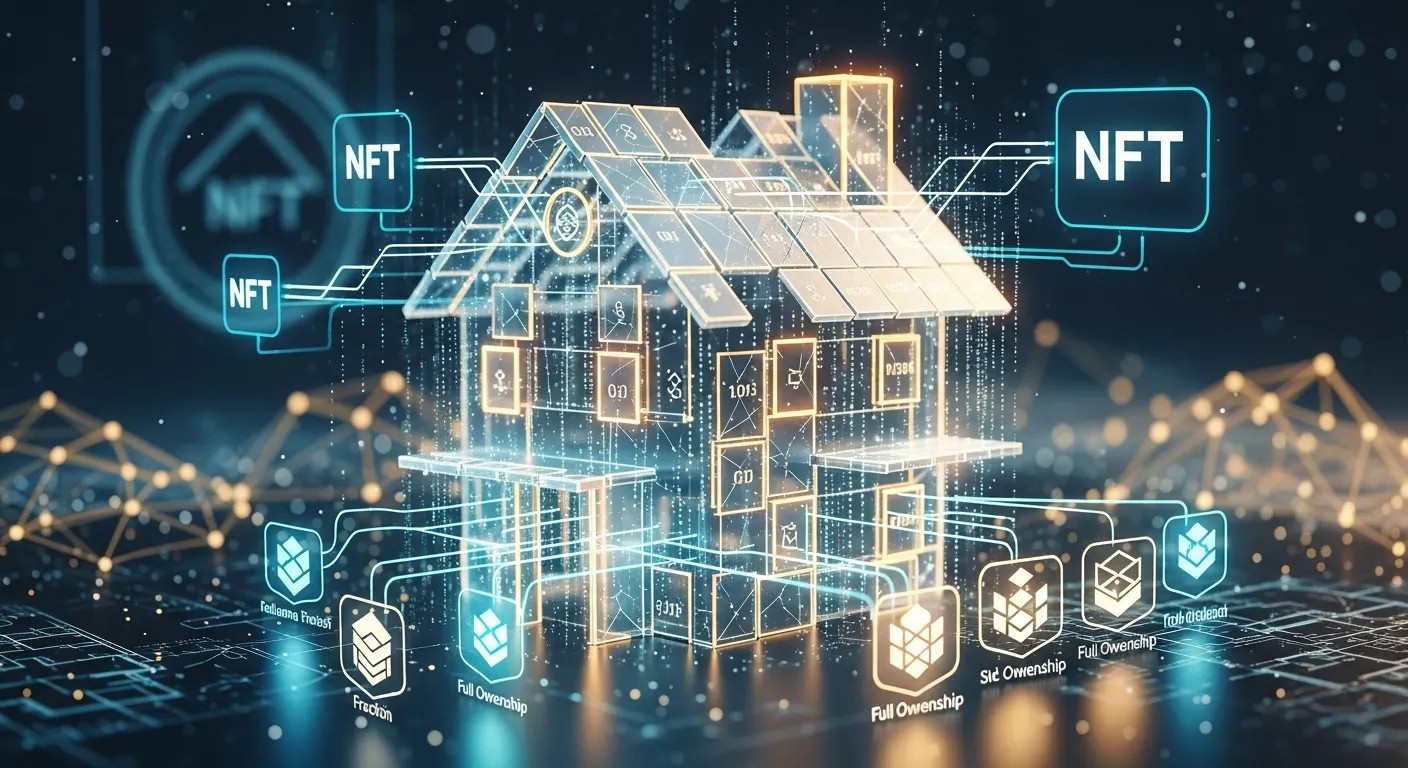
Metaverse Real Estate NFTs function through blockchain-based smart contracts. Each parcel of virtual land is represented as a unique NFT, ensuring ownership cannot be duplicated or altered.
When an investor purchases digital land, the transaction is recorded on the blockchain, providing full transparency. These assets can then be developed, leased, or sold depending on the platform’s ecosystem rules.
Different metaverse platforms operate independently, meaning land in one world cannot be transferred to another. However, interoperability is gradually improving. The system combines gaming, finance, and digital ownership into a unified experience that is reshaping online economies.
Key Platforms in the Metaverse Real Estate Market
Several platforms dominate the Metaverse Real Estate NFTs ecosystem. Each offers unique features, user bases, and economic models.
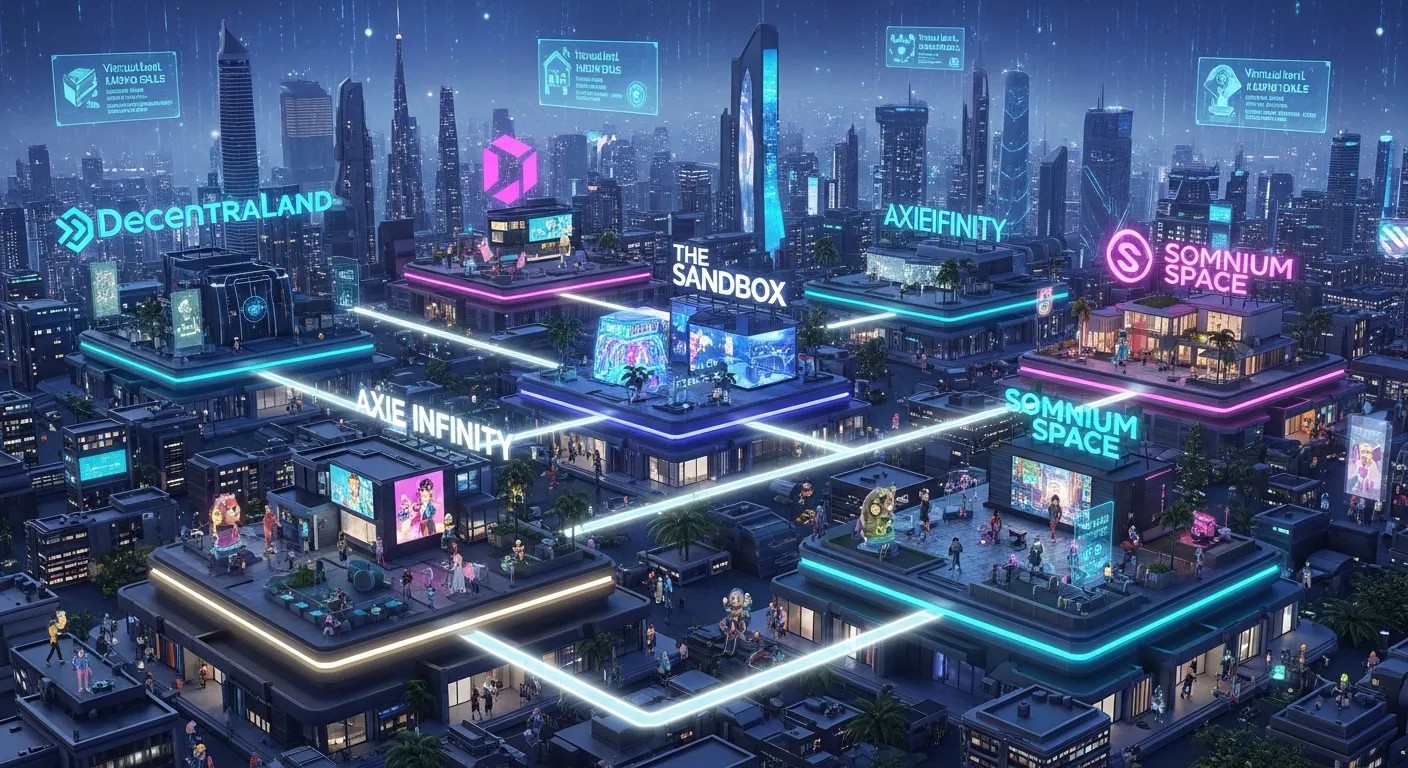
Popular platforms include Decentraland, The Sandbox, Somnium Space, and Otherside. These environments allow users to purchase land, build structures, and create experiences.
Some platforms focus on gaming, while others emphasize social interaction or business development. This diversity creates multiple investment opportunities but also introduces complexity. Understanding platform-specific rules is crucial before investing in virtual land assets.
Value Drivers of Virtual Real Estate
The value of Metaverse Real Estate NFTs depends on several key factors. Location within a virtual world plays a major role, similar to physical real estate. High-traffic areas such as event hubs or branded zones often command higher prices.
Utility is another important factor. Land that supports events, advertising, or interactive experiences tends to have higher long-term value. Scarcity also influences pricing, as limited land supply increases demand.
Additionally, platform popularity and user engagement directly affect property value. The more active a metaverse ecosystem becomes, the more valuable its real estate assets are likely to become.
Investment Opportunities in Virtual Land
Investors are exploring multiple ways to profit from Metaverse Real Estate NFTs. One common strategy is buying and holding land for long-term appreciation. As demand increases, property values may rise significantly.
Another approach is development-based investment, where users build virtual experiences, stores, or entertainment spaces. These can generate revenue through ticket sales, rentals, or brand partnerships.
Flipping land is also popular, where investors purchase undervalued plots and resell them at higher prices. Each strategy carries different levels of risk and reward depending on market conditions.
Revenue Generation Models
There are several ways to earn income from Metaverse Real Estate NFTs. Rental income is one of the most common models, where owners lease their virtual land to businesses or creators.
Advertising is another major revenue stream. Brands pay for digital billboards, virtual storefronts, or event sponsorships in high-traffic areas.
Experience-based monetization is also growing rapidly. Virtual concerts, exhibitions, and gaming events attract large audiences, generating ticket sales and brand collaborations. These models make digital land more than just an asset—it becomes an active income-generating ecosystem.
Risks and Challenges in Metaverse Investments
Despite its potential, Metaverse Real Estate NFTs carry several risks. Platform dependency is one of the biggest concerns. If a metaverse platform loses users or shuts down, land value can drop significantly.
Market volatility is another challenge. Prices can fluctuate rapidly based on hype cycles and investor sentiment. Regulatory uncertainty also adds risk, as governments are still defining rules for digital assets.
Technical risks, such as platform bugs or outdated infrastructure, can also impact usability. Investors must carefully evaluate these risks before entering the virtual real estate market.
Smart Investment Strategies for Beginners
For beginners exploring Metaverse Real Estate NFTs, a cautious approach is recommended. Diversification across multiple platforms helps reduce risk exposure.
Investing in well-established virtual worlds can provide more stability compared to emerging platforms. Additionally, focusing on utility-based land rather than speculation increases long-term potential.
Research is essential before investing. Understanding platform activity, user growth, and development trends can help make informed decisions. Starting small and gradually scaling investments is often the safest strategy in this evolving market.
Role of Technology in Market Growth
Technology is a driving force behind Metaverse Real Estate NFTs. Blockchain ensures secure ownership, while VR and AR technologies enhance user experiences.
Smart contracts automate transactions, reducing the need for intermediaries. Artificial intelligence is also being integrated into virtual environments to create dynamic interactions and personalized experiences.
As technology continues to evolve, metaverse platforms will become more immersive and accessible. This will likely increase demand for virtual land and strengthen the overall ecosystem.
Future Trends in Virtual Real Estate
The future of Metaverse Real Estate NFTs looks promising as adoption increases globally. One major trend is interoperability, allowing assets to move across different platforms.
Another trend is the integration of real-world businesses into virtual spaces. Companies are already establishing digital headquarters, stores, and event spaces in the metaverse.
Sustainability and energy-efficient blockchain solutions are also gaining attention. As the industry matures, regulation and standardization will further stabilize the market and attract institutional investors.
Brand Engagement and Audience Interaction
Audience engagement is a core strength of NFT Virtual Influencer Marketing. These influencers can interact with followers through comments, livestreams, and immersive metaverse experiences.
Because they are digitally designed, they can adapt instantly to trends, cultural shifts, or campaign goals. This makes them highly relevant in fast-changing digital environments.
Many companies are now exploring Emerging NFT Virtual Influencer Marketing Brand Strategies to create deeper emotional connections between audiences and digital personas. By blending storytelling, gamification, and interactive content, brands can significantly boost engagement levels.
Institutional Adoption of Real Estate NFT
The growing adoption of Real Estate NFT assets is no longer limited to individual investors or tech enthusiasts. Large corporations, investment firms, and even luxury brands are now exploring digital property ownership within virtual ecosystems. This institutional entry is adding credibility and stability to the market.
As enterprises expand into the metaverse, they use Metaverse Real Estate NFT assets to build virtual headquarters, host global events, and engage with digital-native audiences. This shift is transforming virtual land from speculative tokens into functional business infrastructure.
Institutional involvement also brings regulatory attention, improved liquidity, and stronger platform development. As a result, the NFT ecosystem supporting digital real estate is becoming more structured, attracting long-term strategic investments rather than short-term speculation.
Tokenization and Ownership Models in Real Estate NFT
The foundation of Real Estate NFT markets lies in blockchain-based tokenization. Each virtual land parcel is uniquely represented as an NFT, ensuring verifiable ownership, scarcity, and transparency. This eliminates traditional property disputes and creates a trustless system for digital transactions.
In Metaverse Real Estate NFT ecosystems, ownership models vary depending on platform design. Some platforms offer full ownership rights, while others provide leasing or shared governance structures through decentralized autonomous organizations (DAOs).
Smart contracts automate buying, selling, and revenue distribution, reducing dependency on intermediaries. This efficient system makes the NFT real estate model highly scalable and accessible, allowing global users to participate in digital property markets without traditional barriers.
Long-Term Outlook for Real Estate NFT Ecosystem
The future of Real Estate NFT is closely tied to the evolution of the metaverse, blockchain scalability, and digital economy expansion. As virtual worlds become more immersive, demand for Metaverse Real Estate NFT assets is expected to grow significantly.
In the coming years, integration between physical and digital spaces will become more common, enabling hybrid experiences where NFT-based properties interact with real-world businesses. This will open new revenue streams and redefine how value is created in digital ecosystems.
Additionally, advancements in AI, VR, and interoperability will enhance usability and connectivity across platforms. These innovations will make Real Estate NFT markets more mature, stable, and attractive to both retail and institutional investors seeking long-term digital asset exposure.
Conclusion
Metaverse real estate represents a frontier investment category combining elements of traditional property ownership with digital asset characteristics. While speculative elements certainly exist within current market valuations, utility-focused properties delivering genuine user value increasingly demonstrate sustainable economics beyond pure scarcity propositions.
Successful investors in this space typically develop multidisciplinary expertise spanning real estate fundamentals, digital asset mechanics, and platform-specific knowledge. This combination allows for nuanced valuation approaches that identify opportunities others might overlook while avoiding common pitfalls affecting newer market participants.
As metaverse adoption continues expanding beyond early adopters into mainstream usage, properties delivering functional utility, engaging experiences, and technical reliability will likely outperform those relying solely on scarcity narratives or speculative appreciation. The most successful investors will focus on value creation rather than simply value extraction in this evolving digital frontier.
Frequently Asked Questions (FAQ)
What is a Real Estate NFT?
A Real Estate NFT is a blockchain-based digital asset that represents ownership of virtual land or property in metaverse environments.
How does Metaverse Real Estate NFT work?
It works through NFTs stored on the blockchain, where each virtual land parcel is uniquely owned, tradable, and verifiable.
Is Real Estate NFT a good investment?
It can be, but it is highly speculative. Value depends on platform growth, demand, and utility within the metaverse.
What is the difference between NFT and Metaverse Real Estate NFT?
An NFT is a digital token representing ownership, while Metaverse Real Estate NFT specifically represents virtual land or property assets.
Which platforms support Real Estate NFT?
Popular platforms include Decentraland, The Sandbox, Somnium Space, and Otherside.
Can I earn money from Real Estate NFT?
Yes, through renting, advertising, flipping land, or creating virtual experiences within metaverse environments.
What are the risks of investing in Real Estate NFT?
Risks include market volatility, platform failure, regulatory uncertainty, and low liquidity in some virtual worlds.
Do I fully own Metaverse Real Estate NFT land?
Yes, ownership is recorded on the blockchain, but usage rights depend on each platform’s rules.
How is Real Estate NFT value determined?
Value depends on location, demand, platform popularity, utility, and overall market activity in the metaverse.
What is the future of Metaverse Real Estate NFT?
The future looks promising with growth in digital economies, AI integration, and increased adoption by global brands and institutions.