What You Can Do With NFT Art: Uses, Benefits & Marketing
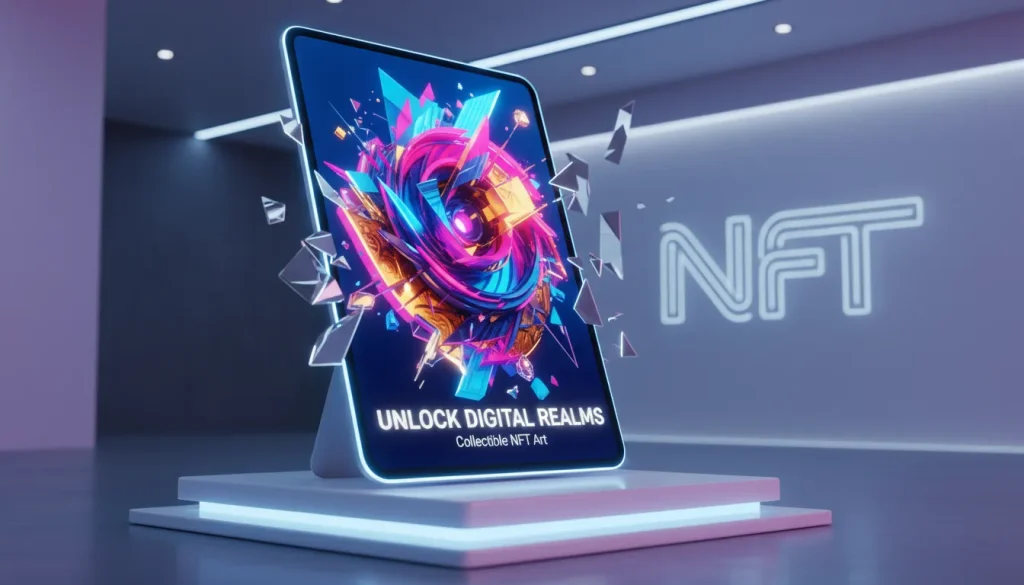
NFT art offers unique ownership, personal enjoyment, investment opportunities, social status, and community access. Its integration with the metaverse, licensing, and utility-driven features makes NFT art a dynamic, valuable, and innovative digital frontier.
“NFT art has come out with a psychological approach to the digital world, with art describing the digital world coming to full fruition. Non-fungible tokens (NFTs) are one-of-a-kind digital assets that represent ownership of something, usually a collectable or a piece of art. But amid all the buzzing and record-setting sales, many people are still scratching their heads and inquiring about the practical aspects of NFT art: What, exactly, do people do with it?
Whether you’re a curious bystander, a fledgling collector or an artist taking a hard look into this digital frontier, this blog post will parse the possible uses for NFT art and explain why it’s about more than just flashing in the pan.
Understanding NFT Art
Before we get into what people do with NFT art, it’s important to understand the foundation. “NFT” is short for Non-Fungible Token and that means it is a unique digital item that can’t be replicated or replaced. NFT art typically lives on blockchain networks such as Ethereum, where it’s bought, sold and stored. Courtesy of blockchain, the token provides proof of ownership and authenticity, resolving a problem of duplicity common among conventional digital art.
With that groundwork laid out, here’s how people are working with and using NFT art today.
Purchasing NFTs for Personal Appreciation of Art
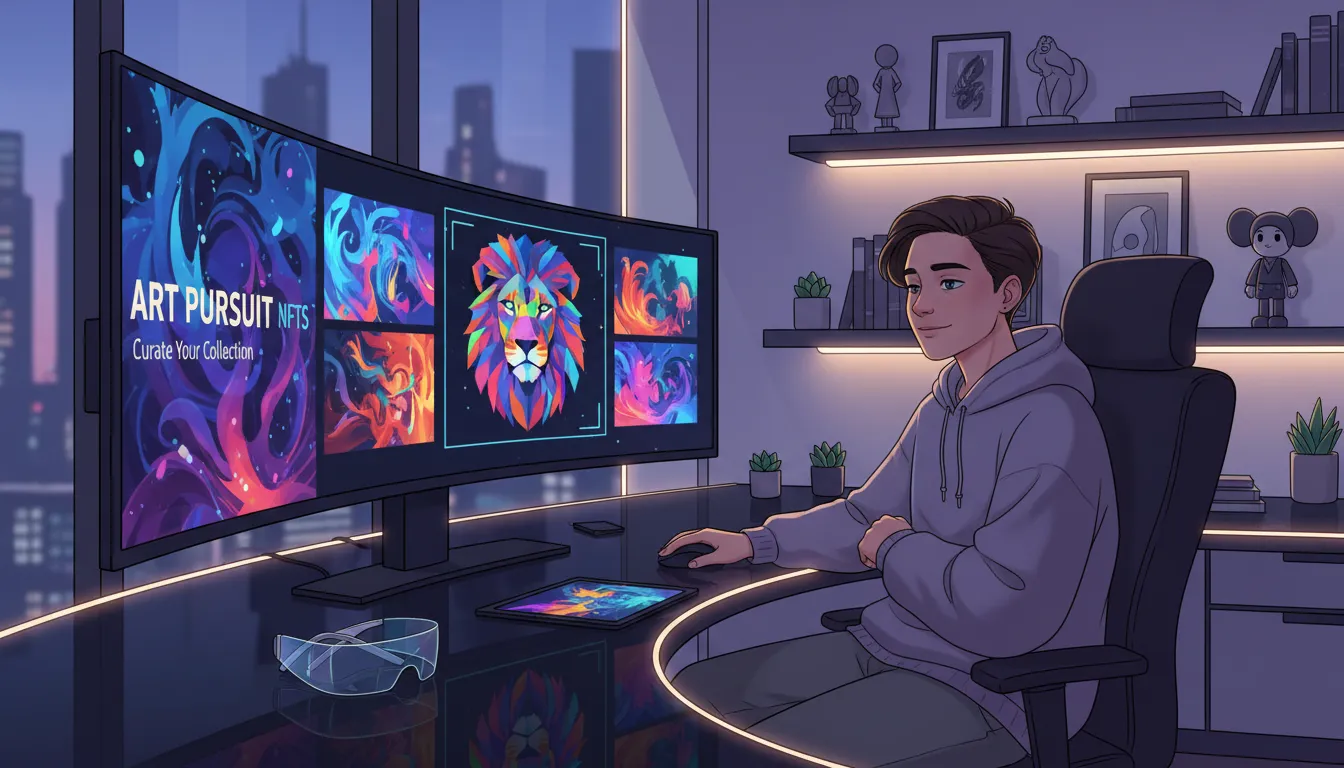
Owning NFT art, at its core, can feel like a deeply personal affair. And many of the collectors of these digital pieces are mostly in it for the love of art. NFT art collectors “display” their purchases in the form of digital frames, in VR galleries, or even on their social-media profiles, much as people hang traditional artwork in their homes or offices.
Digital Frames
Companies like Infinite Objects and Tokenframe sell physical digital frames that display NFT art, enabling collectors to display digital creations in the physical spaces around them.
Virtual Galleries
You can host or visit a gallery and on sites like OnCyber or Decentraland, and customize the space where you show off your NFTs.
For these collectors, the attraction isn’t just the art’s visual appeal, but the fact that it is a one-of-a-kind piece linked to innovation and creativity.
Backing for Artists and Creators
One of the most significant ways people use NFT art is to directly support artists and creators. Conventional art sales often include middlemen, who can take a big chunk of the profits. The NFT model, on the other hand, gives artists power, allowing them to sell directly to collectors through platforms like OpenSea, Rarible and Foundation.
And NFTs typically come with smart contracts that guarantee creators a share of any subsequent sale. This has changed the relationship of artists with their fans as it brought about a fairer revenue-generation model and direct access to the audience.
For example:
- An artist could mint a scarce edition of NFTs, offering unique benefits, like early access to new works or an invite to a private event.
- Buyers get a unique digital piece but also support a creator’s career in the long term.
Investing in NFT Art Trading
Not every NFT art owner is in it for the looks. Others view NFTs as a profitable investment. Like collectable trading cards or original art, some NFT art appreciates dramatically over time, becoming especially prized assets.
High-profile NFT sales, such as Beeple’s “Everydays” piece that sold for $69 million at Christie’s, have helped to drive that element of the market. Similarly, projects like CryptoPunks and Bored Ape Yacht Club have provided enormous returns for early supporters.
But trading NFT art as an investment is a different ballgame, one that requires an eye for trends, a deep understanding of the market and a stomach for risk, since values can rise and fall sharply.
Making NFT Art a Symbol of Social Status
Owning an NFT is also a way of signalling social status, not unlike owning a luxury watch or handbag, or a pair of limited-edition sneakers. For others, collecting and showing off high-profile NFTs is digital clout in the emerging virtual economy.
Profile Picture (PFP)
NFT fans often set their high-value NFTs as their profile pictures on social media. CryptoPunks and Bored Ape Yacht Club have turned into instantaneously recognizable status symbols online.
Community Access
Owning specific NFTs can provide access to exclusive clubs, events, perks and more. For instance, members of Bored Ape Yacht Club get exclusive access to private parties, networking events and the chance to buy NFT drops before they become available to the general public.
For those seeking community and status, NFT art is about more than having something nice to look at yourself. It’s about shared identity and membership in culturally significant groups.
Using NFT Art in the Metaverse
The emergence of the metaverse has created new avenues for NFT art. The online worlds, like Decentraland, The Sandbox or Somnium Space, let people build virtual spaces where NFTs are not just displayed but actively used as part of the environment.
For example:
- You might also use NFT art to decorate a virtual house or gallery on the Decentraland estate you own.
- Others buy land in metaverses and curate exhibitions, mixing and matching various NFTs, from art to collectable figures, that offer rich fan experiences.
Companies and brands are also diving into the metaverse to produce immersive campaigns and brand extensions supplemented with NFT art.
Licensing and Commercial Uses
Some NFT art includes built-in licensing rights that allow owners to commercially use the artwork. For example, owning an NFT from the Bored Ape Yacht Club also gives its holder rights to use the picture in commercial projects. Others have incorporated their Bored Apes into branding for merchandise or even built entire businesses around the property that their NFT demonstrates.
This licensing flexibility adds another layer of utility to NFT art: It becomes valuable beyond the mere digital.
Participation in the Digital Community
NFT art dovetails with dynamic online communities. Collectors frequently convene on platforms like Discord, Twitter and Clubhouse to talk about art, trade tips and express excitement over their collections.
These groups can serve as platforms for:
- Talk with fellow addicts.
- Learn about future trends and projects.
- Vote on community governance and decision-making for NFT projects through decentralized autonomous organizations (DAOs).
That sense of connection and being part of an NFT community is invaluably valuable to many who own it.
Utility + Innovation in Experimenting
Utility + Innovation in Experimenting with As can be expected, as Lands who were confident of success.
Finally, NFT art is serving as a laboratory for experimentation. Some artists and developers package NFTs with even more bells and whistles for added interactivity or “utility.”
For instance:
- NFTs can also be used to grant access to unique content, such as music tracks, video files and live podcasts.
- They can provide access to VIP parties or the right to vote on the project’s development.
- Interactive NFTs also grow over time or alter their appearance by engaging the user.
This fusion of art and technology enables NFT creators to experiment with methods of self-expression and to interact with audiences on a new level.
What Is Next for NFT Art
NFT art marketing is still a young and new field, and there will undoubtedly be a wide array of more sophisticated applications. Between a blockchain that continues to grow and the metaverse catching on, the place where art meets tech meets community is instantly reshaping the artistic landscape.
Whether you are a collector who wants something to look at, an investor seeking the next thing, or a noob who’s curious about owning part of the internet, NFT art has everything for you.
If you’re ready to experiment, do some research on platforms and make small purchases as practice. Who knows? Pretty soon, you could own a slice of digital art history.
Using NFT Art in the Metaverse
The metaverse introduces interactive opportunities for NFT art. Platforms like Decentraland, The Sandbox, and Somnium Space allow users to display, trade, or integrate NFTs into virtual spaces. Collectors can curate virtual galleries or decorate virtual properties with unique pieces. Brands and companies leverage NFT art in immersive campaigns, linking physical and digital experiences. NFTs can provide utility in gamified spaces or interactive environments. Metaverse integration adds experiential value, expanding the function of NFT art beyond display to participation in dynamic virtual ecosystems. This combination of aesthetics, interactivity, and ownership creates novel engagement opportunities for collectors and creators alike.
Licensing and Commercial Applications
Some NFTs include commercial usage rights, allowing owners to create merchandise, branding, or content using the artwork. For example, Bored Ape Yacht Club holders can produce merchandise or integrate NFTs into business ventures. Licensing adds utility and expands value beyond mere collection. Creators can monetize intellectual property, while holders gain flexible opportunities to profit or express creativity. This commercial functionality distinguishes NFT art from traditional collectibles, transforming ownership into a tool for entrepreneurship, content creation, and brand building. Licensing rights encourage deeper engagement, foster creativity, and provide long-term revenue potential for both artists and collectors.
Community Engagement and Governance
NFT art thrives within vibrant online communities. Collectors often join Discord, Twitter, or Clubhouse groups to discuss projects, trade tips, and share experiences. Many NFT projects utilize decentralized governance through DAOs, giving holders voting rights on decisions. Active community participation strengthens loyalty, increases retention, and promotes organic growth. Collectors contribute to project direction, engage in events, and shape ecosystem evolution. This interactive model fosters social bonds, empowers holders, and aligns community goals with creator intentions. Community engagement enhances NFT project value and ensures sustainable development beyond initial minting phases.
Utility-Driven Innovation
NFT creators experiment by integrating utility features. NFTs may unlock VIP content, live events, music tracks, or interactive experiences. Some evolve dynamically, responding to user actions or engagement. Utility adds layers of interactivity, making NFT art functional rather than purely aesthetic. This innovation attracts collectors interested in both creative expression and practical benefits. Combining art with utility supports experimental approaches to digital ownership, encouraging exploration, gamification, and a deeper connection between creators and audiences. Utility-driven NFTs often maintain higher engagement, floor prices, and cultural relevance within rapidly evolving digital ecosystems.
NFT Marketing Strategies
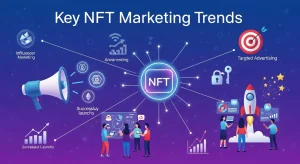
Effective NFT marketing combines storytelling, community-building, and strategic promotion. Platforms like Twitter/X, Instagram, Discord, and Medium amplify reach. Influencer partnerships, whitelist campaigns, and multi-channel content improve visibility. Highlighting rarity, utility, and long-term project vision encourages collectors to invest. Marketing should emphasize transparency, credibility, and ongoing engagement to build trust. Data analytics guide campaign optimization. Successful NFT marketing ensures that projects not only sell initially but also sustain secondary market activity, community participation, and brand reputation. Combining creativity, technical insights, and outreach is key to thriving in the competitive NFT art landscape.
Experimentation and Future Directions
NFT art continues to evolve, blending blockchain, metaverse integration, and interactive features. Artists and developers explore new formats, dynamic experiences, and experimental ownership models. The future includes enhanced interoperability across virtual worlds, augmented reality displays, and expanded commercial rights. Collectors can expect more sophisticated opportunities for display, utility, and monetization. Emerging technologies will further merge art, technology, and social interaction, redefining how digital ownership is perceived. NFT art offers an experimental frontier for creativity, investment, and engagement, promising ongoing innovation for both creators and collectors in the digital era.
Conclusion
NFT art combines creativity, technology, and community, offering personal enjoyment, investment potential, social status, and utility. Strategic marketing, licensing, and innovation ensure sustainable engagement, empowering artists and collectors in the digital era.
FAQs
1. What is NFT art?
NFT art is a unique digital asset stored on blockchain networks, representing verified ownership and authenticity. Each piece is one-of-a-kind, enabling collectors to trade, display, or invest in digital creativity securely.
2. Why purchase NFT art?
Collectors buy NFT art for enjoyment, investment potential, social status, and access to exclusive communities or perks. NFTs combine personal appreciation with financial and social value in the digital ecosystem.
3. How can I display NFT art?
NFT art can be showcased via digital frames, virtual galleries, metaverse spaces, or social media profile pictures. Displaying NFTs allows collectors to share, celebrate, and promote their digital collections publicly or privately.
4. Do NFTs benefit artists?
Yes, NFTs allow artists to sell directly, receive royalties from resales, bypass intermediaries, and engage fans. This model creates fairer income streams and strengthens connections between creators and their audience.
5. Can NFT art be an investment?
NFT art can appreciate over time like rare collectibles or fine art. However, the market is volatile, requiring research, understanding of trends, and strategic buying to maximize investment potential.
6. How does NFT art confer social status?
Owning recognized or rare NFTs signals digital prestige, community membership, and influence. High-value NFTs provide social validation and networking opportunities, making them a status symbol in the online and virtual world.
7. Can NFT art be used commercially?
Yes, some NFTs grant licensing rights, allowing holders to use artwork for merchandise, branding, marketing campaigns, or digital media projects. This adds utility and value beyond simple collection or display purposes.
8. What is the role of community in NFTs?
Communities strengthen NFT projects by fostering engagement, collaboration, governance participation, and long-term retention. Active collectors contribute ideas, support launches, and help maintain project credibility and sustained interest.
9. How is NFT art used in the metaverse?
NFTs can be displayed in virtual galleries, integrated into gamified worlds, or used as part of interactive experiences. They enhance metaverse spaces, allowing users to customize environments and engage socially with others.
10. What is utility in NFT art?
Utility provides tangible benefits to holders, such as event access, exclusive content, interactive features, voting rights, or evolving digital elements. Utility increases collector engagement, value perception, and long-term interest in the project.
11. How to market NFT art effectively?
Successful marketing uses storytelling, multi-channel promotion, influencer partnerships, and community-building strategies. Highlighting rarity, utility, and project vision drives engagement, builds credibility, and increases both primary and secondary sales.
12. What is the future of NFT art?
NFT art is evolving toward interactivity, metaverse integration, interoperability, commercial licensing, and experimental creative applications. Future projects will merge technology, community, and utility for long-term innovation and value creation.