What Is NFT Art? A Beginner’s Guide to Digital Collectibles
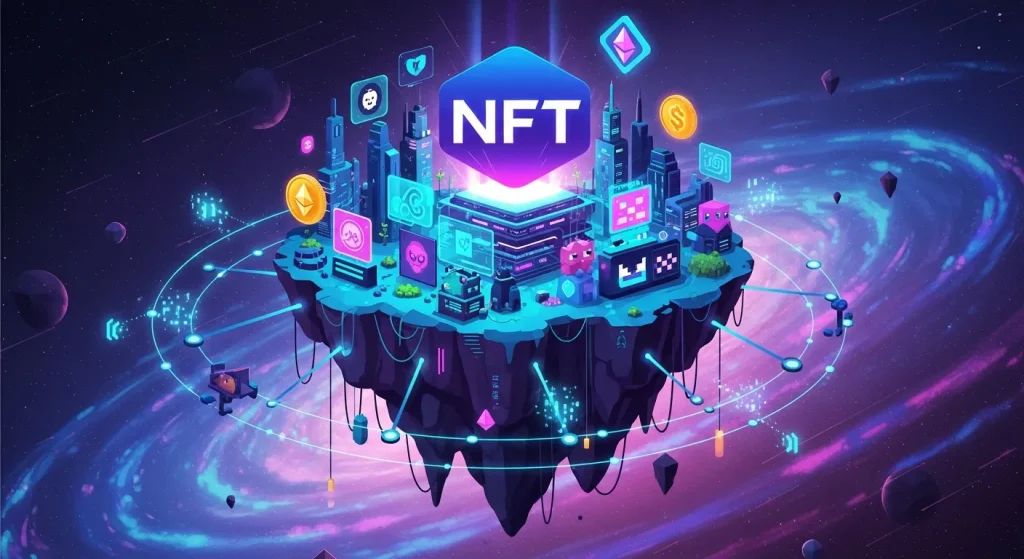
NFT art uses blockchain technology to establish ownership, authenticity, and scarcity for digital artwork. It empowers artists, enables global access, and introduces new economic models. While the market is volatile, NFT art continues evolving through innovation, sustainability, and expanding digital use cases.
NFT art has transformed the art world, creating headlines with million-dollar sales and sparking heated debates about digital ownership. But what exactly is NFT art, and why has it captured the attention of artists, collectors, and investors worldwide?
Non-Fungible Token (NFT) art represents a revolutionary way to buy, sell, and own digital artwork using blockchain technology. Unlike traditional art that exists physically, NFT art lives entirely in the digital realm while providing verifiable proof of ownership and authenticity.
This shift has reshaped how people perceive value in digital creations. For the first time, digital artists can prove originality, track ownership history, and monetize their work without relying on galleries or intermediaries. Collectors benefit from transparent records and scarcity, while investors see NFTs as a new asset class blending technology, culture, and creativity. Together, these factors have positioned NFT art as one of the most disruptive innovations in the modern art ecosystem.
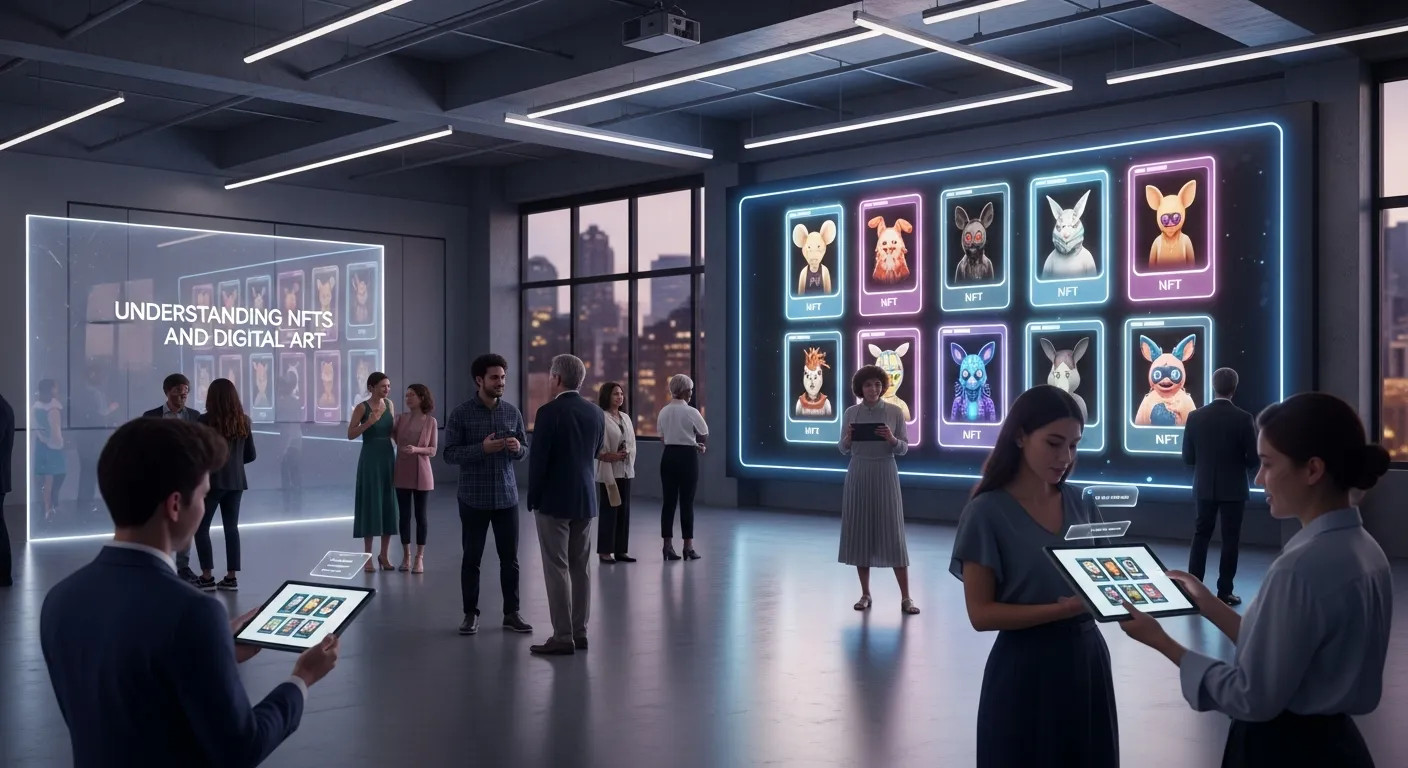
Understanding NFTs and Digital Art
What Makes an NFT “Non-Fungible”?
The term “non-fungible” refers to something that cannot be replaced or exchanged on a one-to-one basis. Unlike cryptocurrencies such as Bitcoin or Ethereum—where each unit holds the same value and can be swapped freely—every NFT is distinct, with its own unique characteristics, ownership record, and value.
A simple way to understand this is through a real-world comparison. A dollar bill is fungible because any one-dollar note can be exchanged for another without changing its worth. In contrast, a famous painting is non-fungible because it is one of a kind—no other artwork can replicate its history, meaning, or value. NFTs follow this same principle in the digital world.
How NFT Art Works
NFT art combines traditional digital art with blockchain technology. Artists create digital artwork—whether it’s a painting, photograph, animation, or interactive piece—then “mint” it as an NFT on a blockchain platform.
The minting process creates a unique digital certificate that proves ownership and authenticity. This certificate lives on the blockchain, making it nearly impossible to forge or duplicate.
The Technology Behind NFT Art
Blockchain Platforms
Most NFT art exists on the Ethereum blockchain, though other platforms like Solana, Polygon, and Tezos have gained popularity. These blockchains serve as public ledgers that record every transaction and ownership change.
When you purchase NFT art, the blockchain records your ownership. This creates a transparent history showing who created the piece, who has owned it, and when ownership changed hands.
Smart Contracts
Smart contracts power NFT transactions. These self-executing contracts automatically handle the transfer of ownership when certain conditions are met, such as payment completion.
Artists can program smart contracts to pay them royalties every time their NFT art sells to a new owner. This creates ongoing revenue streams that traditional art sales cannot provide.
Types of NFT Art
Static Digital Art
The most common type includes digital paintings, illustrations, and photographs. Artists create these pieces using traditional digital art tools, then mint them as NFTs.
Animated and Interactive Art
Some NFT art incorporates movement, sound, or user interaction. These pieces can change over time or respond to external data like weather patterns or stock prices.
Generative Art
Computer algorithms create generative NFT art using predetermined rules and random variables. Famous collections like CryptoPunks and Bored Ape Yacht Club use this approach to create thousands of unique variations.
Profile Picture (PFP) Collections
These collections feature thousands of unique characters or avatars that owners use as social media profile pictures. They often serve as membership tokens for exclusive communities.
Why People Buy NFT Art
Digital Ownership and Authenticity
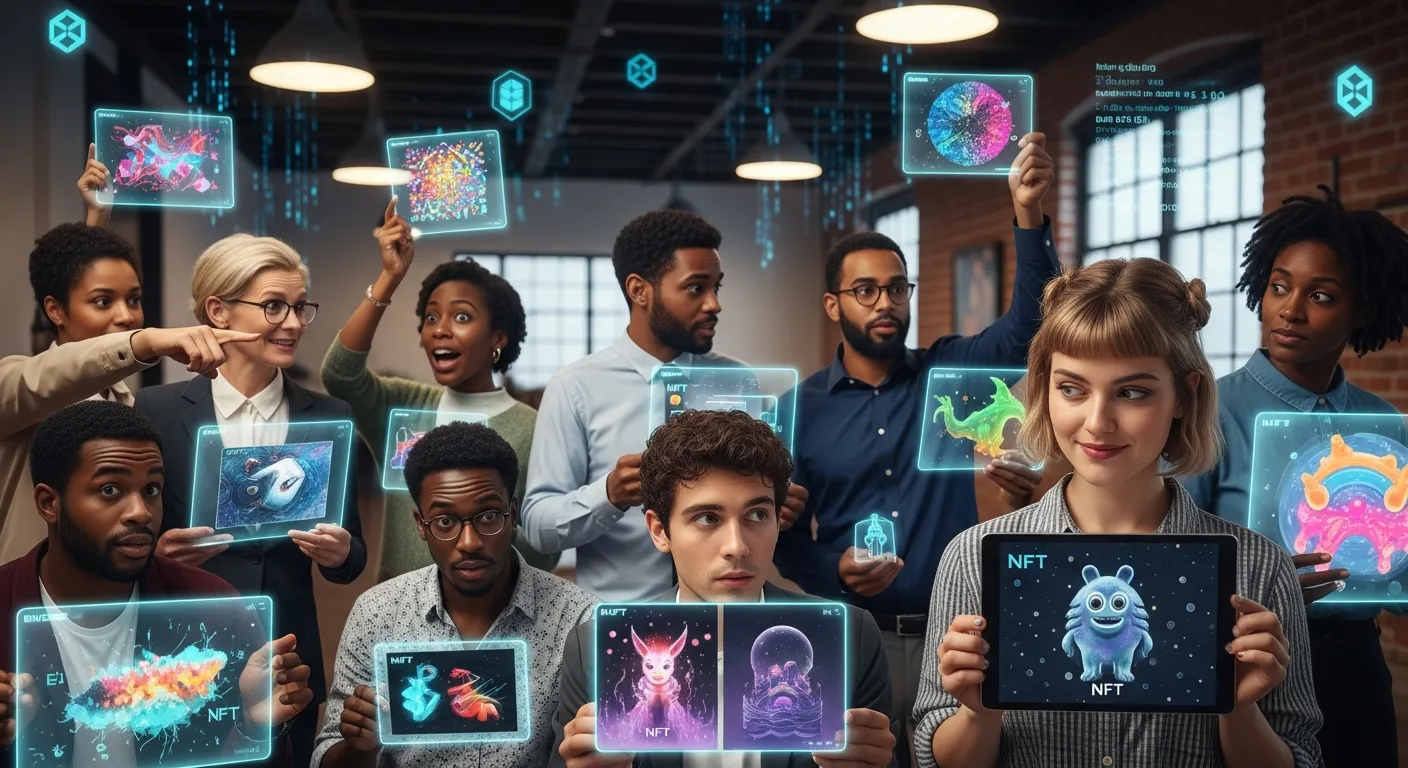
NFT art provides verifiable proof of ownership for digital files. While anyone can save a copy of the image, only one person owns the original NFT and its associated rights.
Supporting Artists
Many collectors purchase NFT art to support digital artists directly. The blockchain technology allows artists to receive fair compensation without intermediaries taking large commissions.
Investment Potential
Some buyers view NFT art as an investment opportunity. Certain pieces have appreciated significantly in value, though the market remains highly volatile and speculative.
Community Access
Many NFT collections provide access to exclusive communities, events, or additional benefits. Owners might receive special privileges, future airdrops, or membership in elite groups.
How to Buy NFT Art
Setting Up a Digital Wallet
First, you’ll need a cryptocurrency wallet that supports NFTs. Popular options include MetaMask, Coinbase Wallet, and Trust Wallet. These wallets store your cryptocurrency and NFTs securely.
Purchasing Cryptocurrency
Most NFT marketplaces require payment in cryptocurrency, typically Ethereum (ETH). You can buy cryptocurrency through exchanges like Coinbase, Binance, or directly through some wallet applications.
Choosing a Marketplace
Several platforms facilitate NFT art sales:
OpenSea serves as the largest general NFT marketplace, featuring art from thousands of creators across various price ranges.
SuperRare focuses on high-quality digital art from curated artists, positioning itself as a premium platform for serious collectors.
Foundation operates on an invite-only model for artists, creating an exclusive environment for discovering emerging talent.
Nifty Gateway partners with established artists and brands to release limited-edition collections, often featuring famous creators.
Creating and Selling NFT Art
For Artists Getting Started
Artists can create NFT art using any digital creation tool, from Adobe Photoshop to specialized 3D software. The key is producing original, high-quality work that resonates with potential collectors.
The Minting Process
Minting involves uploading your artwork to an NFT platform and paying a fee to create the blockchain record. Some platforms allow “lazy minting,” where the NFT is created only when someone purchases it, reducing upfront costs.
Pricing Your Work
New artists often start with lower prices to build a collector base and reputation. Factors affecting price include artistic quality, uniqueness, artist reputation, and current market demand.
Common Misconceptions About NFT Art
“I Can Just Screenshot It”
While anyone can save a copy of NFT art, they don’t own the original or its associated rights. It’s similar to buying a poster of the Mona Lisa versus owning the actual painting.
“It’s Just a Fad”
Though NFT markets have cooled from their 2021 peaks, the technology continues evolving. Many artists and platforms are building sustainable ecosystems focused on artistic merit rather than speculation.
“It’s Bad for the Environment”
Early NFT platforms used energy-intensive blockchain systems. However, many platforms now use more efficient technologies or carbon-neutral alternatives, significantly reducing environmental impact.
The Future of NFT Art
Emerging Technologies
Virtual and augmented reality are creating new possibilities for immersive NFT art experiences. Artists can create pieces that exist in virtual galleries or overlay onto the real world through AR applications.
Integration with Physical Art
Some artists combine physical artwork with NFT certificates, creating hybrid pieces that bridge digital and traditional art worlds.
Utility and Functionality
Future NFT art might include additional functionality beyond visual appeal, such as access to exclusive content, voting rights in community decisions, or integration with virtual worlds and games.
Accessibility and Global Inclusion
NFT art removes geographic and financial barriers. Artists from any region can reach global buyers instantly. Blockchain payments bypass traditional banking limitations, promoting financial inclusion. This accessibility makes the NFT art world more diverse than traditional art markets. Global participation enriches creativity and innovation.
Educational Growth Around NFT Art
As NFTs mature, education plays a vital role. Tutorials, courses, and communities help users understand technology, risks, and best practices. Education reduces scams and misinformation. Knowledge-driven growth strengthens trust and long-term adoption within the NFT ecosystem.
Long-Term Outlook for NFT Art
NFT art continues evolving beyond speculation. Integration with gaming, virtual worlds, and digital identity suggests long-term relevance. As utility expands, NFTs may become standard tools for digital ownership. Sustainable projects focused on creativity and technology are likely to define the future of NFT art.
Getting Started With NFT Art
Whether you’re interested in collecting or creating NFT art, start by exploring existing collections and understanding what appeals to you. Join NFT communities on social media platforms to learn from experienced collectors and artists.
For collectors, begin with smaller purchases to understand the process and market dynamics. For artists, focus on creating authentic work that reflects your unique style and vision rather than chasing trends.
NFT art represents a significant shift in how we think about digital ownership and artistic value. While the market continues maturing, the technology provides new opportunities for artists to monetize their work and for collectors to own verifiable digital assets.
The key to success in the NFT art space lies in understanding both the technology and the artistic merit behind each piece, making informed decisions based on personal interest rather than pure speculation.
Conclusion
NFT art has fundamentally changed how digital creativity is owned, valued, and exchanged. By combining blockchain transparency with artistic expression, NFTs empower creators and provide collectors with verifiable ownership. While challenges such as market volatility, environmental concerns, and evolving regulations remain, the ecosystem is steadily adapting through more efficient technologies and clearer frameworks.
As platforms mature and use cases expand beyond speculation into utility, community access, and creative innovation, NFT art is moving toward long-term sustainability. Rather than a passing trend, it represents a lasting structural shift in the digital art economy—one that continues to redefine how art is created, shared, and monetized in the digital age.
Frequently Asked Questions (FAQs)
1. What is NFT art?
NFT art refers to digital artwork that is authenticated and stored on a blockchain. Each piece is represented by a non-fungible token (NFT), which serves as proof of ownership and authenticity. This allows digital art to be bought, sold, and collected securely without the risk of duplication or forgery.
2. Why are NFTs unique?
NFTs are unique because each token has a distinct blockchain identifier that cannot be replicated or exchanged on a one-to-one basis. This uniqueness ensures that every NFT represents a specific digital asset with its own ownership history and value.
3. Can NFT art be resold?
Yes, NFT art can be resold on secondary marketplaces. Owners are free to list their NFTs for sale, trade them, or transfer ownership. All resale transactions are recorded on the blockchain, ensuring transparency and traceability.
4. Do artists earn royalties from NFT art?
Yes, artists can earn royalties through smart contracts embedded in NFTs. These contracts automatically pay creators a percentage each time their artwork is resold, creating ongoing revenue opportunities beyond the initial sale.
5. Is NFT art secure?
NFT ownership is highly secure due to blockchain technology. However, users must protect their digital wallets, private keys, and login credentials. Wallet security is essential to prevent unauthorized access or asset loss.
6. Can anyone create NFT art?
Yes, anyone can create NFT art using digital creation tools and an NFT-compatible platform. Artists can mint their work by uploading it to a marketplace and converting it into a blockchain-based token.
7. Are NFTs only for investors?
No, NFTs are not limited to investors. Artists use NFTs to monetize their work, while collectors purchase NFTs for personal enjoyment, community access, or cultural significance—not just financial returns.
8. Do NFTs include copyright ownership?
Not automatically. Purchasing an NFT usually grants ownership of the token, not the copyright. Copyright terms vary by project and must be clearly stated by the creator or platform.
9. Is NFT art environmentally harmful?
Earlier NFT platforms were energy-intensive, but many modern blockchains now use eco-friendly and energy-efficient technologies. These advancements have significantly reduced the environmental impact of NFT transactions.
10. Are NFTs legal?
Yes, NFTs are legal in most countries, but regulations vary depending on location. As governments continue to develop digital asset policies, legal frameworks around NFTs are becoming clearer and more structured.
11. Can NFTs lose value?
Yes, NFTs can lose value due to market volatility, shifting trends, or reduced demand. Prices fluctuate based on factors such as artist reputation, community strength, and overall market conditions.
12. Is NFT art the future of digital art?
Many experts believe NFT art will remain a significant part of the digital art ecosystem. While the market continues to evolve, blockchain-based ownership and creator empowerment suggest long-term relevance.