NFT Art Marketing: Complete Guide for Artists
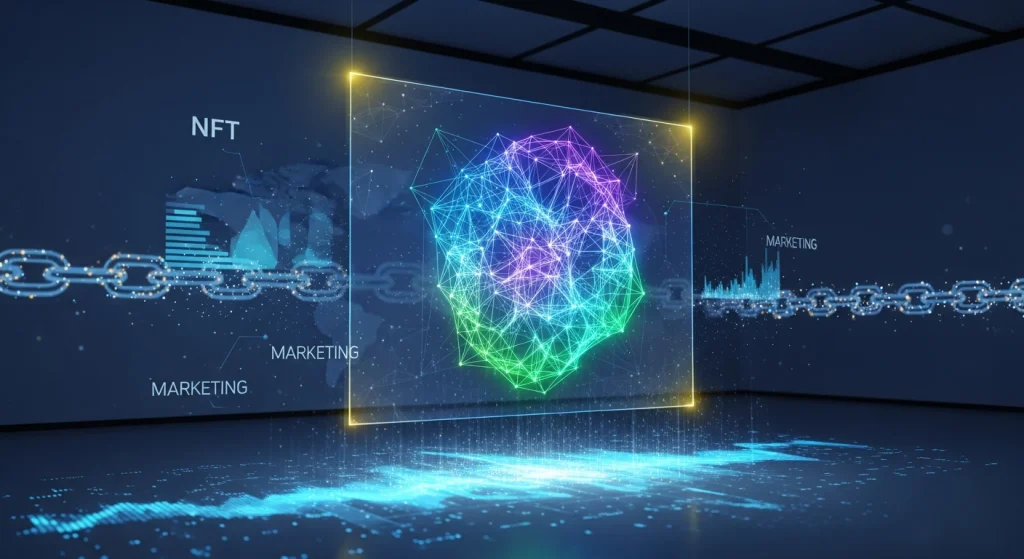
NFT artists succeed by blending creativity with strategy. Building a strong brand, engaging communities, choosing the right platforms, pricing smartly, leveraging social media, and fostering authenticity drives demand, collector loyalty, and long-term success in the fast-moving NFT art market.
NFTs are transforming the digital art landscape, offering artists unprecedented ways to monetize creativity. However, creating exceptional digital artwork is only half the journey. Successful NFT artists understand that market recognition, branding, community engagement, and strategic promotion are critical for turning art collections into profitable ventures. This guide explores every essential aspect of marketing NFT art marketing—from understanding the unique dynamics of the NFT market to building a loyal collector base, choosing platforms, leveraging social media, and optimizing releases for maximum impact.
Understanding the NFT Art Marketing
The NFT art market operates differently from traditional art spaces. Buyers prioritize emotional connection, perceived value, and whether artwork complements their digital identity. Unlike galleries, NFT drops can sell out within minutes, and trends shift rapidly. Community influence is strong: collectors often act on recommendations from trusted voices. Transparency is also expected—buyers want insight into your creative process, motivations, and artistic journey. Understanding these dynamics helps artists position themselves strategically, create demand, and foster trust among collectors. Recognizing that speed, visibility, and reputation matter can give you a competitive edge in this fast-moving environment.
Building Your Artist Brand
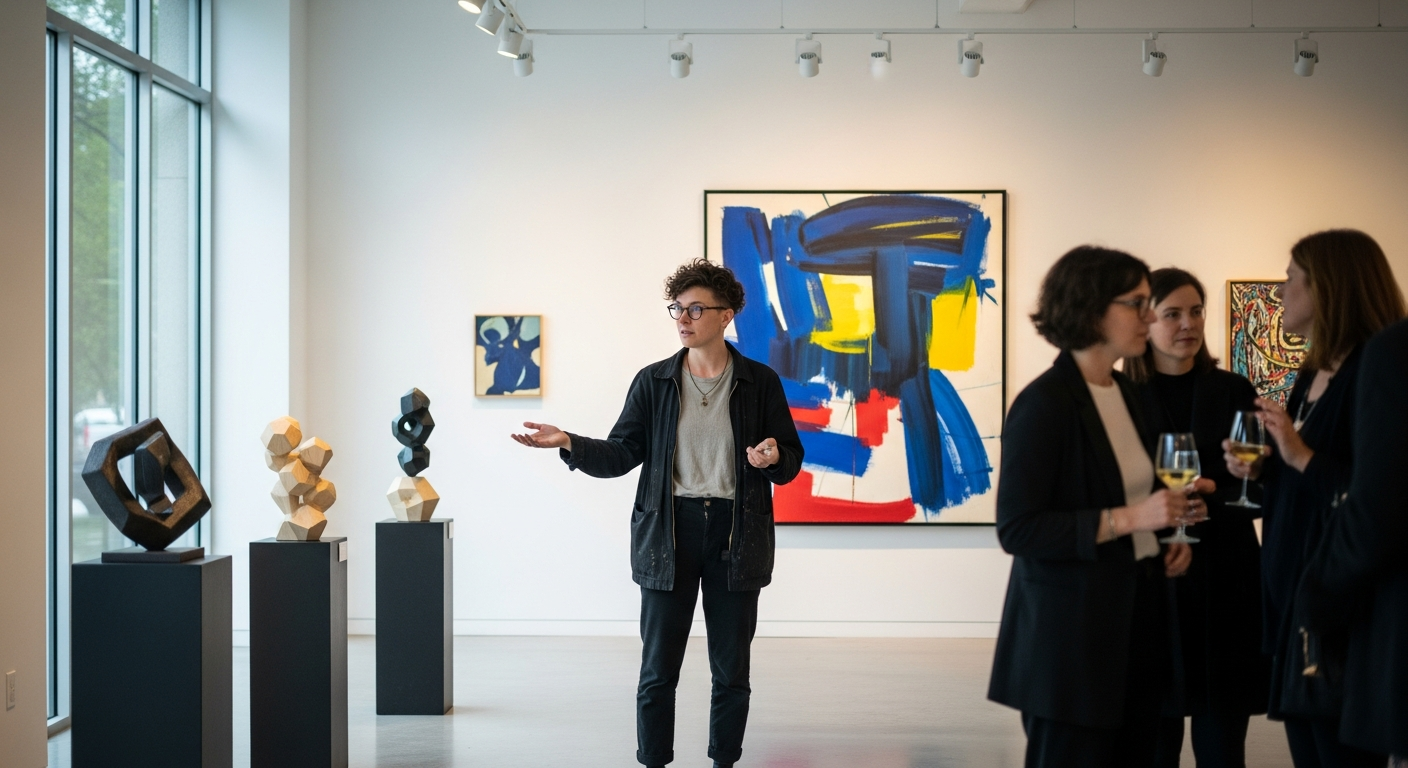
An NFT artist’s brand combines visual identity, storytelling, and values. A consistent and recognizable brand builds emotional connections with collectors and strengthens credibility. Visual identity encompasses your unique artistic style, platform presentation, and documentation of the creative process. Storytelling should communicate why you create NFT art, your personal beliefs, and the narrative behind your collections. Together, these elements make your art recognizable and memorable. A well-crafted brand differentiates you from countless creators, helping collectors feel a personal connection to your work while encouraging long-term engagement and repeat purchases.
Choosing NFT Marketplaces
Selecting the right platforms is crucial for reaching your ideal audience. Major NFT marketplaces include:
- OpenSea: Large audience, multi-blockchain support.
- Foundation: Curated collections and high-quality art.
- SuperRare: Focus on 1/1 pieces with strong community engagement.
Specialized platforms like KnownOrigin and Async Art cater to niche audiences. Artists should balance exposure across platforms, understanding where their work will resonate most. Platform choice affects visibility, sales potential, and audience engagement. Matching your collection with the right marketplace ensures your art reaches collectors likely to value and invest in it.
Leveraging Social Media Marketing
Social media is essential for promoting NFT art. Key strategies:
- Twitter: Engage with art communities, use hashtags, and participate in Twitter Spaces for deeper interactions.
- Instagram: Share high-quality visuals, reels, and stories; use shopping tags to facilitate sales.
- Discord: Build dedicated collector communities, offer exclusive updates, and host events.
Active social media presence strengthens your relationship with collectors, amplifies drops, and increases visibility. Consistent posting, authentic engagement, and transparency are critical to building trust and growing a loyal following.
Building Community and Participation
NFT collectors value community engagement. Respond to comments, acknowledge purchases, and interact authentically. Collaborate with other artists on co-drops or group exhibitions to expand reach. Hosting AMAs, contests, or art challenges encourages participation. Creating a vibrant community establishes credibility, spreads word-of-mouth, and enhances long-term collector loyalty. By fostering genuine engagement, your art becomes part of a larger movement rather than just individual transactions.
Pricing NFT Art Marketing
Pricing requires market research and strategy. Analyze similar artists’ pricing and account for time, effort, and platform fees. Dynamic pricing—starting low, scaling with demand, or using limited editions—creates scarcity and drives interest. Consider auctions, tiered releases, or loyalty programs to incentivize early adoption and collector engagement. Strategic pricing helps balance accessibility with perceived value, encouraging both new and repeat collectors.
Creating Scarcity and Demand
Limited editions and exclusivity generate excitement. Clearly communicate the availability of your pieces and provide tiered access for loyal collectors. Exclusive access programs or allow lists reward early supporters and create anticipation for drops. Scarcity enhances perceived value and encourages timely purchases, helping your collection maintain momentum in competitive markets.
Collaborating with Influencers and Brands
Partnering with NFT influencers and complementary brands amplifies exposure. Micro-influencers with engaged followings can introduce your work to relevant audiences, while brand collaborations—such as joint drops or special events—expand reach and credibility. Authentic partnerships that align with your artistic values strengthen trust and support long-term market growth.
Timing Your NFT Releases
Strategic timing can impact success. Avoid major market downturns and consider seasonal trends, events, and community engagement cycles. Maintain consistency between drops and allow sufficient promotion time. Well-timed releases increase visibility, engagement, and sales potential, while poorly timed launches risk being overlooked.
Understanding NFT Collectors’ Psychology
NFT collectors don’t buy art based on visuals alone. Many purchasing decisions are influenced by emotional resonance, social signaling, exclusivity, and perceived future value. Collectors often see NFTs as extensions of their digital identity—used in profiles, metaverses, or online communities. Artists who understand this psychology can design collections that align with collector motivations, such as belonging, status, or long-term belief in an artist’s vision. Addressing these emotional drivers in your storytelling and marketing significantly increases conversion and loyalty.
Using Storytelling to Increase NFT Value
Strong narratives elevate NFT art beyond aesthetics. Storytelling can include the inspiration behind a collection, world-building elements, character lore, or personal journeys. When collectors feel part of an unfolding story, they are more likely to invest emotionally and financially. Serialized drops, evolving collections, and unlockable content tied to stories can also increase engagement and secondary market interest.
Leveraging Utility to Strengthen NFT Demand
Utility-focused NFTs offer benefits beyond ownership. These may include access to private communities, future airdrops, voting rights, physical merchandise, or event invitations. Adding clear and realistic utility increases perceived value and encourages long-term holding. Even simple utilities—such as early access or behind-the-scenes content—can significantly improve demand when communicated transparently.
Managing Reputation and Trust in Web3
Reputation is currency in the NFT ecosystem. Transparency around roadmaps, pricing, supply, and creator intentions builds credibility. Consistent communication, honoring commitments, and addressing community concerns openly reduce skepticism. Artists who prioritize trust often benefit from organic advocacy, repeat collectors, and resilience during market downturns.
Navigating Market Volatility as an NFT Artist
NFT markets are highly cyclical. Prices, demand, and trends can shift rapidly due to broader crypto conditions. Successful artists prepare for volatility by focusing on long-term brand building rather than short-term hype. Maintaining engagement during slow periods, adjusting drop sizes, and diversifying platforms help stabilize income and protect reputation.
Scaling Your NFT Career Beyond Single Drops
Long-term success in the NFT space requires artists to think beyond one-off drops and short-term hype. Sustainable growth is built by developing a scalable creative ecosystem rather than relying solely on individual releases. Launching multiple collections over time allows artists to explore evolving themes, attract new collectors, and retain existing supporters through continuity and storytelling.
Many artists are also expanding by forming artist DAOs, which empower collectors to participate in governance, funding decisions, and future project directions. This shared ownership model strengthens community loyalty while distributing creative and operational responsibilities. Licensing NFT artwork for games, merchandise, or digital media opens additional revenue streams and extends the lifespan of artistic assets beyond marketplaces.
Metaverse partnerships present another growth avenue, enabling artists to showcase work in virtual galleries, events, and immersive experiences. These collaborations enhance visibility while aligning art with interactive digital environments. Additionally, transitioning into Web3 brand collaborations allows artists to work with companies seeking authentic blockchain-native creators.
By treating NFT art as both a creative expression and a scalable business model, artists can diversify income, reduce risk, and build long-term relevance in an evolving digital economy.
Measuring Success and Iterating
Track key metrics such as sales volume, engagement, collector growth, and community participation. Collect feedback to refine your approach and adapt pricing, promotion, or content strategies. Test smaller drops before scaling to larger launches. Iterative improvement ensures sustainable growth and long-term success in the NFT art market.
Your Path to NFT Art Success
Marketing NFT art requires blending creativity with strategy. Focus on authentic community engagement, consistent quality, and clear communication. Build a recognizable brand, leverage social media effectively, price strategically, and collaborate with partners to expand reach. Patience, persistence, and genuine relationships often outweigh quick success. Artists who balance creativity with market understanding position themselves for lasting success in the NFT ecosystem.
Conclusion
Marketing NFT art is a long-term journey that blends creativity, strategy, and community engagement. While technical skills and artistic quality remain essential, the most successful NFT artists are those who invest time in storytelling, transparency, and relationship-building. By choosing the right platforms, leveraging social media effectively, pricing your work thoughtfully, and fostering genuine connections with collectors, you create more than just sales—you build a brand.
Frequently Asked Questions (FAQs)
1. What is NFT art?
NFT art refers to digital artwork that is minted as a Non-Fungible Token on a blockchain. This process creates a unique, verifiable record of ownership, authenticity, and transaction history. Unlike regular digital files, NFT art cannot be duplicated or altered, making each piece one of a kind or part of a limited edition.
2. How is NFT art different from traditional digital art?
Traditional digital art can be copied endlessly without proof of originality. NFT art, however, introduces blockchain-verified ownership, built-in scarcity, and smart contracts that allow artists to earn resale royalties automatically whenever their work is sold in the secondary market.
3. Do I need to be a well-known artist to succeed with NFTs?
No, recognition is not a requirement. Many NFT artists achieve success by building communities, sharing their creative journey, and engaging authentically with collectors. Consistency, storytelling, and trust often matter more than prior fame.
4. Which NFT marketplace is best for beginners?
OpenSea is widely considered beginner-friendly due to its large user base, simple minting process, and support for multiple blockchains. However, curated platforms like Foundation or SuperRare may be better suited for artists seeking exclusivity and higher-end collectors.
5. How important is community in NFT art sales?
Community plays a vital role in NFT success. Collectors often support artists they connect with emotionally and trust long-term. Active engagement, transparency, and participation in conversations help build loyalty and repeat buyers.
6. How should I price my first NFT collection?
Begin with accessible pricing to attract early collectors. Research similar artists, consider your time and effort, and factor in platform fees. As demand grows, you can gradually increase prices or experiment with auctions and limited editions.
7. What role does social media play in NFT marketing?
Social media is essential for visibility and growth. Platforms like Twitter, Instagram, and Discord help artists showcase work, share stories, announce drops, and interact directly with collectors. Strong social presence often drives organic demand.
8. How do I create scarcity for my NFT art?
Scarcity can be created through limited editions, 1/1 artworks, timed releases, and exclusive access for loyal collectors. Clearly communicating supply limits increases perceived value and encourages faster purchasing decisions.
9. Are collaborations useful for NFT artists?
Yes. Collaborations with other artists, influencers, or brands help expand reach, introduce new audiences, and enhance credibility. Co-drops and group exhibitions are effective ways to grow visibility within the NFT ecosystem.
10. How often should I release new NFT drops?
Quality and consistency matter more than frequency. Releasing too often can reduce demand, while spacing drops allows time for promotion, storytelling, and community engagement.
11. What metrics should NFT artists track?
Important metrics include sales volume, floor price, wallet distribution, social engagement, community growth, and repeat collectors. These insights help refine marketing strategies and improve future drops.
12. Can NFT art provide long-term income?
Yes. NFT art can generate ongoing income through secondary market royalties, loyal collector support, and brand collaborations. Artists who focus on sustainability, value creation, and community building are more likely to achieve long-term success.