NFT Market Platform Development Guide for Web3 Businesses
Discover how an NFT market platform works, from blockchain technology and smart contracts to marketplace features, security, monetization, and multi-chain support. Learn how to build, scale, and market NFT marketplaces while exploring trends, compliance challenges, and future Web3 opportunities.
Digital ownership has fundamentally changed the way creators and buyers interact on the internet. Non-fungible tokens, or NFTs, have moved from obscure technological experiments to mainstream assets. This shift requires robust digital infrastructure to support the buying, selling, and trading of these unique digital items.
At the center of this ecosystem is the NFT market platform. These digital marketplaces act as the bridge between creators minting new digital assets and collectors seeking to acquire them. Understanding how these platforms operate, the underlying technology that powers them, and the features users demand is crucial for anyone looking to enter the Web3 space.
What Exactly is an NFT Market Platform?
An NFT market platform is a decentralized application (dApp) or website that facilitates the storage, display, trading, and minting of non-fungible tokens. Think of it as an e-commerce store specifically designed for digital assets like art, music, virtual real estate, and gaming items.
Because NFTs are cryptographic tokens representing unique items on a blockchain, the marketplaces that handle them must interface directly with blockchain networks. This allows users to prove ownership and transfer assets securely without relying on a traditional central authority.
The Role of Blockchain Technology
A blockchain serves as the public ledger for an NFT market platform. Every transaction, creation, and transfer is recorded permanently and transparently. This underlying technology ensures that digital items cannot be duplicated or destroyed, preserving their scarcity and value.
Smart Contracts Explained
Smart contracts are self-executing programs stored on a blockchain. On an NFT market platform, smart contracts handle the heavy lifting. They manage the minting process, execute trades when specific conditions are met, and automatically distribute royalties to creators whenever their work is resold on the secondary market.
Core Features Every NFT Platform Needs

Building a successful marketplace requires a deep understanding of user needs. A platform must be intuitive for beginners while offering advanced tools for experienced traders. Here are the essential features that make up a functional NFT market platform.
Intuitive User Storefronts
The storefront is the face of your NFT market platform. It provides users with all the necessary information about a digital asset. A well-designed storefront displays the item’s title, price history, creator information, owner details, and the specific smart contract address.
Advanced Search and Filtering
With thousands of digital assets available, users need efficient ways to find exactly what they want. Implementing robust search functionalities allows buyers to filter NFTs by category, collection, price range, blockchain network, and listing status. Sorting options help users navigate massive collections seamlessly.
Seamless Digital Wallet Integration
Users must connect a crypto wallet to interact with an NFT market platform. Wallets store the private keys necessary to authorize transactions and hold cryptocurrency for purchases. Supporting a wide range of popular wallets, such as MetaMask, Coinbase Wallet, and WalletConnect, significantly improves accessibility and user onboarding.
The Minting Process
Minting is the act of publishing a unique digital asset on the blockchain. A top-tier NFT market platform provides a frictionless minting process for creators. This involves uploading the digital file, adding metadata (like descriptions and traits), setting a price, and programming royalty percentages into the smart contract.
Popular Blockchains for NFT Marketplaces
The choice of blockchain dictates the speed, security, and transaction costs associated with an NFT market platform. Developers must choose networks that align with their target audience and project goals.
Ethereum and Its Dominance
Ethereum remains the most widely used blockchain for NFTs. Its established network and highly secure infrastructure make it the go-to choice for high-value digital art and prominent collections. However, network congestion can lead to high transaction fees, commonly known as gas fees, which might deter casual users.
Polygon as a Scaling Solution
Polygon operates as a Layer 2 scaling solution for Ethereum. It provides the security benefits of the Ethereum mainnet while offering drastically lower gas fees and faster transaction speeds. Many platforms integrate Polygon to offer a more affordable trading experience for users.
Solana for Speed and Low Fees
Solana is a high-performance blockchain known for its incredible speed and negligible transaction costs. An NFT market platform built on Solana can process thousands of transactions per second. This makes it highly attractive for gaming platforms and projects that require high-volume, low-cost trading.
Different Types of NFT Market Platforms
The NFT ecosystem is vast, leading to the creation of various marketplace types tailored to specific audiences.
Universal Marketplaces
Universal platforms host a wide variety of NFTs, ranging from digital art and domain names to trading cards and virtual worlds. These marketplaces attract a massive user base by acting as a one-stop shop for all things related to non-fungible tokens.
Niche and Art-Focused Platforms
Niche platforms cater to specific communities. High-end digital art marketplaces often employ a curation process, requiring artists to apply before they can mint their work. This ensures a high standard of quality and attracts serious collectors willing to invest in premium pieces.
Gaming and Virtual Real estate
Blockchain gaming heavily utilizes NFTs for in-game assets like weapons, skins, and characters. Specialized marketplaces allow gamers to buy, sell, and trade these assets outside of the game environment. Similarly, virtual real estate platforms facilitate the trading of land parcels within metaverse projects.
How to Launch Your Own NFT Marketplace
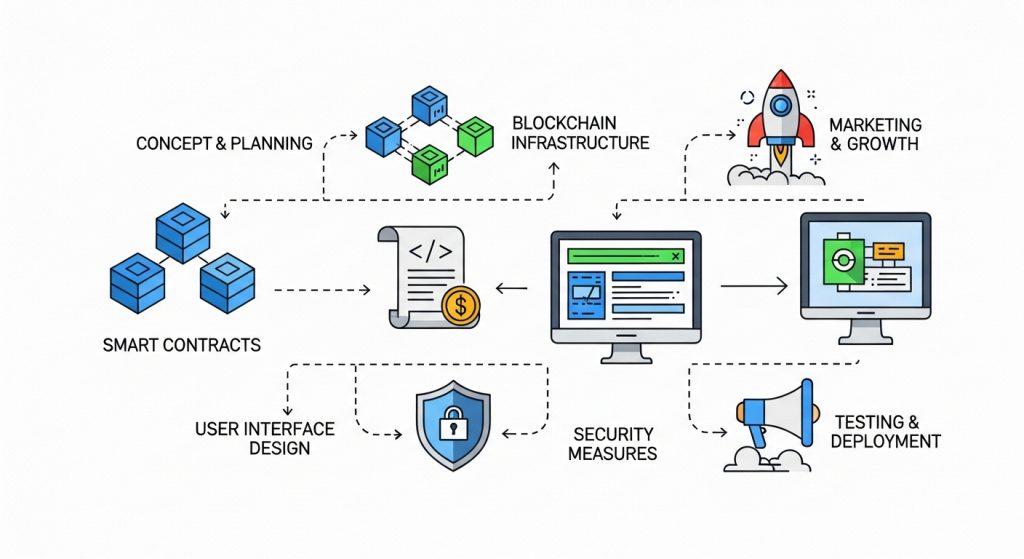
Entering the Web3 space with a new platform requires careful planning and execution. The development process involves several critical phases.
Defining Your Target Audience
Identify the specific niche your platform will serve. Are you targeting digital artists, musicians, or gamers? Understanding your audience helps shape the platform’s design, feature set, and marketing strategy.
Choosing the Right Technology Stack
Selecting the appropriate tech stack is vital for performance and scalability. This includes choosing the blockchain network, decentralized storage solutions (like IPFS) for hosting digital files, and front-end frameworks (like React or Vue.js) to build the user interface.
UI/UX Design Considerations
A seamless user experience is paramount. The platform should guide users naturally through the process of connecting a wallet, browsing assets, and completing transactions. Clear navigation and a visually appealing design build trust and encourage user retention.
Smart Contract Development and Auditing
The smart contracts are the backbone of your marketplace. Experienced blockchain developers must write secure, efficient code to handle transactions. Once the code is written, third-party security audits are necessary to identify and fix vulnerabilities before the platform goes live.
Security Measures for NFT Platforms
Security breaches can destroy a platform’s reputation overnight. Implementing stringent security protocols protects both the platform and its users.
Protecting User Data and Funds
While the blockchain secures the tokens, the platform’s database and front-end must also be protected against traditional web vulnerabilities like SQL injection and cross-site scripting (XSS). Regular security testing helps maintain a secure environment.
Preventing Fraud and Wash Trading
Wash trading occurs when a user buys and sells the same asset to create a false impression of demand and artificially inflate its price. Advanced analytics and monitoring tools can help detect suspicious trading patterns and protect genuine buyers from market manipulation.
NFT Marketplace Revenue Models

A successful NFT market platform needs a strong monetization strategy to remain sustainable. Most marketplaces earn through transaction fees charged on primary and secondary sales, while others generate income from listing fees, premium memberships, featured placements, or creator subscriptions. Some platforms also use royalty-sharing models or offer white-label solutions for additional revenue. Choosing the right business model depends on your audience, niche, and long-term growth strategy. Understanding revenue streams is essential for entrepreneurs planning to launch an NFT market platform that is profitable, scalable, and capable of competing in the fast-evolving Web3 ecosystem.
Multi-Chain and Cross-Chain NFT Marketplaces
As blockchain adoption expands, many users expect support for multiple networks within one NFT market platform. Multi-chain marketplaces allow trading across blockchains such as Ethereum, Polygon, and Solana, giving users greater flexibility. Cross-chain interoperability can improve liquidity, reduce dependency on a single network, and expand marketplace reach. It also enables creators to access broader audiences and lower transaction costs. While implementation can be complex, supporting multiple chains has become a major competitive advantage. For developers building modern NFT platforms, interoperability is increasingly viewed as a core feature rather than an optional upgrade.
Challenges in NFT Marketplace Development
Building an NFT market platform involves more than launching a trading interface. Developers face challenges related to scalability, fluctuating gas fees, smart contract vulnerabilities, copyright disputes, and onboarding non-technical users. Market liquidity can also be difficult to establish for newer platforms. Fraud prevention, user trust, and evolving blockchain standards add further complexity. Addressing these challenges early through proper planning, technical expertise, and security-first development reduces risk significantly. Understanding common obstacles in NFT marketplace development helps businesses create stronger products, avoid costly mistakes, and build platforms that can adapt to long-term market changes.
Emerging Trends in NFT Market Platforms
Innovation continues reshaping the NFT market platform landscape. Dynamic NFTs, AI-generated digital assets, fractional ownership, and social-driven marketplaces are gaining momentum. Metaverse integration is also expanding how NFTs are bought, sold, and used beyond collectibles. Some marketplaces now focus on utility-based NFTs tied to memberships, ticketing, and digital identity. Others explore gamified experiences and community governance through decentralized models. Tracking these emerging trends helps businesses stay ahead of industry shifts and identify opportunities for innovation. For anyone entering Web3, understanding where NFT marketplaces are heading can shape smarter product and investment decisions.
Legal and Compliance Considerations
Legal compliance is becoming a critical component of every NFT market platform. Issues involving intellectual property rights, copyright ownership, taxation, and anti-money laundering requirements can affect both operators and users. Some jurisdictions may also impose KYC obligations or classify certain digital assets under evolving securities regulations. Clear marketplace policies, creator verification systems, and legal safeguards help reduce disputes and improve trust. Ignoring compliance can create serious operational risks over time. By addressing legal considerations early, NFT marketplace owners can strengthen credibility, protect users, and create a more sustainable foundation for long-term growth in Web3.
NFT Marketplace Marketing and User Growth
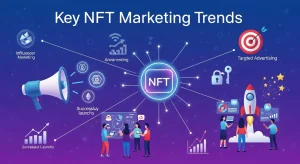
Launching an NFT market platform is only the beginning; attracting users is equally important. Effective growth strategies often combine community building, creator partnerships, content marketing, SEO, social media engagement, and Web3-native promotion through Discord or token incentives. Strong user acquisition campaigns help bring in collectors while creator-focused initiatives increase marketplace supply. Referral programs and loyalty rewards can further improve retention. A well-planned marketing strategy supports liquidity, boosts visibility, and drives sustainable growth. In a competitive NFT ecosystem, platforms that prioritize both technology and user growth often have a stronger chance of long-term success.
Frequently Asked Questions (FAQ) About NFT Marketplaces
1. What is an NFT market platform?
An NFT market platform is a digital marketplace where users can create, buy, sell, and trade non-fungible tokens. These platforms connect creators and collectors while using blockchain technology to verify ownership, manage transactions, and support secure transfers of digital assets.
2. How does an NFT marketplace work?
An NFT marketplace works by integrating blockchain networks, smart contracts, and digital wallets. Users connect wallets, browse listings, mint assets, place bids, or purchase NFTs. Smart contracts automate transactions, transfer ownership, and often manage creator royalties.
3. What features should an NFT market platform include?
Essential features include wallet integration, NFT minting tools, search filters, storefronts, auctions, smart contract functionality, user dashboards, royalty management, multi-chain support, and strong security measures to protect users and assets.
4. Which blockchain is best for NFT marketplace development?
It depends on project goals. Ethereum offers strong security and broad adoption, Polygon provides lower fees and scalability, while Solana is known for speed and low transaction costs. Many modern marketplaces now support multiple chains.
5. How do NFT marketplaces make money?
Most NFT market platforms earn through transaction commissions, listing fees, minting fees, premium subscriptions, promoted collections, advertising, and sometimes revenue-sharing or white-label marketplace solutions for businesses.
6. What is the difference between single-chain and multi-chain marketplaces?
Single-chain marketplaces operate on one blockchain only, while multi-chain platforms support several networks. Multi-chain marketplaces offer broader reach, greater flexibility, and better liquidity but may involve more technical complexity.
7. How secure are NFT marketplaces?
Security depends on platform architecture. Strong NFT marketplaces use audited smart contracts, encrypted data protection, fraud detection tools, wallet security protocols, and monitoring systems to reduce risks such as scams, exploits, and wash trading.
8. What challenges come with building an NFT marketplace?
Common challenges include smart contract vulnerabilities, gas fee issues, liquidity concerns, copyright disputes, regulatory uncertainty, and user onboarding complexity. Proper planning and security-focused development help overcome these obstacles.
9. Can creators earn royalties from NFT sales?
Yes. Smart contracts can automatically enforce royalties, allowing creators to receive a percentage every time their NFT is resold on secondary markets. This is one of the major innovations of NFT marketplaces.
10. How much does it cost to develop an NFT marketplace?
Development costs vary based on features, blockchain choice, UI complexity, smart contract requirements, and security needs. A basic marketplace may cost far less than enterprise-grade, multi-chain platforms with advanced functionality and custom integrations.
Taking Your Next Steps in the Web3 Ecosystem
The demand for secure, efficient, and user-friendly digital asset trading hubs continues to grow. By understanding the underlying blockchain technology, prioritizing robust security measures, and focusing on an exceptional user experience, developers and entrepreneurs can build platforms that stand the test of time.
Start by defining your unique value proposition and target audience. Research the various blockchain networks to find the perfect fit for your specific use case. With careful planning and a commitment to technical excellence, you can create a digital marketplace that empowers creators and collectors alike.