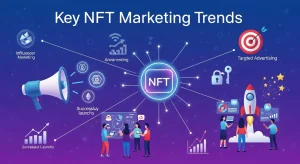
NFTs: Transforming Digital Ownership, Utility, and the Metaverse

NFTs are redefining digital assets by providing unique ownership, utility, and integration with the metaverse. Sustainable, enterprise-driven, and creator-focused NFTs will dominate markets, offering monetization, engagement, and innovative experiences across industries worldwide.
NFTs, or non-fungible tokens, have revolutionized digital ownership. Unlike cryptocurrencies, each NFT is unique and verifiable on the blockchain. From artwork and music to virtual real estate, NFTs provide proof of ownership, scarcity, and provenance. They empower creators by offering new revenue streams, bypassing traditional intermediaries. Beyond collectibles, NFTs are being integrated into loyalty programs, gaming, and metaverse ecosystems. Understanding NFTs’ foundational technology, including blockchain security and smart contracts, is essential for businesses, investors, and creators. NFTs will not just represent assets—they will symbolize identity, community, and utility across digital and real-world environments, setting the stage for a transformative market shift.
A Quick Recap of NFTs
Before we look ahead, it’s worth revisiting what makes NFTs unique. Unlike cryptocurrencies such as Bitcoin or Ethereum, NFTs are individual tokens stored on a blockchain. Each NFT represents a one-of-a-kind asset, with proof of ownership verified on the blockchain.
NFTs have been used for everything from digital artwork and gaming skins to tickets and music rights. But as the market matures, their applications are diversifying rapidly.
Trend #1: Dominance of Utility-Driven NFTs
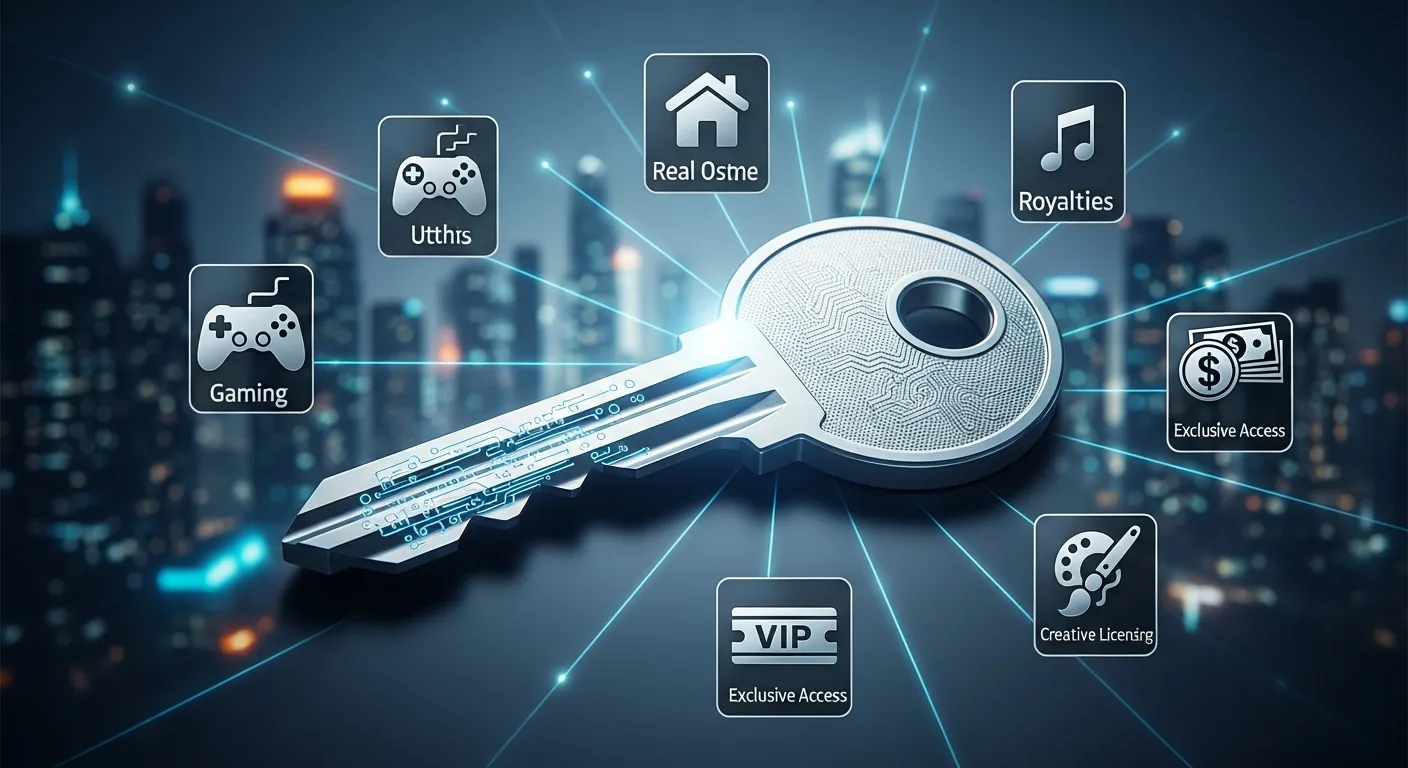 The rise of NFTs serving real-world and virtual utilities. No longer confined to mere collectibles, utility NFTs will unlock actual value for their owners, such as access to exclusive memberships, real estate, or VIP virtual events.
Some examples include:
-
Loyalty Programs
Retailers and brands will incorporate NFTs into their loyalty programs, where an NFT can function as a rewards card or special event pass.
-
Event Access
Tickets for concerts, festivals, or conferences could increasingly be issued as NFTs to combat fraud and scalping while logging attendance on the blockchain.
-
Gaming Items
NFTs will solidify their place in gaming, enabling players to trade and sell their in-game assets across different platforms.
Trend #2: Enterprise Adoption of NFTs
Blockchain technology is creeping into businesses, and NFTs are no exception. We’ll see enterprises leverage NFTs for new ways to engage customers, protect intellectual property, and even streamline licensing processes.
- Brand Collaborations: Companies will continue to forge partnerships with NFT platforms to launch branded digital assets, particularly in the fashion and luxury goods sectors.
- Authentication: Businesses will use NFTs to verify authenticity in industries like art, luxury goods, and pharmaceuticals. Imagine buying a designer handbag and receiving an NFT that acts as proof of authenticity.
- Tokenized Rewards: Corporations may issue NFTs as part of employee bonuses or incentivized reward systems. These assets could hold value within proprietary ecosystems or enable personalized perks.
Trend #3: Environmental Responsibility in NFTs
One critique of NFTs has been their environmental impact, particularly those on energy-intensive blockchains. By 2026, solving this problem will no longer be optional.
-
Eco-Friendly Chains
NFTs are increasingly migrating to eco-conscious blockchains such as Ethereum after its transition to Proof of Stake, or other alternatives like Tezos and Solana.
-
Carbon-Neutral Drops
Brands launching NFTs will invest in carbon offsetting programs to appeal to environmentally conscious consumers.
For businesses and creators, leveraging green technologies will be pivotal in maintaining relevance with eco-aware audiences.
Trend #4: NFTs in the Metaverse
The metaverse, a virtual space where people interact using avatars and digital assets, will fuel the expanded usage of NFTs. NFTs will act as building blocks for people’s online identities in the form of avatars, virtual estates, or wearables.
- Interactive Avatars: Imagine digital avatars equipped with NFT-based accessories that can be traded, upgraded, or showcased in virtual worlds.
- Virtual Real Estate: From hosting events to “owning” prime space in a digital city, NFT-backed virtual land will remain a hot asset.
- Co-Creation Spaces: Communities will use NFTs to co-own and co-create properties and items within the metaverse ecosystem.
Trend #5: Evolving Regulations
NFT regulations will become more defined by 2025. Governments around the world are paying attention to the NFT boom, but differing approaches to regulation may impact how creators, buyers, and businesses interact with them.
-
Taxation
NFT transactions may face added scrutiny regarding income and capital gains taxes. Businesses operating NFT marketplaces might be required to implement stricter reporting mechanisms. Learn more about evolving Web3 regulations and compliance at Sanmo.
-
Consumer Protections
We may also see more safeguards against NFTs being used fraudulently or as get-rich-quick schemes. Regulations will aim to build safer, more transparent ecosystems for buyers.
Regulations could be a double-edged sword. While they provide a framework for trust, they also risk stifling innovation if overly restrictive.
NFT Gaming Revolution
Gaming is one of the most prominent NFT use cases. Players can own, trade, and monetize in-game assets across platforms. Play-to-earn models reward users with NFTs for achievements, encouraging long-term engagement. Game developers use NFTs for rare items, skins, and virtual currencies that have real-world value. Blockchain ensures transparent transactions and verifiable ownership. By 2026, interoperability between games and platforms will expand, allowing NFTs to retain value across ecosystems. Esports, collectibles, and competitive gaming markets will increasingly rely on NFTs to drive user retention and revenue. This integration bridges entertainment, economics, and digital ownership, making gaming a key driver of NFT mainstream adoption.
NFT Marketplaces and Platforms
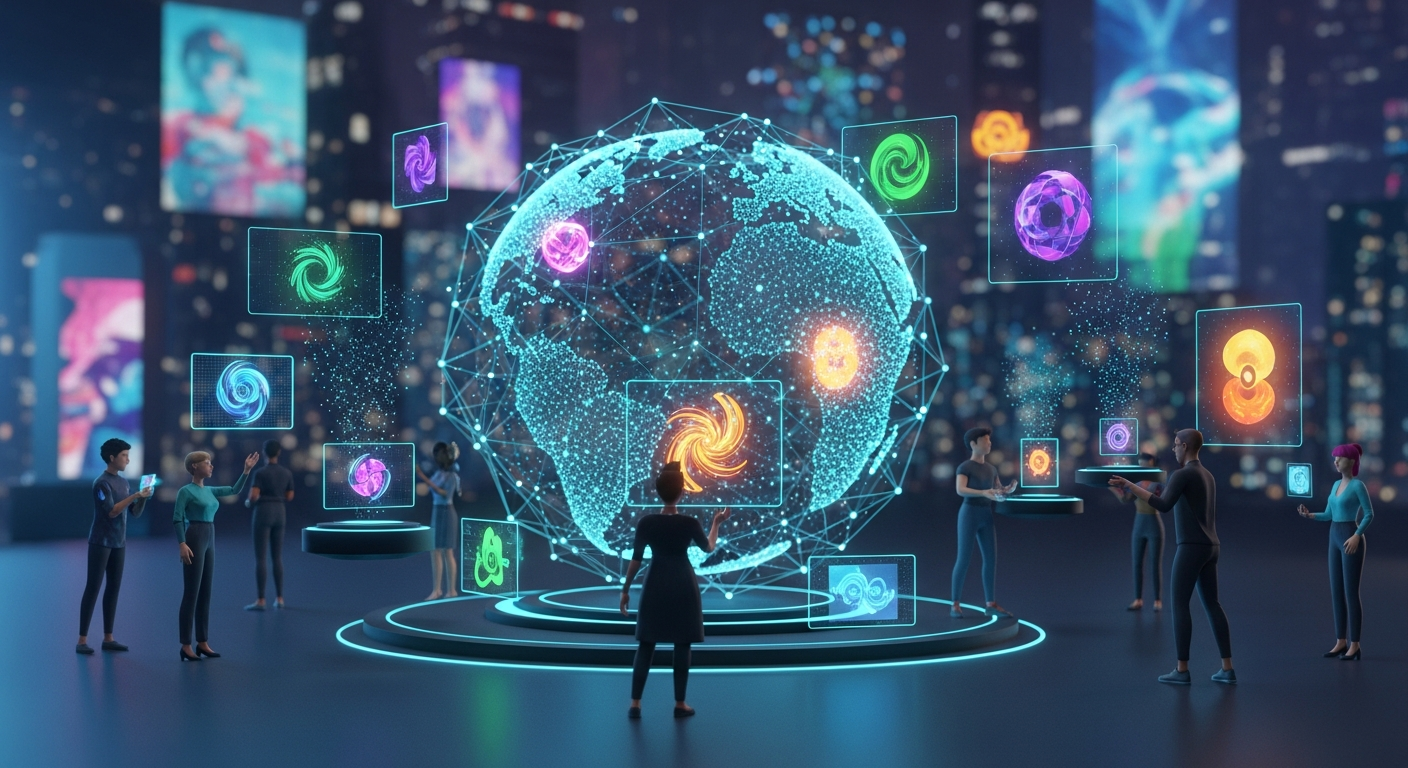 NFT marketplaces are evolving into sophisticated hubs for buying, selling, and trading digital assets. Platforms like OpenSea, Rarible, and Foundation are adding advanced features like fractional ownership, auctions, and verified collections. Marketplaces now support multiple blockchains and eco-friendly options, catering to a global user base. Integration with wallets, crypto exchanges, and social features enhances user experience. By 2026, marketplaces will offer analytics, provenance verification, and collaboration tools for creators. This growth allows small creators and large brands alike to monetize digital assets efficiently. The evolution of NFT marketplaces is crucial for liquidity, accessibility, and long-term sustainability of the NFT ecosystem.
Legal and Regulatory Landscape
NFT regulations are becoming more defined as governments scrutinize blockchain activities. Tax authorities may apply income or capital gains rules to NFT transactions. Marketplaces may be required to implement reporting and compliance standards. Consumer protections will focus on fraud prevention, intellectual property rights, and transparency. Regulatory clarity is a double-edged sword: it builds trust and legitimacy but can restrict innovation if overly stringent. Businesses and creators must stay updated on regional and global regulations. Legal compliance, licensing, and smart contract auditing will become standard practice. By 2026, understanding NFT law will be as essential as technical knowledge for anyone operating in this digital asset space.
NFT Creator Opportunities
NFTs empower creators to monetize digital content without intermediaries. Artists, musicians, writers, and filmmakers can issue NFTs for direct sales, royalties, or access to exclusive content. Fractional ownership allows multiple investors to share in high-value NFTs. NFT platforms also offer collaborative tools for creators to engage communities, build loyalty, and expand their audience globally. Smart contracts ensure automated royalties, reducing disputes and enhancing revenue consistency. The NFT creator economy will grow exponentially, offering diverse monetization methods and lowering barriers to entry. Creators can leverage NFTs for branding, engagement, and long-term value creation in both digital and real-world contexts.
Future Trends and Predictions
The NFT ecosystem will emphasize utility, sustainability, interoperability, and enterprise integration. Cross-industry adoption, from gaming to real estate, will continue to expand. NFTs will shape digital identity, cultural representation, and metaverse participation. Eco-conscious initiatives will appeal to socially responsible consumers. Regulatory frameworks will provide structure, increasing trust among buyers and investors. Marketplaces will evolve with advanced features and fractional ownership. For creators, NFTs will offer new revenue streams, collaboration, and audience engagement. Overall, NFTs are poised to move from speculative collectibles to essential tools for digital economy participation, offering innovative, monetizable, and meaningful experiences across industries worldwide.
The Road Ahead for the NFT Ecosystem

NFTs are more than a fleeting trend; they are becoming essential in how we interact with digital and real-world assets. Their applications will transform industries far beyond what we saw in their first wave.
Most importantly, NFTs represent boundless opportunities for creators, businesses, and individuals to innovate, monetize, and engage. Whether you’re a newcomer, a creator, or an investor, now is the perfect time to explore the NFT space and prepare for the exciting future it holds.
Conclusion (40 words)
NFTs are revolutionizing the way we perceive digital ownership, commerce, and creative expression. By providing verifiable uniqueness on the blockchain, NFTs enable artists, musicians, game developers, and brands to monetize content directly while maintaining proof of authenticity. Beyond collectibles, NFTs are increasingly integrated into utility-driven applications, loyalty programs, virtual events, and metaverse ecosystems, offering tangible benefits and immersive experiences. Enterprises are adopting NFTs to engage customers, protect intellectual property, and create innovative marketing strategies. For creators, businesses, and investors alike, embracing NFTs opens doors to new revenue streams, cross-industry collaborations, and lasting value. As adoption grows, NFTs are set to become an essential part of digital innovation, commerce, and cultural identity worldwide.
FAQs
1. What is an NFT?
A non-fungible token (NFT) is a unique digital asset stored on a blockchain, representing ownership of a specific item such as digital art, music, collectibles, virtual real estate, or even tickets. Unlike cryptocurrencies, each NFT is one-of-a-kind and cannot be replicated, providing provable scarcity and authenticity.
2. How are NFTs different from cryptocurrencies?
Cryptocurrencies like Bitcoin or Ethereum are fungible, meaning each unit is identical and interchangeable. NFTs, however, are unique digital assets, making each token distinct. This uniqueness allows NFTs to represent ownership of specific digital or physical items, ensuring exclusivity and verifiable provenance.
3. What are utility NFTs?
Utility NFTs go beyond being collectible items; they provide functional benefits. Examples include access to exclusive events, membership privileges, premium digital content, discounts, or in-game features. Utility NFTs create tangible value for holders, integrating digital assets with real-world or virtual experiences.
4. Can businesses use NFTs?
Yes. Businesses leverage NFTs for marketing campaigns, customer loyalty programs, authentication of products, and monetizing digital assets. NFTs allow brands to offer exclusive experiences, engage communities, and generate additional revenue streams while maintaining proof of authenticity on the blockchain.
5. Are NFTs environmentally friendly?
Traditional NFTs on energy-intensive blockchains raised environmental concerns. Today, eco-conscious blockchains like Ethereum (post-merge), Tezos, and Solana reduce energy use. Many creators and brands also invest in carbon offset programs, making NFT creation more sustainable and socially responsible.
6. How are NFTs used in the metaverse?
NFTs are key components of the metaverse, representing digital land, avatars, wearables, accessories, and co-created virtual properties. They allow users to fully own, trade, and monetize digital assets while providing identity and reputation within virtual worlds.
7. Can I earn money from NFTs?
Yes. Creators can sell NFTs directly to buyers, earn royalties on secondary sales, or offer fractional ownership to multiple investors. NFTs enable ongoing revenue streams while bypassing traditional intermediaries, giving creators more control over monetization.
8. What is NFT regulation?
Governments are beginning to regulate NFTs for taxation, intellectual property rights, anti-fraud measures, and consumer protection. Regulatory frameworks aim to create transparent, secure markets while ensuring creators, businesses, and buyers operate within legal boundaries.
9. Do NFTs affect gaming?
NFTs are transforming gaming by allowing players to own, trade, and sell in-game items such as skins, weapons, or virtual currencies. Play-to-earn models reward users with NFTs for achievements, creating cross-platform economies and increasing player engagement and retention.
10. Which NFT marketplaces are popular?
Leading marketplaces include OpenSea, Rarible, Foundation, LooksRare, and others that support multiple blockchains. Many platforms now offer eco-friendly options, fractional ownership, and advanced features like auctions, collaboration tools, and verified collections.
11. Are NFTs secure?
NFTs rely on blockchain for verifiable ownership, ensuring authenticity and provenance. However, security depends on platform integrity and smart contract audits. Users must choose trustworthy marketplaces and take precautions such as using secure wallets and two-factor authentication.
12. What is the future of NFTs?
NFTs are evolving toward utility-driven assets, eco-conscious creation, enterprise adoption, and metaverse integration. They will reshape digital identity, commerce, and culture, providing creators, businesses, and investors with innovative ways to monetize, engage, and participate in the digital economy.