The Ultimate NFT Marketing Guide for Creators and Brands

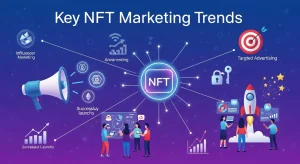
This comprehensive NFT marketing guide helps creators and brands build strong communities, execute successful launches, and sustain long-term project growth. Learn actionable strategies for social media, partnerships, and utility to make your next digital asset collection a massive success.
Creating a stunning digital asset is only the first step in launching a successful Web3 project. The digital landscape is crowded with thousands of new collections dropping daily, making it harder than ever to stand out. If you want your project to gain traction, you need a robust marketing strategy that goes beyond simply posting a link on social media and hoping for the best.
Modern buyers are looking for utility, trust, and a sense of belonging. They want to know the faces behind the project, understand the long-term vision, and feel confident that their investment is safe. This shift means that creators and brands must think like community managers and tech founders simultaneously.
This guide provides a detailed roadmap for marketing your non-fungible tokens. We will break down exactly how to build an audience from scratch, leverage the right platforms, and maintain momentum long after your initial launch date passes.
Understanding the Web3 Audience

Marketing digital assets requires a completely different approach than selling traditional e-commerce products. Your audience is highly technical, deeply sceptical of scams, and motivated by both community and financial upside.
Community is Your Strongest Asset
In the Web3 space, your community is your marketing team. When people feel connected to a project, they naturally share it with their networks. Your primary goal should be to foster genuine connections rather than just pushing for sales. This requires daily engagement, transparency, and a willingness to listen to feedback.
The Importance of Utility
Artwork alone is rarely enough to sustain a project’s value. Buyers want to know what they get for holding your token. This is called utility. Utility can range from access to exclusive software and private networking groups to real-world merchandise and event tickets. Clearly communicating this utility is a cornerstone of effective NFT marketing.
Pre-Launch Marketing Strategies
The work you do before your smart contract goes live determines your success. A strong pre-launch phase typically lasts anywhere from four to twelve weeks.
Building Your Foundation on Twitter and Discord
Twitter (X) and Discord are the two pillars of Web3 marketing. Twitter serves as your public billboard, while Discord acts as your private clubhouse.
Start by optimizing your Twitter profile with high-quality branding, a clear bio, and a link to your website. Post consistently about your project’s development, share sneak peeks of the art, and engage with other prominent figures in the space. Use Discord to gather your most dedicated supporters. Create channels for different topics, host regular events, and establish clear rules to maintain a positive environment.
Securing Strategic Partnerships
Collaborating with established projects or creators can instantly legitimize your collection. Look for partners who share a similar target audience or aesthetic. You can offer their community exclusive spots on your allowlist (whitelist) in exchange for promotional posts. This mutual exchange of value helps both communities grow.
Crafting a Realistic Roadmap
A roadmap outlines your project’s future milestones. It tells potential buyers exactly what you plan to build with the funds raised from the mint. Be ambitious but realistic. Overpromising and underdelivering is the fastest way to destroy trust. Share your roadmap clearly on your website and refer to it frequently during your marketing campaigns.
Launch Day Tactics
When mint day arrives, your marketing should shift from building awareness to driving immediate action.
Hosting Live Audio Events
Twitter Spaces and Discord Voice channels are incredibly effective for launch day. Hosting a live audio session allows you to answer questions in real-time, address any technical issues, and build hype as tokens are minted. Hearing the founders speak directly builds immense trust and urgency.
Leveraging Influencer Relationships
If you secured agreements with Web3 influencers, launch day is the time for them to activate. Have them share their minted assets, discuss the project’s utility, and direct their followers to your official links. Ensure you only work with reputable influencers whose followers genuinely engage with their content.
Post-Launch Sustenance
A common mistake is abandoning the marketing strategy once the collection sells out. Post-launch marketing is critical for maintaining the secondary market value of your tokens.
Delivering on Roadmap Promises
The best marketing post-launch is execution. When you deliver on a roadmap promise, document the process and share it widely. If you promised a merchandise line, post behind-the-scenes photos of the manufacturing process. Consistent updates reassure holders that the team is actively working.
Rewarding Long-Term Holders
Create incentives for people to hold onto their tokens rather than selling them immediately. This could involve airdropping new digital assets, granting access to private alpha groups, or providing discounts on future brand releases.
Influencer & KOL Marketing in Web3 Ecosystem
Influencer marketing plays a major role in NFT success, especially in a trust-driven Web3 environment. Key Opinion Leaders (KOLs) have established communities that already believe in their insights, making them powerful amplifiers for new projects. The goal is not just promotion, but credibility transfer. When selecting influencers, focus on engagement quality rather than follower count. Micro-influencers often deliver better conversion rates than large accounts with passive audiences. Effective NFT campaigns often include AMA sessions, Twitter Spaces appearances, and live mint coverage. It is also important to create long-term partnerships instead of one-time shoutouts. When influencers hold your NFT and actively participate in your ecosystem, their endorsement feels authentic. Always track performance metrics such as referral mints, engagement spikes, and community growth after each collaboration. This ensures your influencer strategy remains data-driven and cost-effective for sustainable NFT marketing growth.
NFT Utility Design and Gamification Strategies
Strong NFT marketing depends heavily on how valuable and interactive your digital assets are after purchase. Utility transforms NFTs from simple collectibles into functional ecosystem tools. This can include access to exclusive content, staking rewards, governance voting rights, or real-world perks like event tickets. Gamification further enhances engagement by introducing challenges, achievements, and reward systems that encourage holders to stay active. For example, NFT holders might earn points for participating in community events or completing on-chain missions. These mechanics increase retention and reduce post-mint abandonment. Successful projects continuously evolve utility to match community expectations and market trends. Dynamic NFTs, which change based on user behavior or milestones, are also gaining popularity. By combining utility and gamification, creators can build emotional attachment and long-term value, ensuring their NFT collection remains relevant far beyond the initial launch hype cycle.
Airdrops, Rewards, and Community Incentive Models
Airdrops and reward systems are powerful tools for maintaining engagement in NFT communities. They help create excitement, loyalty, and ongoing participation. Airdrops can include additional NFTs, governance tokens, or exclusive digital content distributed to holders at specific milestones. This encourages users to hold their assets instead of selling immediately after mint. Reward systems can also be based on engagement metrics such as Discord activity, event participation, or referral contributions. Some projects introduce tiered rewards, where long-term holders receive more valuable benefits over time. This builds a strong sense of belonging and fairness within the ecosystem. However, transparency is critical—users should clearly understand how rewards are earned and distributed. Poorly planned incentive systems can lead to manipulation or short-term farming behavior. When executed properly, incentive-based marketing strengthens community loyalty, increases retention, and boosts overall secondary market performance.
NFT Marketing Analytics and Performance Tracking

Data analytics is essential for optimizing NFT marketing campaigns and understanding community behavior. Without tracking performance, it becomes difficult to scale or improve strategies effectively. Key metrics include website traffic, mint conversion rates, wallet activity, Discord engagement, and secondary market volume. Tools like on-chain analytics platforms help identify buyer behavior patterns, such as holding duration and resale activity. Social media analytics also reveal which content types generate the most engagement and community growth. A/B testing different marketing approaches—such as varying influencer campaigns or launch timing—can significantly improve results. Monitoring sentiment analysis within Discord and Twitter helps detect early signs of community excitement or dissatisfaction. By continuously analyzing performance data, NFT creators can make informed decisions, refine their messaging, and improve ROI. In Web3 marketing, data-driven strategy is the difference between short-term hype and long-term ecosystem success.
Frequently Asked Questions About NFT Marketing
1. How much budget do I need to market an NFT project?
Your marketing budget depends entirely on your goals and resources. It is possible to launch a project with zero budget by relying entirely on organic social media growth, networking, and grassroots community building. However, having a budget of $5,000 to $20,000 allows you to hire experienced moderators, pay for professional PR distribution, collaborate with influencers, and design a high-quality website. Allocate funds carefully, prioritizing community management and security over flashy paid advertisements.
2. Which social media platforms are best for NFTs?
Twitter and Discord are essential for any Web3 project. Twitter is where discovery happens, news breaks, and trends form. Discord is where you nurture your community, host events, and organize your most loyal fans. Depending on your niche, Instagram and TikTok can also be highly effective, especially for visually driven art projects or fashion brands looking to bridge the gap between traditional consumers and Web3.
3. What is an allowlist (whitelist) and how do I use it for marketing?
An allowlist is a smart contract feature that grants specific wallet addresses guaranteed access to mint an NFT before the general public, often at a discounted price. Marketers use allowlists to create exclusivity and reward early supporters. You can use allowlist spots as contest prizes, give them to active community members, or trade them with other established projects to tap into their audience.
4. Should I hire an NFT marketing agency?
Hiring an agency can save you time and provide industry expertise, especially if you lack Web3 experience. Good agencies offer connections to influencers, PR networks, and experienced community managers. However, the space is filled with low-quality agencies that use bots and fake engagement. If you decide to hire one, thoroughly vet their past clients, ask for case studies, and ensure their strategy aligns with long-term brand building rather than quick cash grabs.
5. How do I prevent my community from losing interest before the mint?
Maintaining engagement requires consistent, high-quality communication. Do not reveal all your art or utility on day one. Slowly drip-feed information, sneak peeks, and roadmap updates over several weeks. Host interactive events in your Discord, such as trivia nights, art contests, or gaming tournaments. Transparency from the founders also keeps the community engaged and trusting of the process.
6. What role does a project’s website play?
Your website is the digital storefront for your brand. It serves as the official source of truth, helping protect your audience from phishing scams and fake social media profiles. A professional website should clearly display the team’s public profiles, the project’s utility, the roadmap, high-resolution artwork, and the official minting portal. A buggy or poorly designed website will immediately deter serious buyers.
7. How effective is paid advertising for NFTs?
Traditional paid advertising on platforms like Facebook, Google, and Instagram has a mixed track record for NFTs. Many Web3 platforms have strict guidelines regarding crypto advertising, leading to rejected ads or banned accounts. Furthermore, the core Web3 audience tends to ignore traditional banner ads, preferring organic discovery through Twitter and trusted influencers. Focus on organic growth and partnerships before testing paid ad spend.
8. What is a “rug pull” and how do I prove my project is legitimate?
A “rug pull” is a scam where developers abandon a project and run away with investors’ funds after the mint. To prove your project is legitimate, you must build trust. Do this by “doxxing” (publicly identifying) yourself and your team members. Connect your personal LinkedIn and Twitter accounts to the project. Host live video AMAs where people can see your face and ask questions directly.
9. How do I price my NFT collection?
Pricing requires balancing accessibility with the perceived value of your utility and art. If you price too high, you risk failing to sell out. If you price too low, you might not raise enough capital to execute your roadmap. Study recent successful drops in your specific niche to understand current market conditions. Many projects now opt for free or low-cost mints, relying on secondary market royalties to fund the project over time.
10. How do I maintain secondary market volume after launch?
Secondary volume is driven by continuous demand. To keep people buying on secondary markets like OpenSea or Blur, you must constantly deliver new value. Announce new partnerships, release software tools for holders, or host real-world events. When the community sees the team actively building and expanding the brand, new buyers will want to enter the ecosystem, keeping trading volume healthy.
Your Next Steps to Web3 Success
Building a successful Web3 brand requires patience, transparency, and a deep understanding of community dynamics. Start by defining exactly what unique value your project brings to the market. Once your utility is clear, begin establishing your presence on Twitter and Discord. Engage with other creators, share your journey openly, and focus on attracting ten true supporters before trying to attract a thousand.
The digital asset landscape rewards those who build with the long term in mind. Take the strategies outlined in this guide, adapt them to your specific brand voice, and start building your community today.