
The Ultimate Guide to NFT Market Analysis Solutions
NFT market analysis tools help traders make data-driven decisions by tracking trends, wallets, and rarity. Combining analytics with risk management, fundamentals, and portfolio tracking improves strategy, reduces losses, and increases the chances of success in a volatile digital asset market.
The non-fungible token market moves at a blistering speed. A project can mint, trend, peak, and crash within a matter of days. For traders and investors, relying on gut feeling or social media hype often leads to poor decision-making and financial loss. To succeed in this highly volatile environment, you need hard data, real-time insights, and actionable metrics.
Finding reliable information requires specialized tools built specifically for blockchain ecosystems. Standard financial tracking software cannot parse smart contract data or monitor the movement of digital assets across decentralized networks. This gap in the market has led to the rapid development of specialized platforms designed exclusively for tracking digital collectibles.
Understanding how to read market trends, identify wash trading, and track wallet movements gives you a significant advantage. By learning to use these specialized tracking platforms, you can transform raw blockchain data into a clear investment strategy. This guide explores the most effective tools available, the features you need to look out for, and how to apply these insights to your trading routine.
Understanding the Need for Specialized Tracking

Blockchain technology operates on transparency. Every transaction, transfer, and smart contract interaction is publicly visible on the ledger. However, looking directly at Etherscan or another block explorer provides a wall of raw, unformatted text and hex codes. It takes specialized software to aggregate this data, clean it, and present it in a readable format.
Without these tools, you are essentially flying blind. You might see a project trending on a marketplace homepage, but you will not know if the trading volume is organic or artificially inflated by a small group of users trading among themselves. NFT market analysis solutions pull data directly from the blockchain and major marketplaces to give you an unfiltered look at project health.
Key Features of Effective NFT Analytics Tools
When evaluating different platforms, certain features separate the basic trackers from professional-grade analysis suites.
Real-Time Mint Tracking
Getting into a project early often yields the highest returns. Advanced platforms offer real-time mint tracking, allowing you to see which projects are currently being minted, how fast they are selling out, and how many unique wallets are participating. This helps you identify high-demand drops before they hit secondary marketplaces.
Wallet Profiling and Whale Tracking
A “whale” is an investor with significant capital who can single-handedly move markets. If several highly profitable wallets suddenly start buying into an unknown project, it usually signals an upcoming trend. The best analysis solutions allow you to track specific wallets, analyze their historical profitability, and set up alerts for their trading activity.
Rarity Estimation
In large generative collections, certain traits are much rarer than others. Marketplaces often take days to reveal official rarity rankings. Third-party analytics tools use the blockchain metadata to calculate rarity scores instantly upon reveal, allowing you to snipe underpriced rare items before the broader market catches on.
Wash Trade Filtering
Wash trading occurs when a user buys and sells an asset to themselves across different wallets to create the illusion of high demand. Quality analytics platforms use complex algorithms to identify and filter out these suspicious transactions, providing a more accurate picture of a project’s true trading volume and floor price.
Top NFT Market Analysis Solutions Available Right Now
Several platforms have emerged as industry leaders, each catering to different types of traders.
Nansen
Nansen is widely considered the gold standard for blockchain data analytics. It tags millions of crypto wallets, allowing you to see exactly who is buying and selling. Their “Smart Money” dashboard tracks the wallets of historically successful traders, giving you real-time insights into where the experts are deploying their capital. Nansen is a premium tool suited for serious investors who need deep, granular data.
Dune Analytics
Dune allows users to query blockchain data using SQL and create custom visual dashboards. The beauty of Dune is its community-driven approach. Thousands of analysts have already built free, publicly available dashboards tracking everything from marketplace market share to individual project performance. It is highly technical but incredibly powerful.
Icy.tools
For day traders who need fast, actionable data, Icy.tools offers a clean and responsive interface. It focuses heavily on real-time trends, showing you which projects are experiencing spikes in volume and floor price over the last hour. The platform also includes built-in rarity tools and alerts, making it perfect for spotting momentum plays.
NFTGo
NFTGo provides a comprehensive overview of the entire market. It tracks macroeconomic indicators like total market capitalization and overall trader sentiment. The platform is excellent for beginners, offering easy-to-read charts on whale movements, project leaderboards, and detailed analytics on individual collections without overwhelming the user with overly complex metrics.
Portfolio Tracking and Performance Metrics
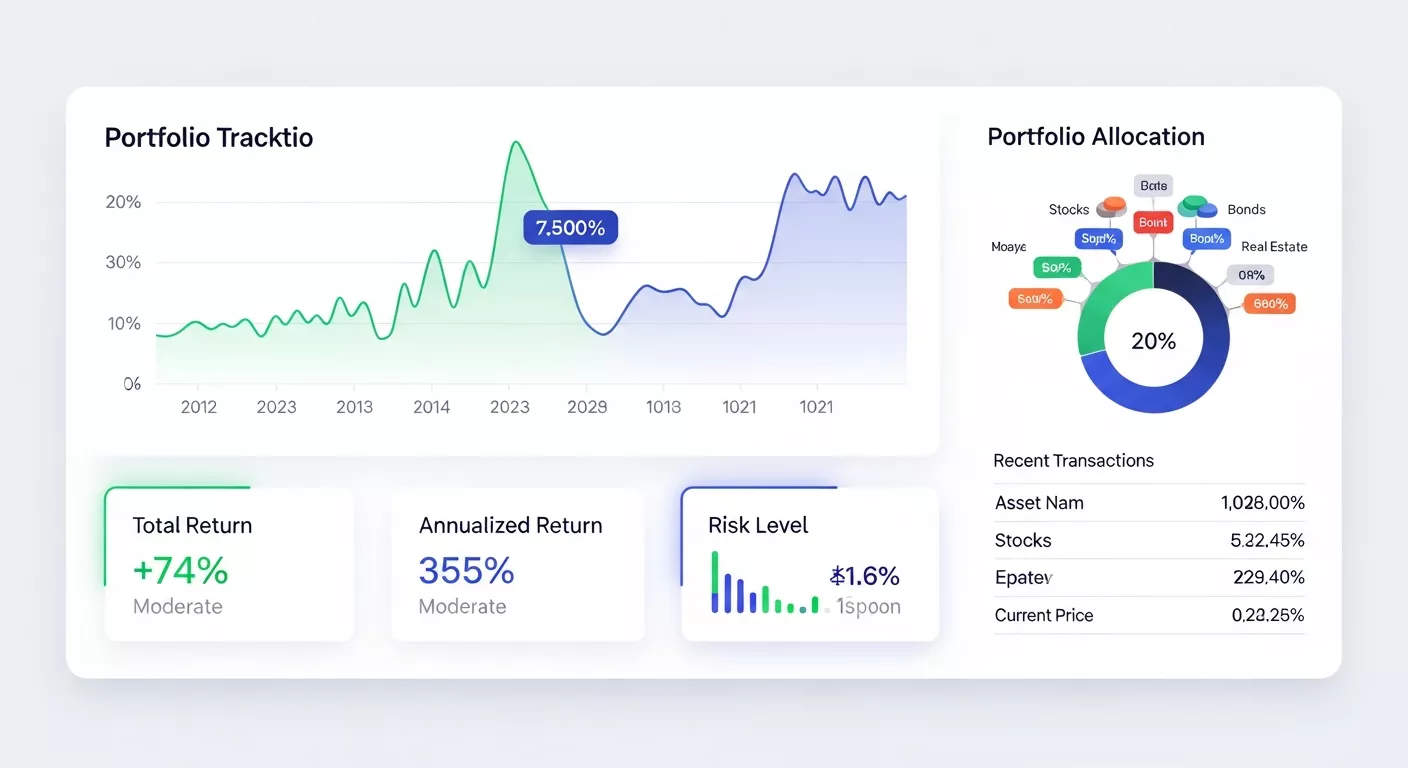
Effective NFT investing requires continuous monitoring of portfolio performance. Advanced analytics tools now offer portfolio dashboards that track total asset value, profit and loss, and historical performance trends. These dashboards help investors understand which strategies are working and which need adjustment. Metrics such as average purchase price, current floor value, and realized gains provide clarity on overall profitability. Portfolio tracking also enables better tax reporting and financial planning. By regularly reviewing performance data, traders can refine their strategies, minimize losses, and maximize returns in a fast-moving market.
Frequently Asked Questions About NFT Market Analysis
1. What exactly is an NFT market analysis solution?
It is a software platform that extracts raw transaction data from blockchains (like Ethereum or Solana) and NFT marketplaces, then formats that data into readable charts, graphs, and metrics. These platforms help users track trading volume, floor prices, wallet behavior, and historical trends to make informed investment decisions.
2. How do rarity scores affect NFT value?
In collections like the Bored Ape Yacht Club or CryptoPunks, each digital asset has unique traits (e.g., laser eyes, gold fur). Traits that appear less frequently are considered rarer. Generally, NFTs with high rarity scores command much higher prices on the secondary market. Analytics tools calculate these scores by comparing an item’s traits against the entire collection.
3. Can market analysis tools predict NFT price movements?
No tool can predict the future with 100% accuracy, especially in a highly speculative market. However, these tools can identify momentum, historical support levels, and organic demand. By analyzing this data, traders can make highly educated guesses about where a project’s price is likely to head next.
4. What is a “whale” in the NFT space, and why track them?
A whale is an individual or entity holding a massive amount of cryptocurrency or valuable NFTs. Because they trade with high volume, their buying and selling activities can drastically alter a project’s floor price. Tracking whales helps retail investors anticipate major market movements before they fully materialize.
5. Are free NFT analytics tools reliable?
Many free tools offer excellent basic functionality. Platforms like Dune Analytics provide incredibly accurate, user-generated dashboards at no cost. However, free versions of premium tools usually come with data delays (e.g., showing data from 15 minutes ago rather than real-time), which can be a significant disadvantage for active day traders.
6. How does wash trading skew NFT market data?
Wash trading artificially inflates a project’s trading volume, making it look much more popular than it actually is. This can trick unsuspecting investors into buying an asset, thinking there is high liquidity and demand. Premium analytics tools filter out these fake trades to reveal the true state of the market.
7. Which metrics are most important when evaluating an NFT project?
Focus on unique ownership percentage, sales volume over time, listing ratios (how many items are currently for sale versus held), and the distribution of assets among wallets. High unique ownership combined with a low percentage of listed items usually indicates a strong, convicted community.
8. Do I need coding skills to use these platforms?
For most platforms like Icy.tools or NFTGo, you do not need any coding skills; the interfaces are highly visual and user-friendly. However, if you want to build custom queries and dashboards on platforms like Dune Analytics, a basic understanding of SQL is highly beneficial.
9. How often should I check my NFT analytics dashboard?
This depends entirely on your trading style. Long-term investors might only check macroeconomic trends a few times a week to monitor the overall health of the market. Active day traders and minters will keep their dashboards open constantly to catch real-time volume spikes and smart money movements.
10. What role does social sentiment play in NFT market analysis?
Data only tells half the story. Blockchain metrics tell you what is happening, but social sentiment (tracked via Twitter and Discord activity) often tells you why. The best traders combine quantitative data from analytics platforms with qualitative data from social media to get a complete picture of a project’s potential.
Mastering Your NFT Investment Strategy
Access to high-quality data is the great equalizer in the digital asset space. While the learning curve for platforms like Nansen or Dune Analytics might seem steep initially, the insights they provide quickly justify the effort. Stop relying on social media rumors and start letting blockchain data guide your portfolio decisions.
Begin by experimenting with free tools and community dashboards to understand what metrics align with your specific trading goals. As you become more comfortable interpreting floor price walls, listing behaviors, and wallet tracking, you can graduate to premium suites that offer real-time advantages. By making data-driven decisions, you position yourself to navigate market volatility safely and identify genuine opportunities before the rest of the market catches on.