How to Master NFT Marketing in the Web3 Era
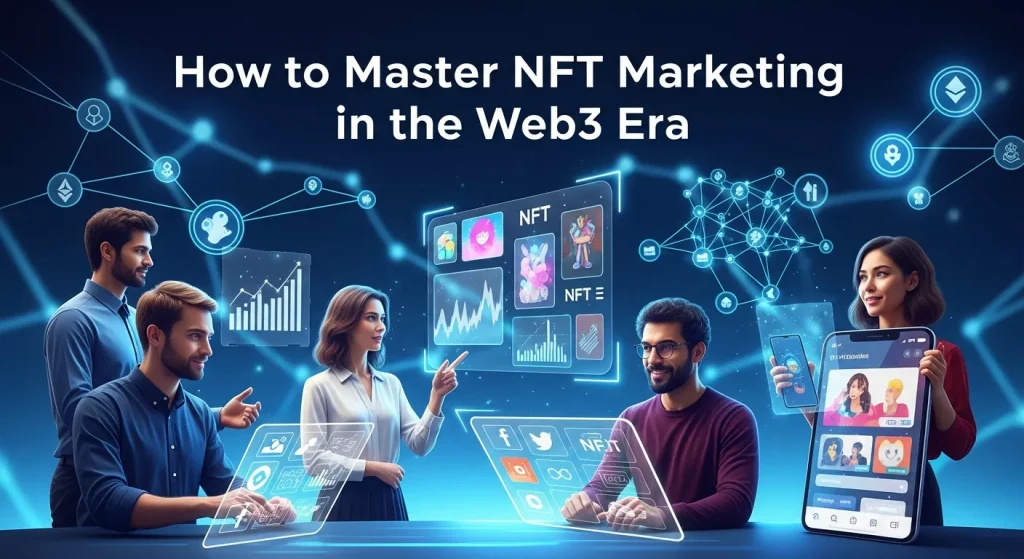
The internet is undergoing a massive transformation. We are shifting away from centralized platforms owned by tech giants toward a decentralized ecosystem where users own their data and digital assets. Non-Fungible Tokens (NFTs) are a foundational element of this new landscape, acting as digital deeds of ownership for art, music, gaming items, and exclusive community access.
Marketing these assets requires an entirely new playbook. Traditional digital advertising relies heavily on targeted ads, passive consumption, and funnel optimization. Web3 marketing operates on a different frequency. It demands transparency, community building, and genuine utility. You cannot simply run a Facebook ad and expect an NFT collection to sell out. You must build a movement.
The Shift from Web2 to Web3 Marketing
To succeed in the NFT space, you first need to understand how Web3 fundamentally changes the relationship between a brand and its audience. In the traditional Web2 model, companies spend money to acquire customers. The relationship is largely transactional.
In Web3, the audience becomes a stakeholder. When someone purchases an NFT from your collection, they are buying into your vision. Their financial incentives align directly with the project’s success. This dynamic transforms passive consumers into active evangelists.
Ownership and Decentralization
Web3 is built on blockchain technology, which guarantees transparency and verifiable ownership. Because the blockchain is public, anyone can see the history of a digital asset, including who created it, who bought it, and how much they paid. This transparency forces creators to operate with high levels of integrity. You cannot hide behind clever copy; your actions are recorded permanently on the ledger.
Marketing in this environment means leaning into that transparency. Open communication about project goals, fund allocation, and smart contract security helps establish the baseline trust required to attract early adopters. Learn more about
Community as the Foundation
You will often hear that community is everything in Web3. A strong, active community acts as your marketing team, your focus group, and your primary investor base. Marketing an NFT project is essentially the process of bringing together a group of aligned individuals and giving them a reason to interact.
Instead of optimizing for clicks or impressions, you need to optimize for engagement and retention. A Discord server with 1,000 highly active, passionate members is vastly more valuable than a server with 100,000 silent bots.
Core Pillars of NFT Marketing
Building a successful campaign requires focusing on the elements that actually drive value in the Web3 space. Flashy artwork is rarely enough to sustain a project on its own.
Storytelling and Brand Identity
Every iconic NFT collection has a compelling narrative. People connect with stories. Your narrative should explain why your project exists, what problem it solves, and where it is going in the future.
Develop a distinct visual identity and tone of voice that resonates with your target audience. Are you building a cyberpunk gaming universe? A high-fashion digital wearable brand? An exclusive club for entrepreneurs? Your storytelling should permeate every tweet, every Discord announcement, and every piece of art you release.
Defining Clear Utility
Utility refers to the tangible or intangible benefits a user receives by holding your NFT. While some collections thrive purely on art and culture, the market increasingly demands functional value.
Utility can take many forms:
- Access: Gated Discord channels, alpha groups, or early access to future software products.
- Physical goods: Redeeming the digital token for exclusive merchandise or physical artwork.
- Events: Tickets to real-world parties, conferences, or private meetups.
- Gaming: Playable characters, weapons, or land in a metaverse environment.
- Financial: Staking mechanisms, token airdrops, or revenue sharing from ecosystem businesses.
Your marketing strategy must clearly communicate this utility. Potential buyers need to know exactly what they get by participating in your ecosystem.
Activating the Right Marketing Channels
Web3 natives spend their time on specific platforms. Knowing how to leverage these channels effectively will make or break your marketing efforts.
Mastering X (Formerly Twitter)
X is the global town square for the cryptocurrency and NFT communities. It is where news breaks, trends start, and projects gain traction.
To market effectively on X, you must engage authentically. Host regular Twitter Spaces to talk directly with your audience, answer questions, and discuss industry trends. Post thread breakdowns of your project’s mechanics and lore. Engage with other creators and builders in the space. Organic reach on X is driven by conversations, retweets, and mutual support between projects.
Building a Home on Discord
If X is where people discover your project, Discord is where they decide to stay. Discord allows you to build a structured, interactive home for your community.
Create specific channels for different topics, from project announcements to casual off-topic chatter. Host games, trivia nights, and art contests to keep members engaged. Assign community managers and moderators who reflect your brand’s values and can keep the environment positive and secure. A well-managed Discord server turns casual followers into dedicated community members.
Strategic Collaborations
Partnerships are a massive growth engine in Web3. Collaborating with established projects allows you to tap into their audience while providing value to your own.
This often takes the form of “Allowlist” (AL) giveaways. You can offer guaranteed mint spots to the holders of a partner project. In exchange, that project announces the partnership to their community, driving traffic back to your social channels. Seek out collaborations with projects that share a similar vision or demographic.
Advanced Strategies for a Successful Launch
As your launch date approaches, your marketing efforts need to shift from general awareness to direct conversion.
Managing the Allowlist
An allowlist is a presale list that guarantees a user the ability to mint an NFT before the public sale. Managing this list is a delicate balancing act. You want to reward your most active and helpful community members without making the process feel like an exhausting grind.
Avoid forcing users to send thousands of meaningless messages in Discord just to earn a spot. Instead, reward genuine engagement. Give spots to people who create fan art, write helpful threads, or assist new members in the server. A well-curated allowlist ensures your NFTs end up in the hands of long-term supporters rather than short-term flippers.
Hosting Virtual Events
Metaverse platforms and virtual event spaces offer unique ways to showcase your project. Hosting a digital art gallery or a virtual kickoff party builds excitement and demonstrates a commitment to Web3 technology. These events create shareable moments that attendees will naturally post across their own social networks.
Post-Mint Marketing: Sustaining the Momentum
Many founders make the mistake of treating the mint out as the finish line. In reality, it is day one of your business. The secondary market volume and the long-term floor price of your collection depend entirely on what you do after the initial sale.
Executing the Roadmap
The fastest way to kill a project is to go quiet after raising funds. You must deliver on the promises made during your marketing campaign. Provide regular, transparent updates on your progress. If a software feature or a merchandise drop is delayed, communicate the reasons clearly to your community. Trust is easy to lose and incredibly difficult to rebuild.
Continuous Engagement
Keep the community active even when you have nothing immediate to sell. Host weekly town halls, interview industry leaders in your Discord, and spotlight community members who are doing interesting things. The goal is to make your ecosystem a place people want to hang out, regardless of the current market conditions.
Influencer and KOL Marketing in the NFT Space
Traditional influencers can generate awareness, but Web3 often relies more heavily on Key Opinion Leaders (KOLs), collectors, and respected community figures. A mention from a trusted voice in the NFT ecosystem can carry more weight than paid advertising.
Focus on building relationships with:
- NFT collectors with loyal followings
- Crypto YouTubers and newsletter creators
- X influencers hosting Spaces around Web3 trends
- Discord community leaders and alpha groups
- NFT analytics and review platforms
The key is authenticity. Paid promotions without genuine alignment often fail in Web3 communities because audiences quickly detect forced endorsements. Partner with voices that believe in your project and can communicate its value credibly.
Using AMA Sessions for Trust Building
“Ask Me Anything” sessions remain one of the most effective ways to generate transparency and confidence. Hosting AMAs with founders, developers, and collaborators gives potential holders direct access to the people behind the project.
Well-executed AMA sessions can:
- Address roadmap concerns
- Explain utility in depth
- Reduce scepticism before mint
- Increase community participation
- Create reusable content for social promotion
AMAs also produce social proof, especially when hosted with established partner communities.
NFT SEO and Content Marketing Strategies
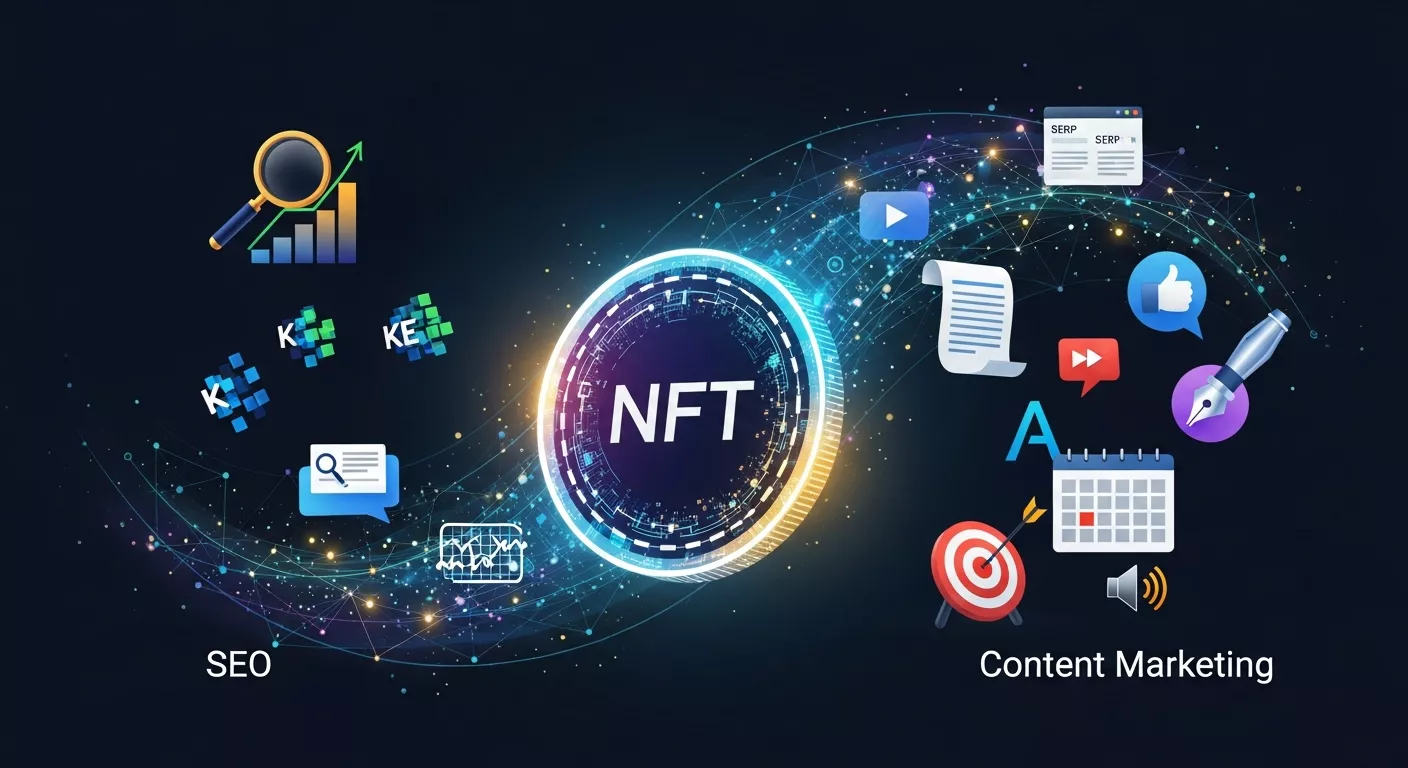
While social channels dominate Web3 attention, search traffic remains an overlooked growth channel. Educational content can attract long-term organic traffic and position your project as an authority.
Consider building content around:
- NFT beginner guides
- Project updates and roadmap blogs
- Web3 education articles
- Creator interviews
- Collection rarity guides
- Market trend analysis
Optimizing for search terms related to your niche can bring in audiences beyond Discord and X.
Content Formats That Drive Discovery
Expand beyond blog posts with:
- Educational thread repurposing
- YouTube explainers
- NFT newsletters
- Case studies and whitepapers
- SEO landing pages for collection drops
- Tutorials on wallet setup and mint participation
Combining content marketing with community building creates a stronger acquisition engine than relying solely on hype cycles.
Avoiding Common NFT Marketing Mistakes
Many promising projects fail not because the idea is weak, but because the marketing approach damages trust early.
Overhyping Without Delivering
Artificial scarcity, exaggerated promises, and “guaranteed moon” language often attract speculators instead of genuine supporters. Short-term hype can create a fast mint but weak long-term sustainability.
Focus on realistic messaging and achievable milestones.
Ignoring Security and Scam Prevention
Security communication is part of NFT marketing. Communities want to know they are safe.
Best practices include:
- Educating users about phishing scams
- Verifying official links constantly
- Auditing smart contracts
- Using moderators to flag impersonators
- Publishing mint safety instructions
Projects that prioritize security often build stronger reputations and reduce community anxiety.
Measuring NFT Marketing Performance and Growth
Web3 marketing should be data-informed, even when the community is the focus. Tracking the right metrics helps optimize campaigns and identify momentum.
Key Metrics to Monitor
Instead of only chasing follower counts, evaluate deeper indicators like:
- Discord engagement rates
- X impressions and Spaces attendance
- Allowlist conversion rates
- Mint sell-through percentage
- Holder retention rates
- Secondary market volume
- Floor price stability
- Community sentiment and participation
These metrics reveal whether you are building genuine traction or temporary attention.
Using Analytics for Long-Term Scaling
Tools for on-chain analytics, social listening, and community management can help refine your strategy over time. Data-driven decisions allow you to improve launch performance, strengthen retention, and grow beyond a single NFT drop into a sustainable ecosystem.
Your Next Steps in the Web3 Space
Marketing an NFT project requires patience, authenticity, and a deep understanding of community dynamics. It is an ongoing process of relationship building and value creation.
Start by defining your project’s core narrative and the specific utility you plan to offer. Choose one or two social platforms—ideally X and Discord—and focus on providing consistent, high-quality engagement. Seek out authentic partnerships, and always prioritize transparency with your audience. By focusing on long-term value over short-term hype, you can build a resilient Web3 brand that stands the test of time.
FAQ
1. What is NFT social media marketing?
NFT social media marketing is the process of promoting NFT projects, collections, and Web3 communities through platforms like Discord, X, Telegram, YouTube, and other digital channels. Unlike traditional marketing, it focuses heavily on community building, transparency, storytelling, and utility rather than just paid advertising. The goal is to attract collectors, grow engagement, build trust, and support long-term project growth.
2. Why is community important in NFT marketing?
Community is often considered the foundation of successful NFT marketing because holders are more than customers—they can become advocates and contributors. A strong community can help promote your project organically, support launch momentum, provide feedback, and strengthen long-term value. Active communities on Discord and other Web3 channels often drive more success than large but inactive audiences.
3. Which social media platforms work best for promoting NFTs?
The most effective platforms for NFT promotion often include:
- X for organic reach, trends, and Spaces
- Discord for community building
- Telegram for announcements and crypto communities
- YouTube for education and project reviews
- Instagram for visual NFT showcases
- Reddit for niche community engagement
The best channels depend on your audience, niche, and project goals.
4. How can I grow an NFT audience organically?
Organic NFT audience growth usually comes from consistent engagement and value-driven content. Effective tactics include:
- Posting educational and story-driven content
- Hosting Twitter/X Spaces
- Running community events and AMAs
- Collaborating with other NFT projects
- Sharing roadmap updates consistently
- Rewarding community participation
- Building SEO content around your niche
Organic growth may take longer, but often attracts more loyal supporters.
5. What role does utility play in NFT marketing?
Utility can be a major factor in attracting and retaining buyers. It gives people reasons to hold an NFT beyond speculation. Utility can include:
- Exclusive access communities
- Gaming assets
- Event access
- Physical merchandise
- Staking rewards
- Future airdrops
- Membership perks
Strong utility can improve both marketing appeal and long-term project sustainability.
6. How do influencers and KOLs help promote NFT projects?
Influencers and Key Opinion Leaders (KOLs) can help expand awareness and add credibility. In Web3, trusted voices often influence collectors more than traditional ads. Collaborations may include project reviews, Spaces discussions, allowlist giveaways, community AMAs, and cross-promotions. The key is partnering with credible voices aligned with your project, not relying on hype-driven endorsements.
7. What are common mistakes in NFT social media marketing?
Common mistakes include:
- Overpromising and underdelivering
- Buying fake followers or engagement
- Focusing only on hype instead of utility
- Neglecting community management
- Weak security communication
- Poor post-mint engagement
- Inconsistent branding and storytelling
- Treating launch as the finish line
Avoiding these issues helps build trust and stronger long-term performance.
8. How do NFT projects use SEO and content marketing?
SEO can help NFT projects generate long-term traffic beyond social media. Many projects use blogs, educational guides, tutorials, newsletters, and keyword-focused landing pages to attract users searching for Web3-related topics. Content marketing also builds authority, supports discovery, and can feed traffic into Discord communities and mint funnels.
9. How do you measure success in NFT marketing campaigns?
Success should be measured beyond follower counts. Important metrics often include:
- Community engagement rates
- Discord growth and retention
- Allowlist conversion rates
- Mint performance
- Secondary market activity
- Holder retention
- Website traffic
- Social mentions and sentiment
- Partnership results
Tracking these indicators can show whether your project is building sustainable momentum.
10. What happens after an NFT launch is complete?
Post-mint marketing is critical because a project’s reputation often depends on what happens after launch. Successful projects focus on roadmap execution, ongoing community engagement, partnerships, utility expansion, and transparent communication. Continued updates and value creation help maintain trust, support secondary market demand, and turn a collection into a long-term Web3 brand.