Organic NFT Marketing Tips to Stand Out Without Paid Ads
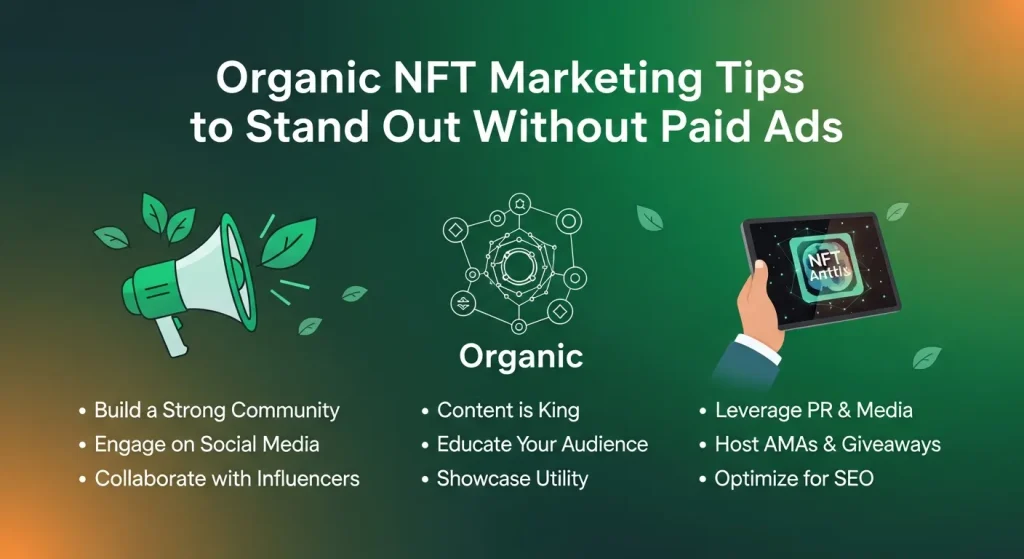
Organic NFT marketing helps creators grow sustainably through community building, content creation, SEO, and partnerships. By focusing on trust, transparency, and engagement, NFT projects can build loyal audiences and achieve long-term success without relying heavily on paid advertising.
The NFT world is growing rapidly, and with it comes fierce competition. While paid ads can help boost visibility, some creators and brands are turning to organic NFT marketing to grow their audience authentically. Organic efforts not only save your budget but also help build trust and genuine connections with your audience.
What Are Organic NFT Marketing Strategies?
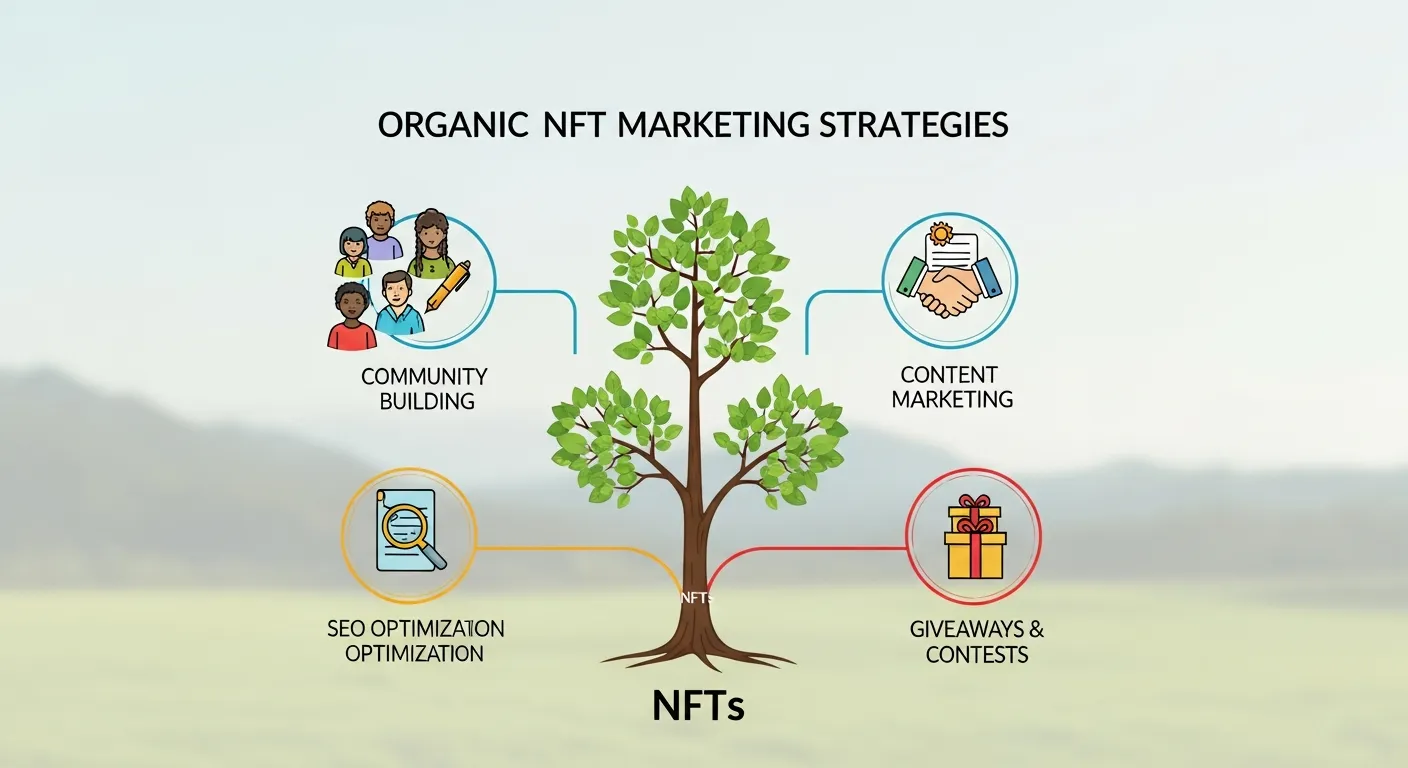
Organic marketing refers to methods that attract and engage your audience without involving paid ads. This can include creating high-quality content, leveraging community platforms, and building partnerships. For NFTs, organic strategies focus on authenticity and earning trust, as audiences in the decentralized world often favor engagement over interruption.
1. Leverage the Power of Social Media
Social media platforms remain a powerful tool for growing your NFT community. However, the social media strategies for NFTs differ slightly from standard marketing techniques.
Choose the Right Platforms
Choosing the correct platform is essential for reaching your target audience. Consider the following platforms for NFT marketing:
- Twitter: Known as the hub of NFT discussions, Twitter is perfect for sharing updates, hosting polls, and joining conversations using relevant hashtags like #NFTs and #Web3.
- Instagram: If your NFTs are visually striking, use Instagram to showcase them. Post reels, carousels, or behind-the-scenes content.
- Discord: Building a Discord server allows you to grow a community where fans can engage directly with your project.
- TikTok: Short, engaging videos introducing your NFT project can help you gain massive visibility, especially among younger audiences.
Supercharge Your Posts
For organic growth:
- Use hashtags strategically. Avoid spamming hashtags in a single post; stick with 5–7 relevant ones.
- Post regularly to keep your audience engaged.
- Encourage interaction using questions, polls, or Q&As.
2. Focus on Community Building
If there’s one golden rule for NFT success, it’s community is king. NFT owners and prospective buyers want to feel part of something bigger. Creating a community fosters trust and loyalty.
Discord is Key
Your own Discord server can serve as your community’s central hub. Here, you can:
- Share project updates
- Answer questions
- Host exclusive events like giveaways and AMAs (Ask Me Anything)
To grow your Discord organically, promote it on other social platforms and offer incentives like early access or exclusive content.
Reward Your Early Adopters
Highlight and celebrate your earliest supporters with airdrops, exclusive merchandise, or NFTs reserved only for loyal community members.
3. Collaborate with Influencers and Other Projects
Collaborations are invaluable in NFT marketing. Instead of traditional influencer sponsorships, focus on partnerships that organically align with your brand.
Partner with Influencers
Find influencers or creators in the NFT, blockchain, or art space whose audience aligns with yours. Instead of paying upfront for promotion, suggest collaborations where they receive:
- Exclusive NFTs from your collection
- Revenue-sharing models on sales
- Co-branded giveaways for their audience
Cross-Promote with Other NFT Creators
Partnering with other NFT projects can also help you reach a broader audience. Whether it’s co-creating a limited-edition collection or hosting collaborative Twitter Spaces, teamwork can accelerate growth for all parties involved.
4. Create High-Quality, Valuable Content
Content is the backbone of digital marketing, including for NFTs. By consistently creating valuable content, you can educate, entertain, and engage your community.
Go Beyond Promotion
Rather than solely pushing your NFT project, focus on content that resonates with your audience. Examples include:
- Explainers on how NFTs work
- Trends in the NFT market
- Behind-the-scenes looks at your creative process
- Tutorials and guides for beginners entering the NFT world
Use Video Content
Videos, especially short ones on TikTok, YouTube Shorts, or Instagram Reels, perform exceptionally well. Show your audience the story behind your NFTs, teasers for upcoming drops, or highlights from your latest events.
5. Optimize Your Digital Spaces
Your website and profiles are your NFT project’s first impression. Make sure they’re optimized for organic growth.
SEO for NFTs
Search engines might not be the first place you’d consider for marketing NFTs, but SEO has its place.
- Include relevant keywords like “NFT art,” “blockchain collectibles,” and “digital NFTs” on your site and blog posts.
- Leverage FAQ sections to answer common questions.
- Use meta descriptions and tags to help search engines understand your pages.
Build a Compelling Landing Page
Your website should clearly showcase:
- The value proposition of your NFTs
- A roadmap of upcoming project goals
- Links to marketplaces like OpenSea or Rarible
Avoid clutter. Simplicity and functionality win trust.
6. Host Virtual and Real-Life Events
Creating memorable experiences, either virtually or in person, is a fantastic way to grow your presence organically.
Virtual Events
Host virtual meet-ups, workshops, or Twitter Spaces where you can connect with your audience. These conversations not only keep people engaged but establish your thought leadership.
IRL Gatherings
Plan real-world events such as NFT art showcases or collaborative drops with local artists. These events build buzz around your project and attract media attention.
Build a Strong Personal Brand

In the NFT ecosystem, people often invest in the creator as much as the artwork. Building a strong personal brand helps establish credibility and long-term trust. Share your journey, inspiration, creative process, and vision openly. Transparency builds confidence among collectors. Post consistently across platforms, use a recognizable visual identity, and maintain a clear voice in your messaging. When audiences connect emotionally with your story, they’re more likely to support your NFT drops. Authenticity is key—avoid exaggerated promises and focus on delivering value. Over time, a strong personal brand becomes one of your most powerful organic marketing assets.
Develop a Clear Roadmap
NFT buyers look for long-term potential, not just a one-time drop. A detailed roadmap shows your project’s future plans, including upcoming features, partnerships, utilities, and expansion goals. Clearly communicate milestones and timelines to your community. When collectors understand where the project is heading, they feel more confident investing. Regular updates about roadmap progress keep engagement high and prevent uncertainty. Transparency about challenges also builds trust. A strong roadmap is more than a marketing tool—it’s proof that your NFT project is serious and sustainable.
Use Email Marketing Strategically
Email marketing remains one of the most underrated organic NFT marketing tools. Build an email list through your website by offering early access, exclusive insights, or free educational content. Unlike social media algorithms, email gives you direct access to your audience. Send updates about upcoming drops, project milestones, and community highlights. Keep emails concise, visually appealing, and valuable. Avoid spamming—focus on quality over quantity. Over time, a well-maintained email list becomes a reliable channel for consistent engagement and conversions.
Create Educational Blog Content
Publishing blog articles about NFTs, blockchain trends, and digital art can position you as a thought leader. SEO-optimised content attracts organic search traffic from people researching NFTs. Write beginner guides, market insights, and tutorials explaining how your NFTs provide value. Educational content builds authority and increases website visibility. It also helps newcomers understand the ecosystem, making them more comfortable purchasing. Blogging consistently strengthens your long-term organic reach.
Leverage User-Generated Content
Encourage your community members to share their NFT purchases on social media. Feature collectors’ posts, testimonials, and creative displays of your NFTs. User-generated content acts as social proof and builds credibility. Run community challenges or contests to motivate sharing. When supporters actively promote your project, your organic reach expands naturally. Social proof is extremely powerful in Web3, where trust influences purchasing decisions.
Implement Gamification
Gamification increases engagement and retention within your NFT community. Create reward systems, leaderboard competitions, or milestone achievements for active members. Offer special badges, exclusive roles, or limited NFT perks. Interactive elements make your community feel dynamic and fun. Gamification also motivates participation in events and discussions. When people feel involved, they are more likely to stay loyal and spread awareness organically.
Participate in NFT Communities
Instead of focusing only on promoting your project, actively engage in broader NFT communities. Join Twitter Spaces, comment on industry discussions, and support other creators. Genuine participation builds recognition and trust. Avoid excessive self-promotion—offer value, share insights, and contribute meaningfully. Over time, consistent engagement positions you as a respected member of the NFT ecosystem.
Develop Strategic Partnerships
Collaborate with Web3 tools, NFT marketplaces, or crypto-related startups. Strategic partnerships enhance credibility and visibility. Joint announcements, shared campaigns, or co-hosted events introduce your project to new audiences organically. Choose partnerships aligned with your project’s mission to maintain authenticity.
Use Analytics to Improve Strategy
Track performance metrics across social media, website traffic, and community engagement. Analyze which posts generate the most interaction and which channels drive the most traffic. Data-driven adjustments improve organic marketing results over time. Optimization ensures sustainable growth.
Offer Real Utility
Utility strengthens organic demand. Provide benefits such as exclusive content, event access, staking opportunities, or membership perks. When NFTs offer real value beyond artwork, community retention increases. Utility-driven projects often gain stronger long-term support.
How Organic Efforts Can Secure Long-Term Growth
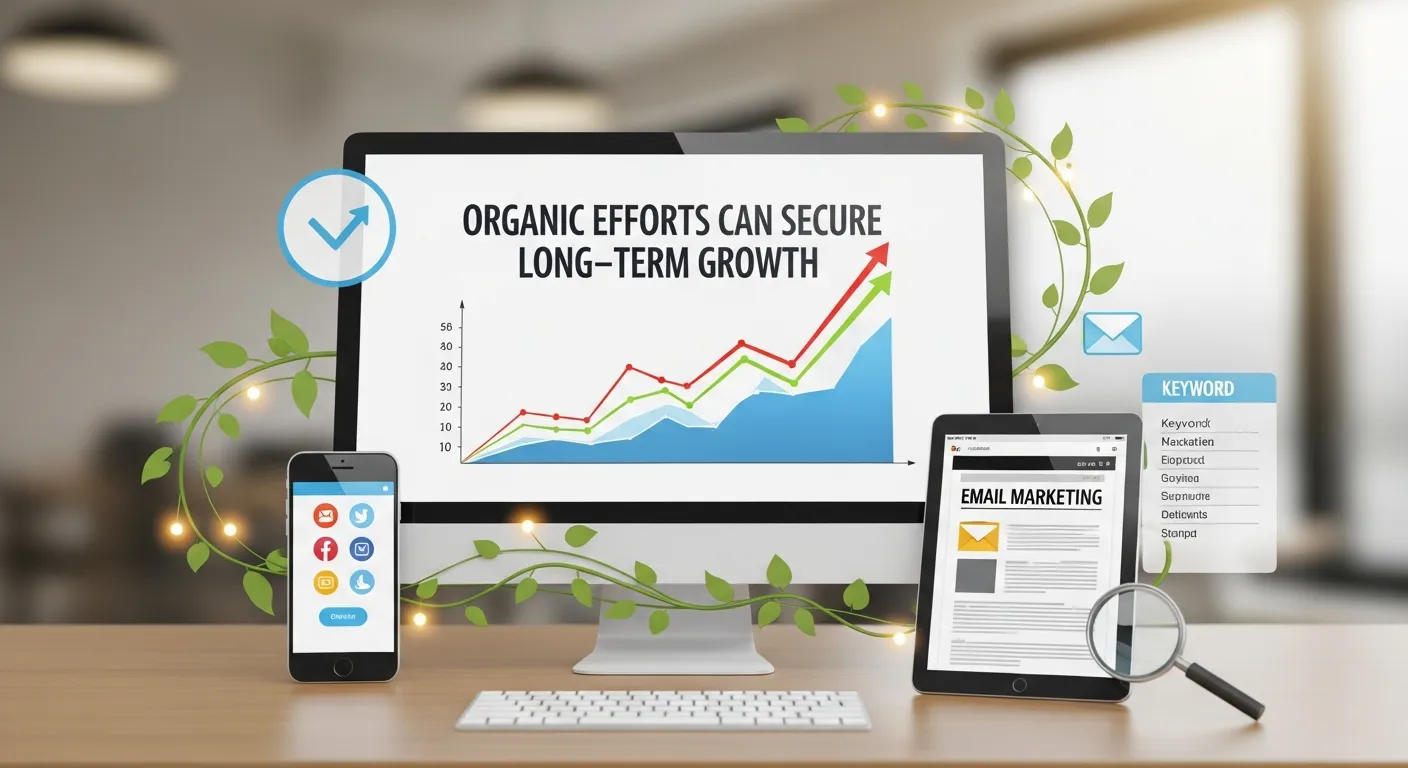
Unlike paid ads, organic strategies create authentic relationships that convert curious onlookers into dedicated supporters. Whether you’re focusing on community building or leveraging influencer collaborations, these approaches set the foundation for a thriving NFT brand.
Why Start Now?
The NFT space is booming, and competition shows no signs of slowing down. Starting your organic NFT marketing strategy today allows your project to stand out from the crowd while building a genuine community that stays loyal as trends shift.
Conclusion
Organic NFT marketing is about authenticity, patience, and community-driven growth. Instead of relying solely on paid promotions, creators can build sustainable visibility through content, collaboration, and meaningful engagement. Trust is the currency of Web3, and organic strategies strengthen that trust over time. By focusing on education, transparency, and real value, NFT projects can thrive even in a competitive landscape. The key is consistency, community, and long-term vision.
FAQs About Organic NFT Marketing (Extended Version)
1. What is organic NFT marketing?
Organic NFT marketing refers to promoting an NFT project without using paid advertisements. Instead, it focuses on building a strong community, creating valuable content, optimizing for search engines, and engaging audiences through social media and partnerships. The goal is to grow naturally by earning trust and credibility over time rather than buying attention.
2. Why is community important in NFTs?
Community is the foundation of any successful NFT project. In Web3, buyers want to feel connected to a mission or movement, not just a product. A strong community increases engagement, builds loyalty, and encourages word-of-mouth promotion. Active members often become long-term supporters and brand ambassadors.
3. Which platform is best for NFT promotion?
Twitter (X) and Discord are considered the most effective platforms for NFT marketing. Twitter is ideal for public conversations, announcements, and NFT discussions, while Discord helps build deeper community engagement. Instagram and TikTok can also work well for visually driven NFT projects.
4. Is SEO useful for NFTs?
Yes, SEO plays an important role in long-term organic growth. By optimizing your website with keywords like “NFT art collection” or “blockchain collectibles,” you can attract users searching for NFT-related information. Blog posts, FAQs, and optimized landing pages help improve search visibility.
5. How often should I post on social media?
Consistency is more important than frequency. Posting daily or several times a week keeps your audience engaged and aware of updates. However, quality should always come before quantity. Each post should provide value, spark conversation, or educate your audience.
6. What type of content performs best in NFT marketing?
Educational content, behind-the-scenes insights, market updates, and short-form videos perform exceptionally well. Tutorials explaining NFTs, creator journeys, and drop announcements also attract strong engagement. Video content on platforms like TikTok, YouTube Shorts, and Instagram Reels often generates higher organic reach.
7. How do collaborations help NFT projects grow?
Collaborations introduce your project to new but relevant audiences. Partnering with NFT creators, influencers, or Web3 startups builds credibility and expands visibility. Joint Twitter Spaces, co-branded drops, and shared giveaways can significantly increase organic exposure.
8. Can email marketing work for NFTs?
Yes, email marketing is highly effective because it provides direct communication with your audience. Unlike social media, email is not controlled by algorithms. You can share drop announcements, roadmap updates, and exclusive content directly with subscribers.
9. Should I host virtual events for my NFT project?
Hosting virtual events such as AMAs, Twitter Spaces, live streams, and webinars builds authority and strengthens community trust. These events allow direct interaction with supporters, answer questions transparently, and humanize your project.
10. How long does organic NFT growth take?
Organic growth takes time and patience. Unlike paid ads that generate quick traffic, organic strategies build gradual momentum. With consistent effort, community engagement, and valuable content, sustainable growth typically develops over several months.
11. What is NFT utility, and why does it matter?
NFT utility refers to additional benefits beyond digital ownership. This can include exclusive content, event access, staking rewards, membership perks, or governance rights. Strong utility increases long-term value and encourages holders to stay invested in the project.
12. Is organic marketing better than paid ads for NFTs?
Both strategies have advantages. Paid ads can provide quick visibility, but organic marketing builds deeper trust, stronger community relationships, and long-term sustainability. For most NFT projects, combining both strategically delivers the best results.