
The Ultimate Guide to Influencer Marketing for NFTs: Boost Your Reach & Sales
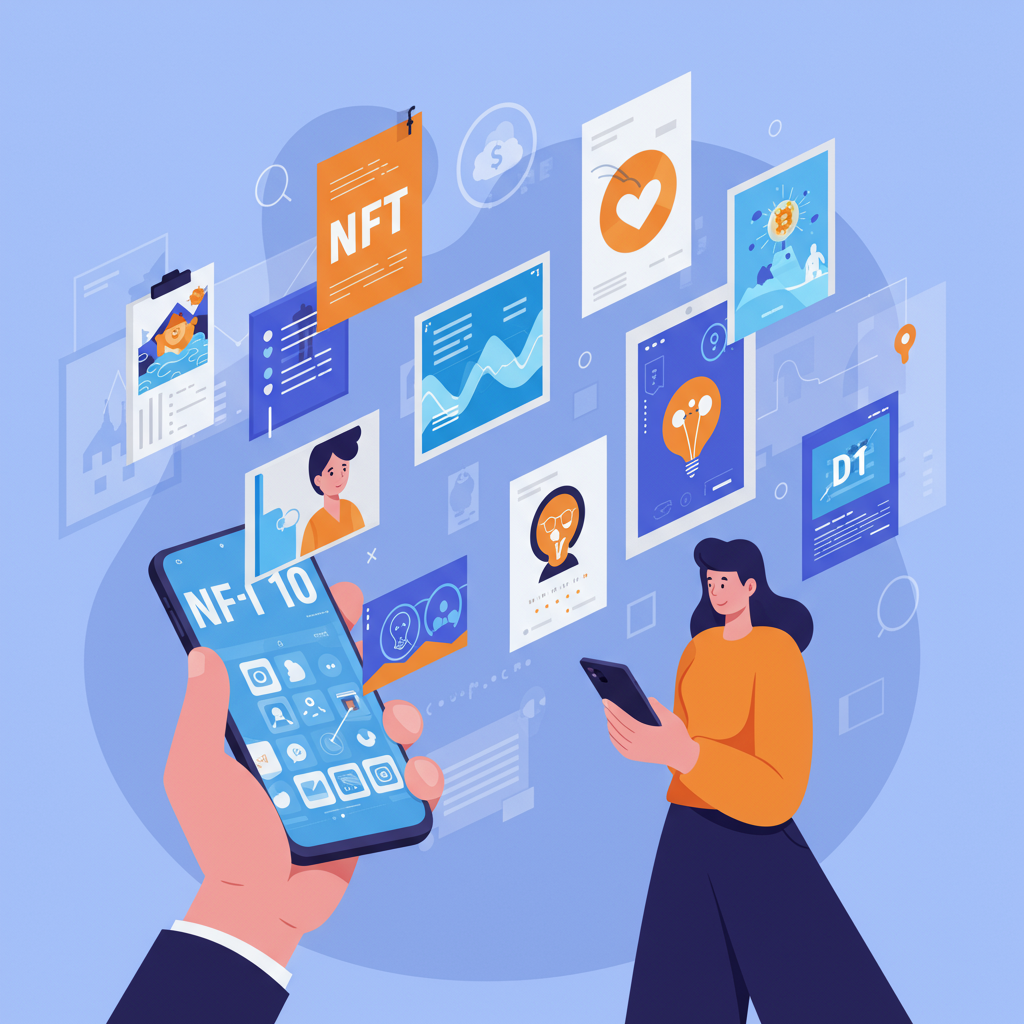
Influencer marketing empowers NFT projects to build trust, expand reach, and engage communities authentically. By partnering with aligned creators, leveraging diverse content formats, and tracking performance, brands can drive mints, sustain secondary sales, and grow long-term value. Strategic influencer collaboration transforms NFT launches into credible, community-driven successes.
In a crowded digital landscape, NFT projects need powerful strategies to stand out. While social media ads and community building remain vital, influencer marketing offers an authentic pathway to reach passionate audiences. By partnering with trusted voices in the art, gaming, and crypto spheres, you can humanize your NFT collection, build credibility, and drive meaningful engagement.
As the NFT ecosystem continues to mature, audiences are becoming more selective about which projects they support. Influencers act as a bridge between complex blockchain concepts and everyday users by translating value in a relatable, trustworthy way. Their storytelling helps potential collectors understand not just the utility of an NFT, but the vision, creativity, and community behind it. This personal connection often leads to stronger loyalty, higher participation, and long-term advocacy for your project beyond a single launch or mint event.
What Is Influencer Marketing and Why It Matters for NFTs

Influencer marketing involves collaborating with individuals who have established credibility and a loyal following. In the NFT space, these influencers range from digital artists to blockchain enthusiasts. Their endorsements can spark excitement, drive secondary sales, and expand your community beyond usual channels. Unlike traditional ads, influencer content resonates because it emerges organically within trusted conversations. When done right, this approach amplifies reach, fosters authenticity, and accelerates adoption of your NFT project.
Identifying the Right Types of NFT Influencers
Not all influencers deliver the same impact. Selecting partners aligned with your brand values and target audience is crucial. Here are common categories to consider:
- Micro-Influencers (10K–50K followers): Highly engaged communities; cost-effective; ideal for niche art scenes.
- Macro-Influencers (50K–500K followers): Balanced reach and engagement; suitable for mainstream crypto audiences.
- Celebrity Influencers (500K+ followers): Massive exposure; higher budgets; best for blue-chip NFT drops.
- Platform-Specific Tastemakers: Twitter crypto analysts, YouTube NFT reviewers, and Discord community leaders who drive conversations in specialized forums.
How to Find and Vet Potential Influencers
A systematic vetting process prevents wasted budgets and brand mismatches. Follow these steps:
- Audience Analysis: Use analytics tools to verify follower demographics, engagement rates, and audience interests.
- Content Relevance: Review past posts to ensure the influencer discusses NFTs, digital art, or blockchain topics authentically.
- Engagement Quality: Look beyond like counts—evaluate comments, retweets, and shares to gauge real community interaction.
- Brand Alignment: Ensure the influencer’s tone and values complement your project’s vision to maintain authenticity.
- Past Partnerships: Check for previous NFT campaigns or similar collaborations to assess performance and reliability.
Crafting an Effective Influencer Campaign Strategy
A well-structured campaign elevates both your NFT project and the influencer’s brand. Consider these best practices:
- Clear Objectives: Define KPIs such as mint count, website visits, or Discord sign-ups before outreach.
- Creative Freedom: Allow influencers to share their honest perspective to maintain trust with their audience.
- Content Mix: Blend static images, short videos, live streams, and AMAs to cater to diverse preferences.
- Exclusive Perks: Offer early access, limited-edition NFTs, or discount codes to incentivize engagement.
- Cross-Promotion: Leverage the influencer’s network by coordinating posts across Twitter, Instagram, YouTube, and Discord.
Negotiating Compensation and Contracts
Compensation models can include flat fees, performance-based payments, or NFT airdrops. When negotiating:
- Be Transparent: Clearly outline deliverables, timelines, and exclusivity clauses in writing.
- Align Incentives: Structure bonuses for hitting mint targets or driving secondary sales to motivate influencers.
- Protect IP Rights: Specify usage rights for content to avoid disputes over ownership and future promotions.
Understanding NFT Audience Psychology
NFT buyers are driven by more than visuals—they value community, exclusivity, and identity. Understanding audience psychology helps brands design influencer campaigns that tap into emotional triggers such as scarcity, belonging, and future value. Influencers play a key role in shaping perception by translating technical blockchain concepts into relatable stories. When audiences feel emotionally invested, they are more likely to mint, hold, and advocate for the project. Successful campaigns recognize that collectors often seek validation from trusted voices before purchasing. By aligning influencer messaging with collector motivations—status, creativity, and innovation—NFT projects can foster deeper loyalty and long-term engagement rather than one-time transactions.
Building Long-Term Influencer Relationships

One-off influencer posts may create short-term spikes, but long-term partnerships build sustained trust. Ongoing collaborations allow influencers to grow alongside your project, providing consistent exposure and credibility. Over time, their audience becomes familiar with your brand, reducing skepticism and increasing conversion rates. Long-term relationships also enable richer storytelling, including behind-the-scenes content, roadmap updates, and milestone celebrations. This continuity reinforces legitimacy in a market often criticized for hype-driven launches. NFT brands that treat influencers as strategic partners—rather than ad placements—benefit from stronger community integration, better content quality, and improved campaign ROI.
Leveraging Influencers During Pre-Mint Phases
The pre-mint phase is critical for generating anticipation and demand. Influencers can introduce your project early, explain its utility, and highlight upcoming benefits without aggressive selling. Educational threads, teaser videos, and sneak previews help warm up audiences before the mint date. This approach reduces friction at launch by ensuring potential buyers already understand the value proposition. Influencers can also drive whitelist sign-ups, Discord participation, and email subscriptions. When executed strategically, pre-mint influencer activity creates momentum that carries through launch day, increasing sell-through rates and reducing reliance on paid ads.
Influencer Content Formats That Convert
Different content formats influence buyer behavior in different ways. Short-form videos capture attention quickly, while long-form reviews build trust through depth. Twitter threads educate crypto-native audiences, while YouTube walkthroughs help newcomers understand technical details. Live streams and AMAs allow real-time interaction, addressing objections instantly. By combining multiple formats, NFT projects maximize reach and engagement across platforms. Influencers who tailor content to their audience’s consumption habits achieve better results than those using generic posts. A diversified content strategy ensures your message resonates with both seasoned collectors and first-time NFT buyers.
Integrating Influencers Into Discord Communities
Discord is the heartbeat of most NFT projects. Influencers can strengthen community engagement by hosting AMAs, sharing insights, or participating in conversations. Their presence adds credibility and encourages organic discussion among members. Influencers can also help moderate communities, explain updates, and reinforce positive sentiment during uncertain market conditions. This direct interaction humanizes the project and bridges the gap between creators and collectors. When influencers become active community members rather than external promoters, trust increases and churn decreases, leading to stronger holder retention.
Using Influencers to Educate New NFT Buyers
Many potential collectors hesitate due to confusion around wallets, gas fees, and blockchain mechanics. Influencers can simplify these concepts through tutorials and step-by-step guides. Educational content lowers entry barriers and expands your target audience beyond crypto veterans. By addressing common fears and misconceptions, influencers help build confidence and credibility. This approach is especially effective for onboarding non-technical users who rely heavily on trusted voices. Education-driven influencer campaigns position your project as inclusive and user-friendly, increasing adoption and long-term participation.
Influencer-Led Storytelling for NFT Brands
Storytelling transforms NFT projects from digital assets into cultural movements. Influencers can narrate your brand’s origin, mission, and future vision in a relatable way. Personal stories resonate more than promotional copy, making the project feel authentic and human. Through storytelling, influencers help audiences emotionally connect with the creators and community. This emotional bond often influences purchasing decisions more than technical specifications. Strong narratives also improve shareability, extending organic reach across platforms and reinforcing brand identity.
Managing Influencer Risk and Reputation
The NFT space is volatile, making influencer reputation management essential. Brands must monitor influencer behavior, past controversies, and community sentiment. Clear guidelines and contracts help mitigate risks such as misinformation or unethical promotion. Regular communication ensures alignment during market shifts or unexpected events. By proactively managing risk, NFT projects protect their credibility and avoid backlash that can damage long-term value. Responsible influencer partnerships strengthen trust rather than undermining it.
Scaling Influencer Campaigns Globally
NFTs are inherently global, and influencer marketing allows projects to scale across regions. Collaborating with creators in different geographies helps localize messaging and reach diverse audiences. Regional influencers understand cultural nuances, language preferences, and platform trends. This localization increases relevance and engagement while reducing miscommunication. Global influencer strategies also distribute risk, preventing overdependence on a single market. Well-executed international campaigns accelerate adoption and position NFT brands for worldwide recognition.
Influencer Marketing in Bear Markets
During market downturns, trust becomes more valuable than hype. Influencers can stabilize sentiment by focusing on long-term value, roadmap progress, and community strength. Authentic voices help reduce panic selling and reinforce confidence. Content during bear markets should emphasize transparency, education, and sustainability. Projects that maintain influencer relationships during downturns often emerge stronger when the market rebounds. Consistent communication signals resilience and commitment, key factors for retaining serious collectors.
Legal and Compliance Considerations
Transparency is essential in influencer marketing. Clear disclosure of paid partnerships protects both the brand and influencer from legal issues. NFT projects should ensure compliance with advertising regulations and platform guidelines. Contracts should outline responsibilities, content ownership, and disclosure requirements. Ethical practices build trust with audiences and regulators alike. By prioritizing compliance, NFT brands avoid reputational damage and establish credibility in an increasingly scrutinized industry.
Future Trends in NFT Influencer Marketing
The future of NFT influencer marketing will prioritize authenticity, data-driven insights, and community integration. AI analytics, decentralized social platforms, and creator-led DAOs will shape collaboration models. Influencers will evolve into co-creators and stakeholders rather than promoters. Brands that adapt early will gain competitive advantage. Staying informed about emerging trends ensures your influencer strategy remains relevant, scalable, and impactful in a rapidly changing digital ecosystem.
Measuring and Optimizing Influencer ROI
Tracking performance is essential for justifying spend and refining future campaigns. Key metrics include:
- Engagement Rate: Likes, comments, and shares relative to follower count.
- Traffic Attribution: Monitor clicks and conversions using UTM codes or referral links.
- Mint Volume: Count NFT sales directly attributable to influencer promotions.
- Community Growth: Measure increases in Discord members, Twitter followers, or newsletter subscribers.
- Sentiment Analysis: Use social listening tools to assess audience reactions and brand perception.
Regularly share reports with influencers to foster collaboration and adjust content strategies in real time.
Case Studies: Successful NFT Influencer Campaigns
1. ArtBlock Syndicate partnered with 10 micro-influencers for a blind mint campaign. By offering early previews and exclusive giveaways, they achieved a 90% sell-out in under 2 hours.
2. PixelPioneers collaborated with a major YouTube NFT reviewer to launch a tutorial series. The in-depth walkthroughs led to sustained traffic and a 40% increase in secondary market volume post-drop.
Common Pitfalls and How to Avoid Them
- Overspending on Celebrity Influencers: High fees don’t guarantee better results. Balance reach with engagement quality.
- Ignoring Micro-Influencers: Niche creators often deliver higher ROI through genuine connections.
- Lack of Clear Briefs: Ambiguous directives lead to off-brand messaging and missed objectives.
- Failure to Track Results: Without data, you can’t optimize campaigns or justify budgets.
Conclusion
Influencer marketing has emerged as a cornerstone strategy for NFT projects seeking rapid growth and long-term credibility. By carefully selecting partners, crafting authentic campaigns, and rigorously tracking performance, you can unlock new audiences and drive meaningful engagement. Whether you’re launching your first collection or scaling an established brand, the principles in this guide will help you harness the power of influencers to achieve your NFT marketing goals.
Ready to elevate your next NFT drop? Start building relationships with the right influencers today and watch your project thrive in the ever-evolving digital art ecosystem.
Frequently Asked Questions (FAQ)
1. What makes influencer marketing effective for NFTs?
Influencer marketing works for NFTs because it combines authenticity, relatability, and trust. Influencers who genuinely support a project can educate their audience, showcase utility, and create organic hype, making promotions feel like personal recommendations rather than traditional ads.
2. Are micro-influencers better for NFT projects?
Often yes. Micro-influencers have smaller but highly engaged audiences, leading to stronger trust and higher conversion rates. They’re ideal for niche NFT communities where authenticity and direct interaction matter more than reach alone.
3. How long should NFT influencer campaigns last?
Long-term partnerships generally outperform one-off promotions. Continuous collaboration helps maintain community interest, reinforces project credibility, and sustains secondary market activity over time.
4. Can influencer marketing drive secondary NFT sales?
Yes. By consistently promoting a project and its value proposition, influencers encourage ongoing trading and marketplace activity, increasing liquidity and interest in existing NFT collections.
5. Is influencer marketing expensive for NFT projects?
Costs vary widely. Micro-influencers may accept lower fees or NFT-based compensation, while larger influencers demand higher rates. Campaigns can be scaled to fit small budgets or major launches effectively.
6. Should influencers receive NFTs as compensation?
NFT airdrops work well when aligned with campaign goals. Offering influencers early access or exclusive tokens incentivizes authentic promotion and strengthens their personal connection to the project.
7. Which platforms work best for NFT influencers?
Twitter, YouTube, Discord, and Instagram dominate NFT promotion. Twitter and Discord foster community discussions, YouTube enables tutorials and reviews, and Instagram showcases visual art and collectibles effectively.
8. How do you track influencer ROI for NFT campaigns?
Monitor engagement metrics, traffic driven to minting pages, NFT sales or mints, social mentions, and community growth. Combining quantitative metrics with qualitative feedback ensures accurate campaign assessment.
9. Can influencer campaigns work during bear markets?
Yes. Focusing on education, transparency, and trust during downturns helps maintain long-term community interest and positions the project for growth when market conditions improve.
10. Do influencers need creative freedom for NFT campaigns?
Absolutely. Allowing influencers to communicate in their own style enhances authenticity, strengthens audience trust, and ensures campaigns feel organic rather than forced.
11. Is influencer marketing suitable for new NFT projects?
Definitely. Influencers help new projects gain initial exposure, build credibility, and grow early communities, which are crucial for long-term success and secondary market activity.
12. How can NFT projects maximize influencer effectiveness?
Combine educational content, interactive campaigns, and community engagement. Use giveaways, AMAs (Ask Me Anything), live streams, and token-gated access to deepen audience participation and long-term loyalty.