
Metaverse Showrooms: How Virtual Experiences Are Transforming NFT Marketing
Metaverse showrooms revolutionize NFT marketing by offering immersive 3D spaces for exploration, interaction, and purchases. They enhance engagement, provide global accessibility, and enable data-driven insights. By choosing the right platform, designing compelling exhibitions, promoting strategically, and integrating seamless sales mechanics, creators can drive community growth, conversions, and long-term success in virtual marketplaces.
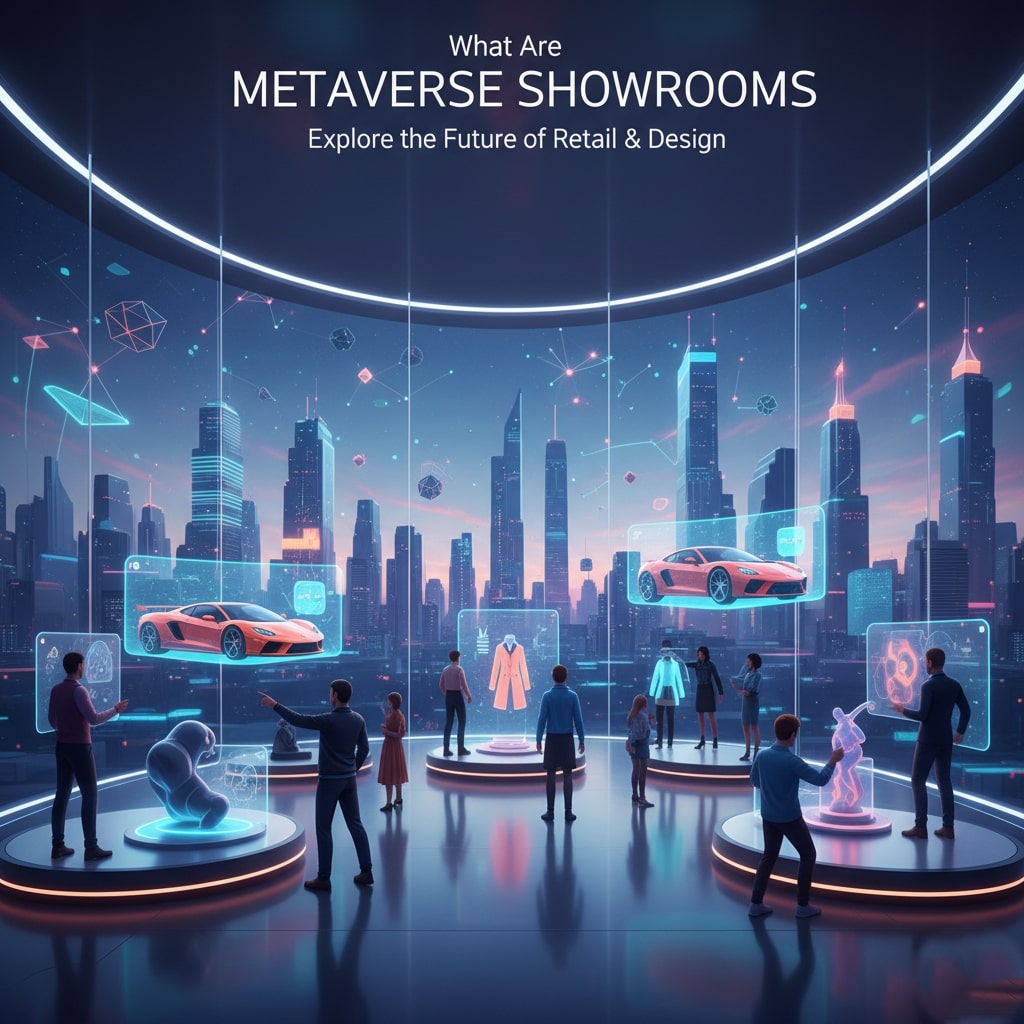
In today’s rapidly evolving blockchain and digital art landscape, traditional marketing methods are giving way to immersive, interactive experiences that fundamentally change how audiences discover, interact with, and purchase NFTs. Metaverse showrooms—fully 3D virtual galleries hosted in decentralized environments—offer artists, collectors, and platforms a dynamic space to present digital art in ways that static webpages or image-based galleries cannot.
These showrooms allow visitors to navigate virtual spaces with avatars, explore art in interactive ways, and engage with live events, guided tours, or social interactions in real time. By creating a sense of presence and immersion, metaverse showrooms enhance user engagement, encourage longer dwell times, and strengthen brand and project recall. Beyond engagement, these virtual environments also foster social proof; seeing other collectors interact, bid, or comment in real time builds credibility, trust, and excitement around the NFTs.
Another key advantage is global accessibility. Unlike physical galleries, metaverse showrooms are open 24/7 to anyone with an internet connection, removing geographical barriers and expanding audience reach across different time zones. Additionally, these virtual spaces generate valuable data insights, allowing creators and platforms to track visitor paths, dwell times, hotspots of interaction, and engagement behaviors. This data informs strategic decisions, such as exhibition layouts, marketing campaigns, and the timing of NFT drops.
This comprehensive guide delves into why metaverse showrooms are becoming a critical component of NFT marketing, how to select the right platform, design compelling exhibitions, promote launches effectively, and measure success. By integrating these practices, NFT projects can transform passive browsing into highly interactive and socially engaging experiences, ultimately driving higher sales, stronger community engagement, and lasting impact in the digital art ecosystem.
What Are Metaverse Showrooms?
Why Use Metaverse Showrooms for NFT Marketing?
Integrating a metaverse showroom into your NFT marketing strategy delivers powerful, measurable advantages that go far beyond traditional digital promotion.
Immersive Engagement
Unlike flat websites or image galleries, 3D virtual environments invite visitors to explore, interact, and spend meaningful time with your NFTs. This deeper engagement increases dwell time, strengthens emotional connections, and significantly improves brand recall.
Social Proof
Live events, guided tours, and real-time chat transform the showroom into a shared social space. Seeing other collectors explore, discuss, or purchase NFTs builds credibility, trust, and a strong sense of FOMO, encouraging faster decision-making.
Global Accessibility
Metaverse showrooms operate without physical or geographic limits. Open 24/7, they allow collectors from around the world to participate regardless of location or time zone, dramatically expanding reach and inclusivity.
Actionable Data Insights
Built-in analytics make it possible to track visitor behavior, popular exhibits, and interaction hotspots. These insights help refine layouts, sharpen messaging, and optimize NFT launch timing for higher engagement and conversions.
Choosing the Right Metaverse Platform
Selecting a platform should align with your goals, technical capabilities, and target audience. Key considerations include:
-
User Base: Platforms like Decentraland and CryptoVoxels have active NFT communities, ideal for high foot traffic.
-
Customization Options: Sandbox and Somnium Space provide advanced builder tools for fully custom environments but require more development effort.
-
Integration Ease: Platforms with native marketplace links (e.g., OpenSea in Sandbox) simplify purchases and reduce buyer friction.
-
Cost and Ownership: Assess land or rental fees, smart contract royalties, and potential gas or platform fees that could affect ROI.
This approach ensures that your metaverse showroom is not only visually engaging but also strategically positioned for maximum impact and sales.
Choosing the Right Metaverse Platform
Designing a Compelling Virtual Exhibition
Creating an engaging metaverse showroom requires careful attention to aesthetics, user experience, and storytelling. Key design principles include:
-
Visual Hierarchy: Highlight important NFTs by placing them in prominent, well-lit areas. Use spotlights, animated banners, or color contrasts to draw visitor attention.
-
Spatial Flow: Arrange artworks in a logical or thematic sequence, guiding visitors through a narrative. Utilize signage, arrows, or floor patterns to manage movement and create a smooth journey.
-
Interactivity: Incorporate clickable hotspots, info panels, or audio guides to provide additional context such as artist statements, rarity, or provenance. Enhance engagement with gamified elements like easter eggs or scavenger hunts.
-
Accessibility: Ensure text readability, offer translation options for global visitors, and optimize performance for lower-end devices to provide an inclusive experience for all collectors.
A well-designed virtual exhibition not only showcases NFTs effectively but also maximizes visitor engagement and dwell time, turning exploration into meaningful interactions.
Promoting Your Showroom Launch
Even the most beautifully designed metaverse showroom requires effective promotion to attract visitors and generate engagement. Key strategies include:
-
Social Media Teasers: Share sneak-peek videos, AR filters, or highlights of featured NFTs. Incorporate countdowns and early-access codes to create anticipation and urgency.
-
Influencer Partnerships: Collaborate with NFT collectors, digital artists, or metaverse enthusiasts to host guided tours or livestream walkthroughs, expanding your reach to their communities.
-
Email Campaigns: Engage your existing audience with personalized invitations, VIP passes, and exclusive behind-the-scenes content to encourage participation and early visits.
-
Community Events: Organize AMAs, panel discussions, or virtual live experiences (like DJ sets) within the showroom. Interactive events foster engagement, extend visitor dwell time, and drive word-of-mouth promotion.
Strategic promotion ensures your virtual exhibition reaches the right audience, maximizes attendance, and builds excitement around your NFT collection.
Integrating Sales and Drop Mechanics
To convert explorers into buyers, integrate seamless purchase flows and scarcity-driven mechanics:
- On-Site Market Links: Link each exhibit directly to its listing page. Use pop-up confirmations and gas-fee estimates to reduce checkout friction.
- Timed Drops: Schedule limited-time minting windows with real-time countdown clocks in the showroom, encouraging immediate action.
- Tiered Access: Offer pre-mint whitelist spots or exclusive edition reveals to early supporters. Communicate tier benefits clearly in the environment.
Measuring Success: Metrics to Track
Tracking performance is essential to evaluate your metaverse showroom’s impact and optimize future campaigns. Key metrics include:
-
Visitor Count: Number of unique avatars entering the showroom and repeat visits over time.
-
Dwell Time: Average duration of visits and time spent at individual exhibits.
-
Engagement Actions: Interactions with info hotspots, social shares, event participation, or chat activity.
-
Conversion Rate: Percentage of visitors who purchase or mint NFTs directly from the showroom.
-
Revenue Generated: Total sales volume, average sale value, and ROI compared to marketing spend.
Monitoring these KPIs provides actionable insights to refine exhibit layout, promotional strategies, and overall user experience, ensuring sustained engagement and higher sales performance.
Future Trends in Metaverse NFT Marketing

As the metaverse ecosystem matures, expect innovations such as cross-realm interoperability (porting showrooms between worlds), AI-powered personalization (custom gallery layouts based on user behavior), and deeper blockchain integrations (on-chain provenance trails displayed in real time). Staying ahead of these trends ensures your NFT marketing remains at the forefront of digital innovation.
Conclusion
FAQ – Metaverse Showrooms for NFT Marketing
Q1: What is a metaverse showroom?
A metaverse showroom is a virtual 3D space where users can explore, interact with, and purchase NFTs in real time, often with avatar navigation, live events, and customizable layouts.
Q2: Why should NFT creators use metaverse showrooms?
They boost immersive engagement, social proof, global reach, and provide actionable data on visitor behavior, helping refine marketing strategies and drive sales.
Q3: Which platforms are best for metaverse showrooms?
Decentraland, The Sandbox, CryptoVoxels, and Somnium Space are popular choices, offering different balances of user base, customization, marketplace integration, and cost.
Q4: How can I make my virtual exhibition engaging?
Use visual hierarchy, spatial storytelling, interactive info panels, gamified elements, and accessibility features to ensure a seamless and memorable user experience.
Q5: How can I promote a showroom launch?
Leverage social media teasers, influencer partnerships, email campaigns, and interactive community events to attract visitors and build hype.
Q6: How do I integrate sales in the showroom?
Use on-site marketplace links, timed NFT drops, tiered access, and clear checkout processes to convert visitors into buyers efficiently.
Q7: What metrics should I track for success?
Monitor visitor counts, dwell time, engagement actions, conversion rates, and revenue to measure performance and optimize the showroom experience.
Q8: What are future trends in metaverse NFT marketing?
Expect cross-realm interoperability, AI-powered personalized gallery layouts, deeper blockchain integration, and enhanced interactive features to improve engagement and sales.