
The Ultimate Guide to NFT SEO Strategies for Long-Term Growth
This guide breaks down everything you need to know to rank your NFT project, dr
ing the right collectors, and create growth that lasts. You will learn how search works for Web3 projects, which tactics matter most, and how to avoid the mistakes that sink most collections. Whether you are an artist, a founder, or a marketer, the playbook below gives you a clear path forward.
NFT SEO strategies are the methods used to improve a non-fungible token project’s visibility in search engines and AI tools. They combine keyword research, technical optimization, quality content, and authority building to attract organic traffic, grow your audience, and sustain a project well beyond a single launch hype cycle.
Launching an NFT collection is exciting, but getting people to actually find it is the hard part. Paid ads burn through budgets fast, and social media buzz fades within days. Search engine optimization, on the other hand, builds a steady stream of visitors who are actively looking for what you offer.
Why Search Matters for NFT Projects
 Most NFT teams pour their energy into Twitter threads and Discord servers. Those channels matter, but they have a short shelf life. A tweet disappears from feeds in hours. A search result, by contrast, can keep working for months or even years.
When someone types “best generative art collections” or “how to buy NFTs safely” into Google, they are showing clear buying intent. Capturing that intent is where smart blockchain SEO pays off. People searching are warmer leads than someone idly scrolling a timeline. They want answers, and if your project provides them, you earn trust before they ever join your community.
Search also feeds the new generation of AI tools. When someone asks ChatGPT or Google’s AI Overview about an NFT category, those systems pull from well-structured, authoritative web content. Projects that invest in solid content now position themselves to be cited later.
The takeaway is simple: organic visibility compounds over time, while paid hype evaporates the moment you stop spending.
How Do NFT SEO Strategies Differ From Regular SEO?
The fundamentals stay the same, but the context shifts. Search engines still reward fast pages, useful content, and trustworthy links. What changes is the audience, the vocabulary, and the technical setup.
NFT buyers use a specialized language. Terms like “minting,” “floor price,” “gas fees,” and “whitelist” are second nature to them but foreign to outsiders. Your content needs to speak that language naturally. At the same time, you have to educate newcomers without sounding condescending.
There is also a trust gap. Scams and rug pulls have made buyers cautious, so demonstrating credibility matters more here than in almost any other niche. Clear team information, audited contracts, and transparent roadmaps all support your rankings indirectly by reducing bounce rates and earning quality backlinks.
Finally, the technical layer often involves decentralized hosting, marketplace listings, and content scattered across platforms like OpenSea, Magic Eden, and your own site. Pulling that together into a coherent, crawlable presence is its own challenge.
Keyword Research for NFT and Crypto Audiences
Every effective campaign begins with understanding what your audience actually types into search bars. Good keyword research reveals demand you can capture.
Start with three buckets:
- Informational keywords: phrases like “what is an NFT” or “how to store NFTs safely.” These attract newcomers and build top-of-funnel traffic.
- Commercial keywords: terms such as “best NFT marketplaces” or “upcoming NFT drops.” Searchers here are comparing options and close to acting.
- Branded keywords: your project name and variations. Protecting these ensures people find the official source, not imitators.
Tools like Ahrefs, Semrush, and Google Keyword Planner show search volume and difficulty. For Web3 niches, also mine Reddit threads, Discord channels, and Twitter replies. The exact wording your community uses often reveals long-tail phrases that formal tools miss.
When you build out solid crypto SEO strategies, group keywords by intent and map each cluster to a specific page. One page targeting one core theme always outperforms a single page trying to rank for everything.
Mapping Keywords to the Buyer Journey
|
Stage |
Searcher Goal |
Example Keyword |
Content Type |
|---|---|---|---|
|
Awareness |
Learn the basics |
“what is an NFT wallet” |
Beginner guide |
|
Consideration |
Compare options |
“top NFT art collections 2025” |
Listicle or review |
|
Decision |
Ready to buy or mint |
“how to mint [project name]” |
Step-by-step tutorial |
|
Retention |
Stay engaged |
“[project name] roadmap updates” |
News and blog posts |
Matching content to each stage keeps visitors moving toward joining your project rather than bouncing away confused.
On-Page Optimization Techniques That Work
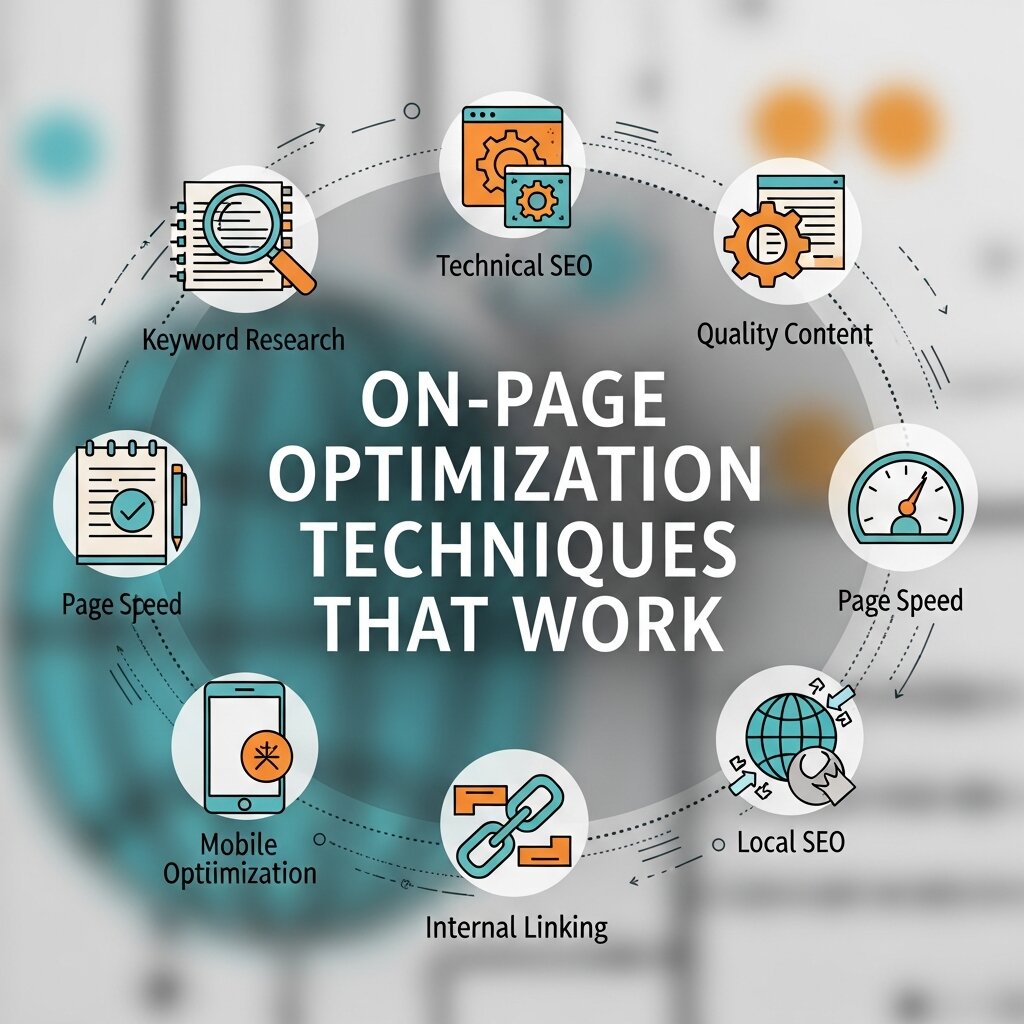 On-page work is where you signal relevance directly to search engines. Get these details right and you give every piece of content a fair shot at ranking.
Place your primary phrase in the title tag, the first paragraph, at least one subheading, and the meta description. Keep it natural, though, since stuffing keywords now hurts more than it helps. Write title tags under 60 characters and meta descriptions under 155 so they display fully in results.
Structure matters too. Use one H1 per page, then organize the rest with H2 and H3 tags that follow a logical hierarchy. Search engines and AI tools both parse this structure to understand your content.
Internal linking deserves attention. Link your beginner guides to your minting tutorials, and your tutorials to your roadmap. This passes authority around your site and keeps readers exploring. Strong NFT branding comes through here as well, since a consistent tone and visual style across pages reinforces who you are.
Don’t forget images. NFT projects are visual by nature, so compress your artwork files, add descriptive alt text, and use proper file names. Fast-loading visuals improve both rankings and user experience.
Technical SEO and Blockchain Considerations
Behind every well-ranked site sits a solid technical foundation. For Web3 projects, this layer carries some unique quirks worth addressing.
Page speed leads the list. Many NFT sites load heavy 3D renders or animated previews that slow everything down. Use lazy loading, compress assets, and consider a content delivery network. Google’s Core Web Vitals directly influence rankings, so a sluggish site loses ground quickly.
Mobile optimization is non-negotiable. A large share of crypto users browse and trade on their phones. If your mint page breaks on a small screen, you lose both sales and search position.
Schema markup helps machines understand your content. Adding structured data for articles, FAQs, and products can earn you rich results and improve your chances of appearing in AI-generated answers. This is one of the more overlooked NFT SEO best practices, yet it delivers outsized returns.
If your project uses decentralized storage like IPFS for assets, make sure your main marketing site still lives on a fast, crawlable domain. Search engines struggle with content they cannot easily access, so keep your discoverable pages on standard, indexable infrastructure.
Content Marketing for NFT Audience Growth
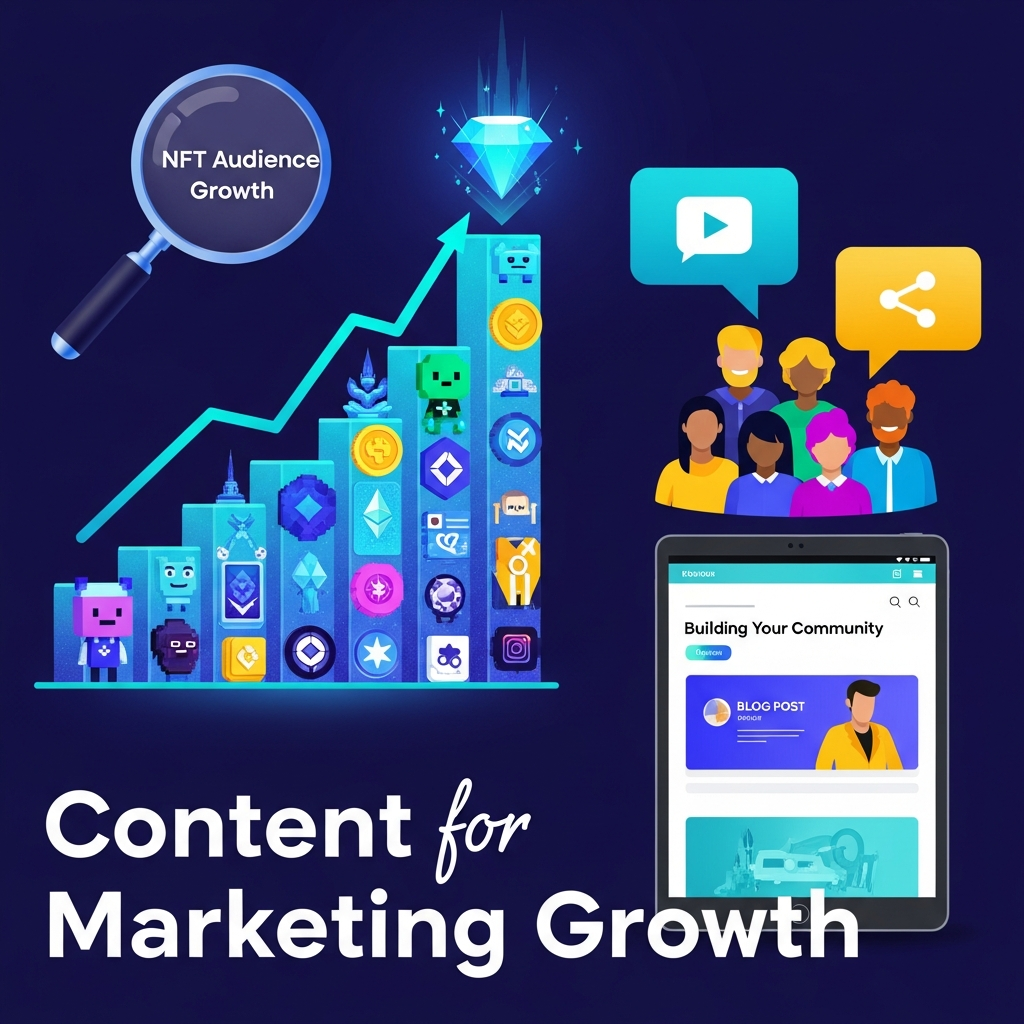 Content is the engine that drives sustainable traffic. Rather than chasing one viral moment, you build a library that answers real questions and earns ongoing visits.
Educational guides perform exceptionally well. A thorough post explaining how to spot scam projects or how gas fees work attracts beginners and positions you as a helpful authority. That goodwill translates into community trust and, eventually, sales.
Case studies and behind-the-scenes stories also resonate. Show how your art gets made, interview your team, or document your roadmap progress. This transparency fuels NFT audience growth because people invest in stories, not just JPEGs.
Consider these content formats:
- Tutorials that walk readers through wallets, minting, and trading
- Trend analyses covering shifts in the broader market
- Project spotlights featuring collaborations or artist features
- Glossaries defining the jargon newcomers struggle with
Publishing consistently signals freshness to search engines. A blog updated weekly outranks one abandoned after launch. Repurpose each post into threads, videos, and newsletter content to stretch its reach across channels.
Building Authority Through Backlinks and Partnerships
Backlinks remain one of the strongest ranking signals. Each quality link from a respected site acts like a vote of confidence in your project.
Earn them by creating link-worthy content, then promoting it to people who would genuinely find it useful. Reach out to crypto news outlets, NFT blogs, and Web3 newsletters. Guest posting on established sites builds both links and exposure.
Partnerships multiply your reach. Collaborate with other artists or projects on joint drops, and cross-link to each other’s sites. Podcast appearances and interviews also generate authoritative mentions. Effective NFT project promotion blends these relationship-driven tactics with your content efforts.
Steer clear of buying links or joining spammy link farms. Search engines catch these schemes and penalize them harshly. One genuine mention from a trusted outlet outweighs a hundred low-quality links.
Measuring Success and Adjusting Your Approach
You cannot improve what you don’t measure. Tracking the right metrics tells you what works and what needs fixing.
Watch organic traffic in Google Analytics and Search Console. Monitor which keywords bring visitors, which pages they land on, and how long they stay. Rising rankings for your target phrases confirm your efforts are paying off.
Pay attention to conversions too. Traffic means little if visitors don’t join your Discord, sign up for your mint list, or buy. Set up goal tracking so you can connect search traffic to real outcomes.
Review your data monthly and adjust. Double down on content that performs, refresh posts that have slipped, and prune pages that drain resources without results. SEO is an ongoing process, not a one-time setup.
Your NFT SEO Checklist for Long-Term Growth
To pull everything together, here is a practical NFT SEO checklist you can work through:
- Research keywords across informational, commercial, and branded buckets
- Map each keyword cluster to a dedicated page
- Optimize title tags, meta descriptions, and headings
- Build a logical internal linking structure
- Compress images and add descriptive alt text
- Improve page speed and ensure mobile responsiveness
- Add schema markup for articles, FAQs, and products
- Publish educational content on a consistent schedule
- Earn backlinks through outreach and partnerships
- Track organic traffic, rankings, and conversions monthly
Working through this list steadily turns scattered effort into a coherent strategy that keeps delivering.
Final Thoughts on Sustainable NFT Growth
Hype fades, but search visibility endures. The projects that thrive years after launch are the ones that treat content and optimization as core pillars rather than afterthoughts. By understanding your audience, optimizing every page, and earning genuine authority, you build a foundation that keeps attracting collectors long after the initial buzz.
Start small if you must. Pick one guide to write this week, optimize one page, or reach out to one publication. Momentum builds from consistent action, and the compounding nature of organic search rewards those who stick with it.
The collectors you want are already searching. Make sure your project is what they find.
Frequently Asked Questions
How long do NFT SEO strategies take to show results?
Most projects see meaningful organic traffic within three to six months of consistent effort. New domains take longer because they need time to build trust and authority. Established sites with existing backlinks can rank faster. SEO rewards patience, so plan for the long game rather than expecting overnight wins.
Are NFT SEO strategies worth it for a small project?
Yes, especially for small projects with limited ad budgets. Organic search levels the playing field by rewarding quality content over deep pockets. A well-optimized beginner guide can attract steady traffic for years at no ongoing cost. For teams that cannot outspend larger competitors, SEO is often the smartest investment available.
What is the biggest SEO mistake NFT projects make?
The most common mistake is treating SEO as a launch-only activity. Many teams optimize their mint page, then abandon content entirely once the drop ends. Search rankings require ongoing publishing and maintenance. Projects that keep producing useful content steadily climb, while those that stop quickly lose ground to active competitors.
Can SEO help my NFT project appear in AI tools like ChatGPT?
Yes. AI tools pull from well-structured, authoritative web content when generating answers. Clear headings, factual content, schema markup, and FAQ sections all increase your chances of being cited. The same practices that improve traditional rankings also boost your visibility in AI-generated responses.
Do I need a separate website, or can I rely on marketplaces?
You should have your own website. Marketplaces like OpenSea control your presence and limit your ability to optimize. Your own domain lets you build content, capture emails, and rank for keywords on your terms. Use marketplaces for sales, but treat your site as your long-term home base.