
NFT Marketing: Your Complete Guide to Promoting Digital Assets
The NFT market exploded from $41 million in 2018 to over $40 billion in 2021, creating unprecedented opportunities for creators, brands, and marketers. While the initial hype has settled, NFTs remain a powerful tool for building communities, generating revenue, and establishing digital ownership. Success in this space requires strategic marketing that goes beyond traditional promotion tactics.
This guide explores proven NFT marketing strategies, from community building to influencer partnerships, helping you navigate this dynamic landscape and maximize your digital asset’s potential. Whether you’re launching your first collection or scaling an existing project, these insights will position you for sustainable growth in the NFT ecosystem.
Understanding the NFT Marketing Landscape
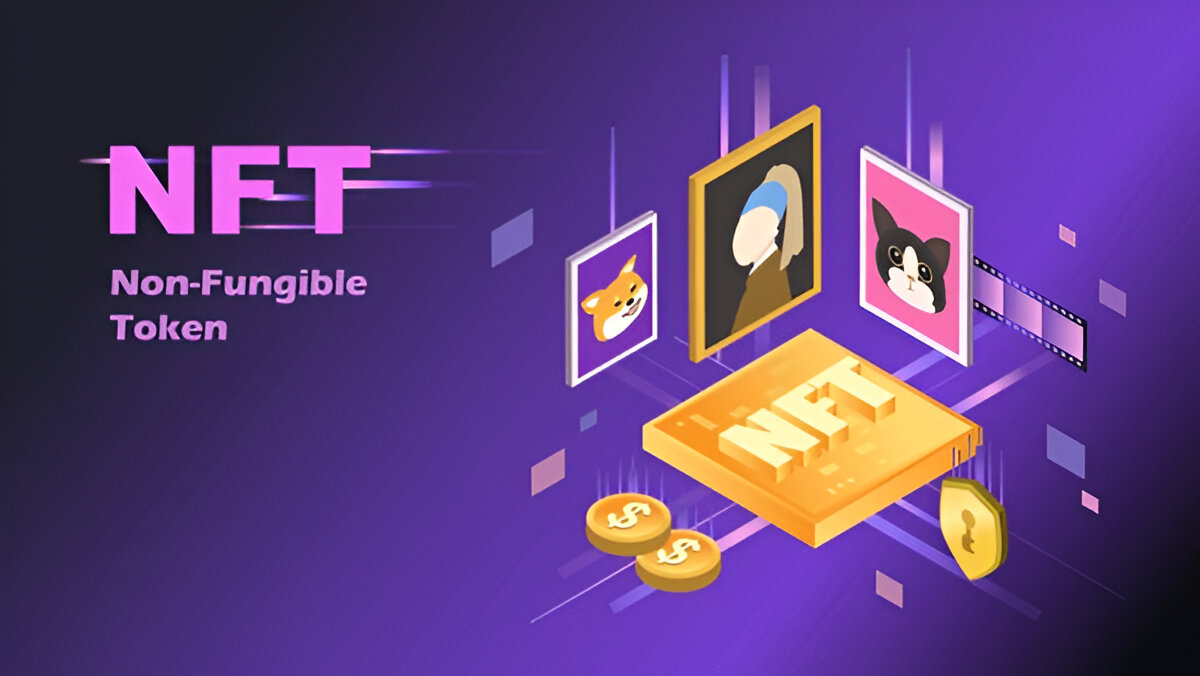
NFT marketing differs significantly from traditional digital marketing. Unlike conventional products, NFTs derive value from scarcity, community perception, and cultural significance rather than functional utility alone. This unique value proposition demands marketing approaches that emphasize storytelling, community engagement, and social proof.
The NFT audience consists primarily of digital natives, early adopters, and collectors who value authenticity and innovation. They’re active on platforms like Discord, Twitter, and specialized NFT marketplaces, making these channels essential for effective outreach. Understanding your audience’s motivations—whether they’re seeking investment opportunities, artistic appreciation, or community membership—shapes your marketing messaging and channel selection.
Market timing plays a crucial role in NFT success. Projects that align with cultural trends, seasonal events, or emerging technologies often gain more traction than those launched without strategic consideration. Monitoring market sentiment and competitor activities helps identify optimal launch windows and positioning opportunities.
Building a Strong Community Foundation
Community building forms the backbone of successful NFT marketing. Unlike traditional marketing funnels that focus on individual conversions, NFT projects thrive when they cultivate engaged communities that actively promote and support the brand.
Discord servers serve as central hubs for NFT communities, offering real-time communication, exclusive content, and member engagement opportunities. Successful projects structure their Discord servers with clear channels for announcements, general discussion, art showcases, and member introductions. Regular community events, such as art competitions, trivia nights, and AMAs (Ask Me Anything sessions), keep members engaged between major announcements.
Twitter functions as the primary discovery and networking platform for NFT enthusiasts. Building a strong Twitter presence requires consistent posting, engaging with other creators and collectors, and participating in relevant conversations. Twitter Spaces—live audio conversations—provide opportunities to showcase expertise and connect with potential collectors in real-time.
Community incentives drive participation and loyalty. Offering exclusive perks to early supporters, such as whitelist spots, bonus NFTs, or access to private channels, creates value hierarchies that encourage engagement. Reward systems that recognize active community members through special roles or benefits foster a sense of belonging and investment in the project’s success.
Content Marketing Strategies for NFTs
Effective NFT content marketing educates, entertains, and builds anticipation around your project. Content should address the unique aspects of your NFTs while providing value to your audience beyond sales pitches.
Behind-the-scenes content generates interest and authenticity. Sharing your creative process, inspiration sources, and development challenges humanizes your project and creates emotional connections with potential collectors. Time-lapse videos of artwork creation, artist interviews, and concept development stories perform particularly well across social platforms.
Educational content positions you as an authority in the NFT space. Creating guides about NFT collecting, blockchain technology, or market trends attracts broader audiences and demonstrates expertise. This content also provides value to newcomers, expanding your potential collector base beyond experienced NFT enthusiasts.
Storytelling transforms individual NFTs into compelling narratives. Developing character backstories, world-building elements, or thematic connections between pieces adds depth and meaning to your collection. Stories create emotional investment and give collectors reasons to share your work beyond simple promotion.
User-generated content amplifies your reach organically. Encouraging collectors to share photos of their acquired NFTs, create fan art, or participate in community challenges generates authentic promotion. Featuring community creations in your official channels rewards participation and demonstrates the vibrant community surrounding your project.
Leveraging Social Media Platforms

Each social media platform offers unique advantages for NFT marketing, requiring tailored approaches for maximum effectiveness.
Twitter remains the most influential platform for NFT discovery and community building. Successful NFT Twitter strategies include regular posting schedules, engagement with other creators and collectors, and participation in trending hashtags. Tweet threads allow for detailed storytelling and project explanations, while quote tweets and replies foster community discussions.
Instagram’s visual focus makes it ideal for showcasing NFT artwork and behind-the-scenes content. Instagram Stories provide opportunities for time-sensitive announcements and exclusive previews, while Reels can showcase creative processes or highlight collection features. The platform’s shopping features also enable direct sales integration where applicable.
TikTok’s algorithm-driven discovery system can rapidly expose NFT content to new audiences. Creative videos explaining NFT concepts, showcasing artwork creation, or participating in relevant trends can generate viral reach. TikTok’s younger demographic also presents opportunities to introduce NFTs to new collectors.
YouTube offers long-form content opportunities for detailed project explanations, tutorials, and community updates. NFT project vlogs, collection reveals, and educational series build deeper connections with audiences and provide searchable content that attracts organic traffic over time.
Influencer and Partnership Marketing
Influencer partnerships can significantly amplify NFT project reach, but they require careful selection and authentic collaboration approaches.
Micro-influencers in the NFT space often provide better engagement rates and more authentic endorsements than macro-influencers. Crypto artists, blockchain enthusiasts, and digital collectible reviewers typically have highly engaged audiences that trust their recommendations. Collaborating with influencers who genuinely appreciate your project creates more authentic promotion than purely transactional partnerships.
Cross-project collaborations expand reach within the NFT community. Partnering with complementary NFT projects for joint events, cross-promotions, or collaborative pieces exposes your work to established communities. These partnerships often feel more organic to audiences than traditional advertising approaches.
Brand partnerships with traditional companies entering the NFT space provide credibility and expanded reach. Companies launching NFT initiatives often seek authentic creators to collaborate with, offering exposure to mainstream audiences while maintaining NFT community credibility.
Celebrity endorsements can provide massive exposure but require careful consideration of authenticity and audience alignment. Celebrities who genuinely engage with NFT culture and understand the technology create more effective partnerships than those making purely commercial endorsements.
Marketplace Optimization and Strategy
NFT marketplace presence significantly impacts discoverability and sales success. Each marketplace has unique features, audiences, and optimization requirements.
OpenSea, as the largest NFT marketplace, offers the broadest audience reach but also the most competition. Optimizing OpenSea listings requires compelling descriptions, high-quality images, appropriate categorization, and competitive pricing. Building sales history and positive reviews on OpenSea improves algorithmic visibility and collector confidence.
Specialized marketplaces like Foundation, SuperRare, or Async Art cater to specific audiences and artistic styles. These platforms often have curator-driven discovery systems and higher-value transactions but require invitation or application processes. Building relationships with platform curators and existing artists improves acceptance chances.
Emerging marketplaces present opportunities for early adoption advantages. New platforms often provide promotional support and reduced competition during launch phases. However, they also carry risks of lower traffic and uncertain long-term viability.
Multi-platform strategies maximize exposure while requiring additional management overhead. Listing on multiple marketplaces increases discovery opportunities but requires consistent pricing and inventory management across platforms.
Measuring and Analyzing NFT Marketing Success
Effective NFT marketing requires tracking metrics that reflect both immediate sales performance and long-term community growth.
Sales metrics provide immediate feedback on marketing effectiveness. Tracking total sales volume, average sale price, and conversion rates from different marketing channels helps identify the most effective promotional strategies. Secondary market performance also indicates long-term value perception and collector satisfaction.
Community growth metrics reflect brand-building success. Monitoring Discord member growth, Twitter follower increases, and engagement rates across platforms indicates community health and marketing reach. Quality metrics, such as active member percentages and engagement depth, often matter more than total numbers.
Brand awareness metrics help evaluate overall market presence. Tracking social media mentions, hashtag usage, and earned media coverage indicates project visibility and cultural impact. Tools like Google Alerts and social listening platforms provide insights into organic brand discussions.
Collector behavior analytics reveal audience preferences and optimization opportunities. Analyzing which NFTs sell fastest, preferred price points, and collector demographics helps refine future marketing strategies and product development decisions.
Defining a Clear NFT Value Proposition
A strong value proposition is the foundation of any successful NFT marketing strategy. With thousands of collections competing for attention, your project must clearly communicate why it exists and what makes it different. This includes artistic uniqueness, utility, community benefits, or long-term vision. Collectors want to understand not only what they are buying, but why it matters. A clear value proposition helps guide branding, pricing, storytelling, and promotional messaging. It also builds trust by setting realistic expectations. Projects that fail to define their value often rely on hype alone, which fades quickly. A well-articulated value proposition aligns creators, marketers, and community members around a shared purpose and long-term direction.
NFT Branding and Visual Identity
Branding plays a critical role in how NFT projects are perceived. A cohesive visual identity—including logo design, color palettes, typography, and tone of voice—creates recognition and professionalism. Strong branding helps projects stand out across marketplaces and social platforms while reinforcing trust. Visual consistency across Twitter banners, Discord servers, websites, and marketplace listings strengthens brand recall. Beyond aesthetics, branding reflects values and personality, shaping how communities emotionally connect with the project. NFT branding should align with the collection’s narrative, audience expectations, and long-term vision. Well-branded projects often enjoy higher engagement, stronger resale value, and greater media interest.
Launch Planning and Pre-Mint Marketing
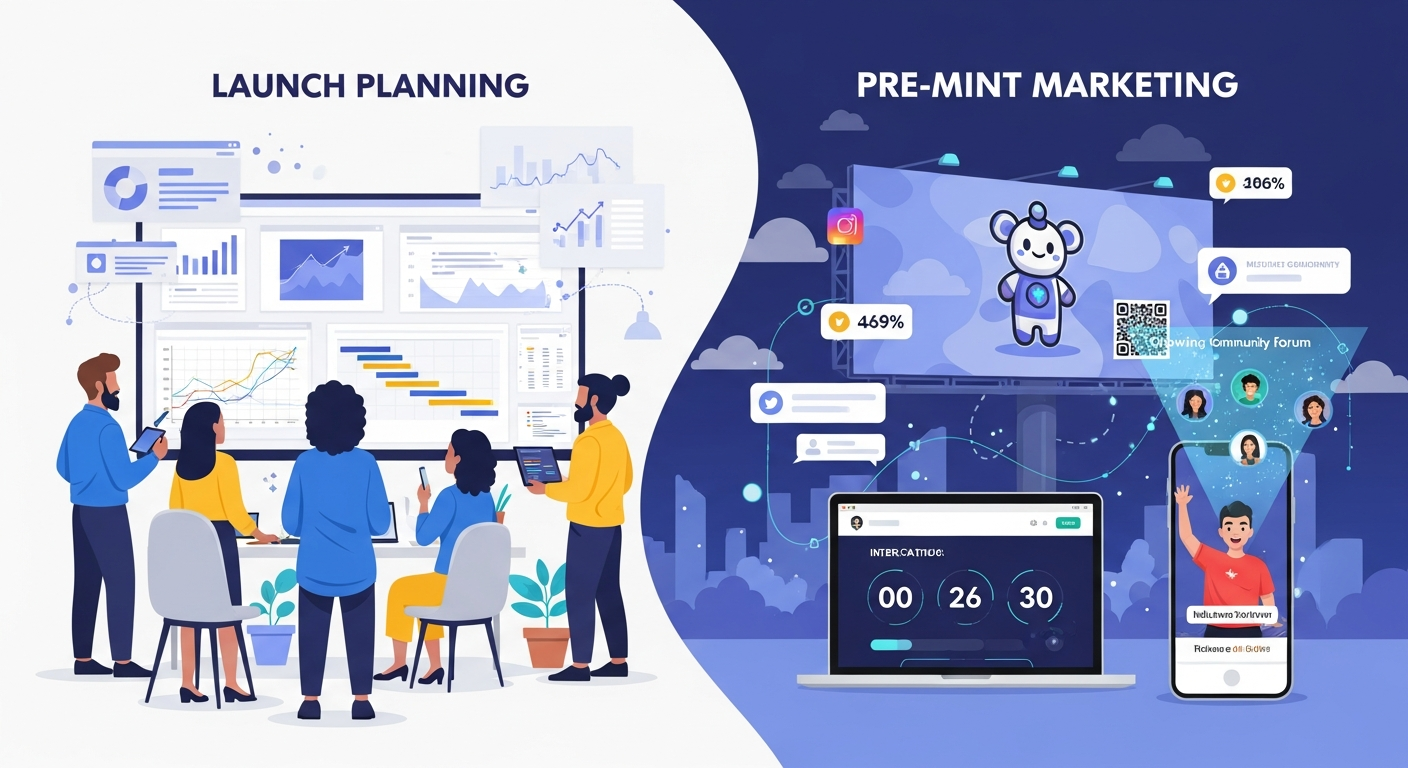
A successful NFT launch begins long before the mint date. Pre-mint marketing focuses on awareness, anticipation, and trust-building. This phase includes teasing artwork, sharing roadmaps, opening community channels, and engaging early supporters. Whitelist campaigns and early-access incentives help create exclusivity while rewarding loyal followers. Transparent communication during this stage reduces uncertainty and builds credibility. Countdown campaigns, sneak peeks, and limited previews keep momentum strong. Pre-launch collaborations and influencer mentions further expand reach. Projects that invest in structured launch planning often see stronger mint performance and more stable communities compared to rushed or unprepared releases.
Your Path to NFT Marketing Success
NFT marketing success requires a strategic blend of community building, authentic storytelling, and platform optimization. The most successful projects focus on creating genuine value for their communities while maintaining consistent engagement across multiple channels.
Start by identifying your unique value proposition and target audience, then build your marketing strategy around authentic community development. Remember that NFT collectors value transparency, creativity, and long-term vision over short-term promotional tactics.
Ready to launch your NFT marketing campaign? Begin with one primary platform where your target audience is most active, develop compelling content that showcases your project’s unique value, and gradually expand your presence as your community grows. The NFT space rewards authenticity and community focus—qualities that will serve your project well beyond initial launch success.
Conclusion
NFT marketing is no longer about short-lived hype or speculative trends. Sustainable success requires strategic planning, authentic community engagement, strong branding, and consistent execution. Projects that focus on value creation, transparency, and long-term vision outperform those driven solely by quick sales. By combining creative storytelling with data-driven decisions and platform-specific strategies, NFT marketers can build resilient ecosystems that thrive beyond market cycles and establish lasting digital brands.
Frequently Asked Questions (FAQ)
-
What makes NFT marketing different from traditional marketing?
NFT marketing focuses on community, scarcity, and cultural value rather than product functionality. -
How important is Discord for NFT projects?
Discord is essential for real-time engagement, community building, and exclusive communication. -
Do NFTs still have marketing potential after the hype phase?
Yes, NFTs remain valuable for branding, community ownership, and digital experiences. -
How long should NFT pre-launch marketing last?
Typically 4–8 weeks, depending on project scope and audience size. -
Are influencers necessary for NFT success?
Not mandatory, but the right influencers can significantly accelerate awareness and trust. -
What role does storytelling play in NFTs?
Storytelling creates emotional connection and long-term collector loyalty. -
How do NFTs build long-term communities?
Through consistent engagement, utility delivery, and shared identity. -
Which platform is best for NFT promotion?
Twitter and Discord are primary, supported by Instagram, TikTok, and YouTube. -
How can NFT projects recover from slow sales?
By refocusing on value, communication, and community engagement. -
Is multi-marketplace listing recommended?
Yes, if pricing and brand consistency are carefully managed. -
What defines a successful NFT project today?
Strong community, clear value, transparency, and long-term execution.