
NFT Collaborations: 7 Strategic Partnerships to Boost Sales
In today’s rapidly evolving digital ecosystem, NFT collaborations are proving to be a game-changing strategy for creators, brands, and marketers alike. By forming strategic partnerships, stakeholders unlock fresh avenues for community growth, brand amplification, and revenue generation. In today’s digital landscape, audiences crave new experiences and authentic connections, making collaborative ventures more valuable than ever. As the market expands, tapping into complementary projects or influential figures can help you stand out amid increasing competition. Innovators across industries—from art and gaming to fashion and philanthropy—are experimenting with diverse collaborative models, pooling resources and communities to co-create offerings that resonate on a broader scale. By the end of this guide, you’ll have a clear roadmap for harnessing the power of partnerships to boost visibility, engagement, and sales through NFT collaborations.
Understanding the Power of NFT Collaborations
NFT collaborations involve two or more parties working together to co-produce, promote, or distribute unique digital assets. Rather than launching solo projects, collaborators pool creative energy, technical expertise, and marketing budgets to orchestrate larger, more dynamic campaigns. Today, this approach is essential for anyone seeking to expand beyond their core audience.
When done right, NFT collaborations offer several distinct advantages. First, shared audiences mean exponentially increased reach. Each partner brings its own community to the table, creating synergy that drives both awareness and demand. Second, co-branding elevates perceived value. Collectors recognize the effort and novelty behind a joint project, making limited-edition drops highly coveted. Third, collaborations foster innovation: combining different artistic styles, technical frameworks, or storytelling perspectives often results in more engaging experiences than standalone releases.
In today’s market, where differentiation is crucial, these collaborative efforts can become signature events that define your brand’s narrative. Collaborators can range from other NFT collectives and blockchain platforms to influencers, traditional brands, community organizations, and even academic institutions. For example, guidelines from the National Institute of Standards and Technology (NIST) emphasize the importance of clear technical protocols in blockchain projects (nist.gov), ensuring smooth integration and enhanced security.
As you explore collaboration models, keep in mind that alignment of values and vision is paramount. Selecting the right partner means evaluating cultural fit, shared goals, and resource commitments. When guidelines are established at the outset—covering creative direction, revenue splits, timeline expectations, and legal frameworks—you create a strong foundation for success. By marrying complementary strengths, collaborators can achieve results that far exceed what any single entity could accomplish alone.
Leveraging Cross-Project Drops & Influencer Partnerships
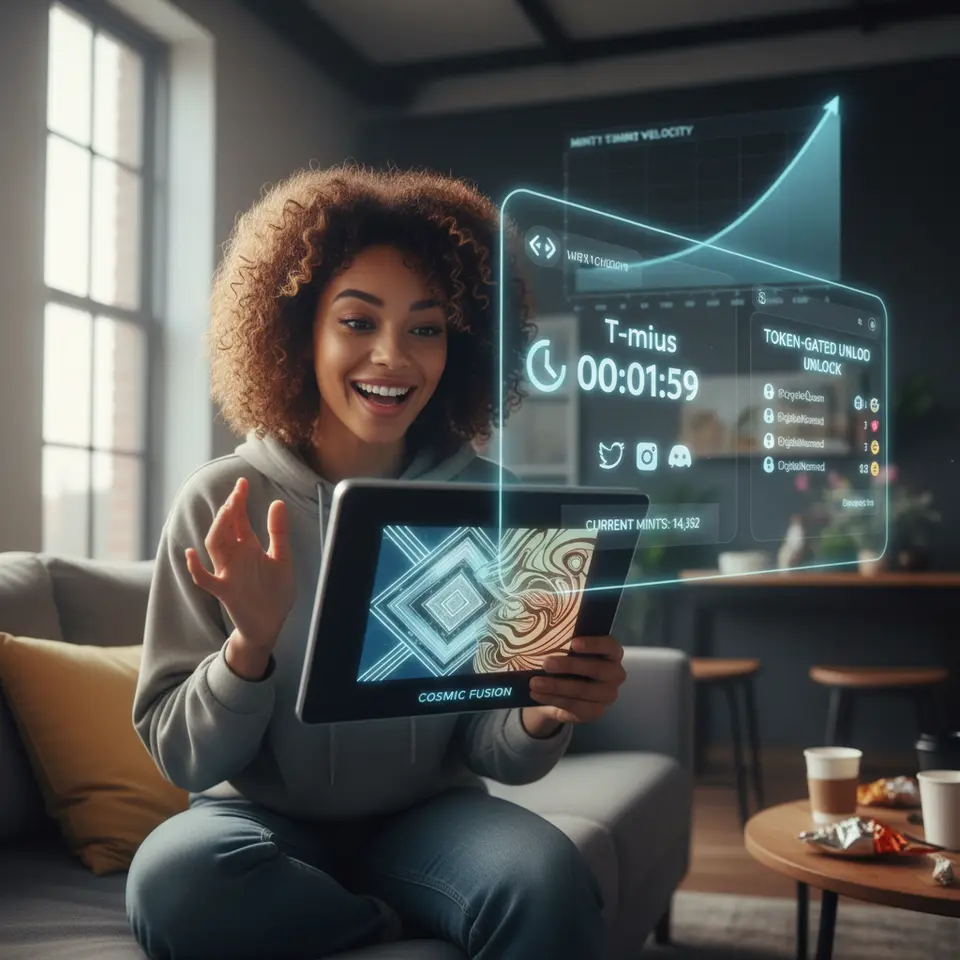
One of the most impactful ways to harness NFT collaborations is through cross-project drops. By teaming up with another NFT collection or digital artist, you can co-create a limited series of tokens that blend the distinctive elements of both brands. This tactic generates buzz and encourages collectors from each community to explore new offerings.
To execute a successful cross-project drop, begin by aligning on a theme or narrative thread that naturally binds your projects. Whether it’s a shared mythology, artistic style, or social cause, a common storyline makes the collaboration feel authentic. Next, coordinate marketing calendars: schedule synchronized announcements, teasers, and live events on social channels and Discord. Offering perks—such as token-gated access to exclusive channels, virtual meet-ups, or future airdrops—adds layers of incentive for collectors to engage.
In parallel, influencer and celebrity partnerships can turbocharge visibility. Influencers with expertise in crypto, art, gaming, or lifestyle niches bring credibility and a ready-made audience. When you invite an influencer to co-design or co-host your drop, they often share sneak peeks, unboxing videos, or live mint sessions, fueling excitement across social platforms. To motivate these partners, offer a percentage of secondary royalties or unique perks like bespoke NFT designs that commemorate their involvement.
Tracking performance metrics is critical. Use analytics tools to measure mint velocity, social engagement, and wallet growth during and after the drop. You might discover, for example, that particular influencer segments drive higher engagement or that certain narrative hooks resonate best. By continuously refining your approach based on real-time data, you ensure sustained success for future collaborations.
Co-Branding, Community Co-Creation, and Philanthropic Alliances
Beyond cross-project and influencer partnerships, expanding into traditional brand co-branding can unlock sizable marketing budgets and established customer bases. Fashion labels, music festivals, or food and beverage companies looking to explore digital collectibles represent fertile ground for collaboration. Entering such alliances involves drafting clear revenue-sharing agreements, co-marketing plans, and event activations to maximize reach. A denim brand, for instance, might mint co-branded wearable NFTs that unlock virtual try-ons or real-world discounts.
Meanwhile, community co-creation events tap directly into the passions of your audience. Hosting digital art contests, collaborative storytelling workshops, or hackathons on platforms like Discord empowers fans to shape the creative process. Participants often become de facto ambassadors, sharing their contributions and rallying their networks around the end product. To maintain momentum, structure these events with well-defined milestones, rewards, and recognition like limited-edition “collaborator” badges or a share of royalties for winning contributors.
Philanthropic partnerships further enrich your collaboration portfolio. Aligning with nonprofit organizations or social causes demonstrates social responsibility and attracts a broader segment of mission-driven collectors. By dedicating a portion of proceeds to charity, you generate positive PR and deepen emotional connections. Transparency is key: provide audited impact reports and regular updates on fund allocation to build trust.
Combining brand co-branding, community engagement, and philanthropy can create multi-layered campaigns that resonate across diverse audiences. Such integrated approaches harness the strengths of each partner, whether marketing expertise, grassroots enthusiasm, or organizational legitimacy, delivering powerful results for both community and commercial objectives.
Technical Integrations: Cross-Chain and AR Experiences
As blockchain technology matures, technical collaborations are becoming essential aspects of NFT digital collection platforms market partnerships. Cross-chain integration enables your NFTs to operate seamlessly across multiple networks, reducing friction for collectors and broadening market potential. Collaborating with blockchain infrastructure providers such as wallet developers, bridges, and marketplaces—ensures interoperability and smoother user experiences. Many projects leverage standards and best practices from authoritative sources like the U.S. Securities and Exchange Commission for guidance on security and compliance (sec.gov).
When planning cross-chain drops, synchronize smart contract standards and metadata schemas to maintain consistent provenance records. Conduct rigorous QA testing to identify and rectify compatibility issues before launch. Offering multi-chain mint options can also help onboard users who prefer one network over another, expanding your collector base.
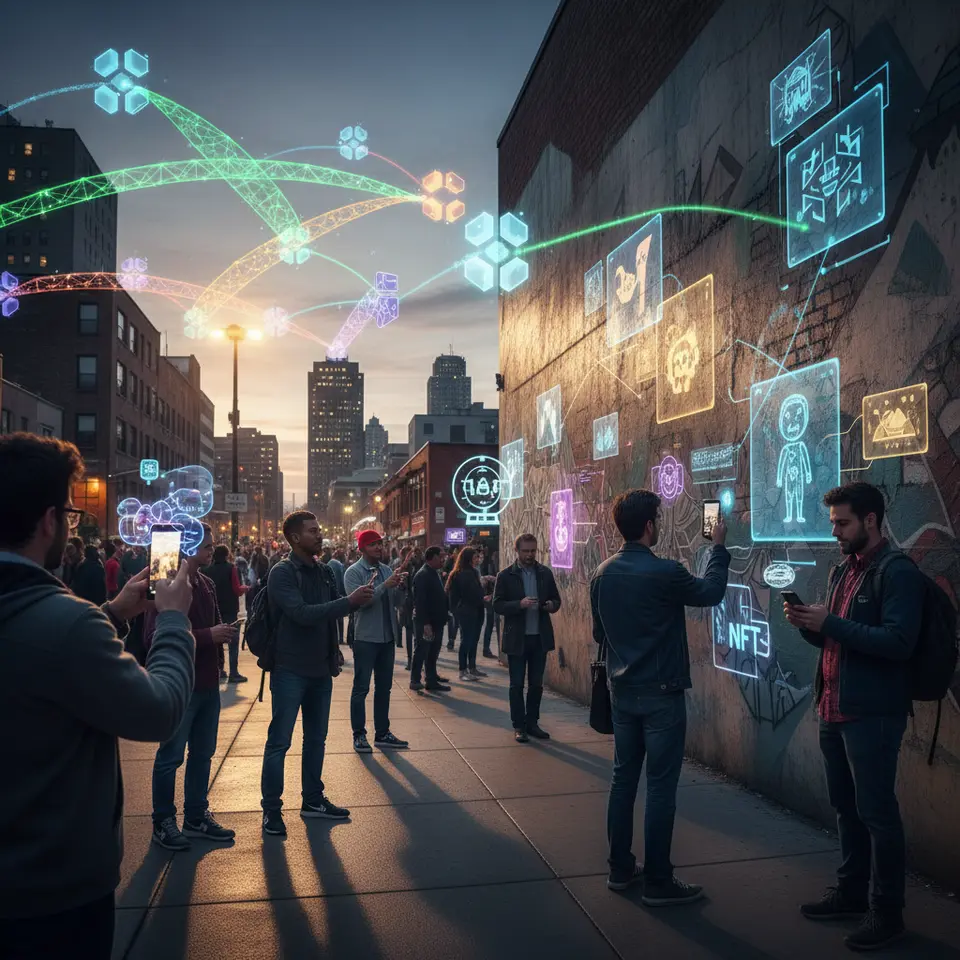
Augmented Reality (AR) collaborations add an experiential dimension that drives viral engagement. By partnering with AR tech providers or digital artists, you can create filters, geolocated activations, or app-based overlays that bring NFTs into the physical world. Imagine a public art installation where visitors unlock exclusive NFTs via mobile devices or a museum exhibit that uses AR to animate rare digital works.
These immersive experiences invite social sharing and mainstream media coverage, propelling your project into new cultural conversations. To maximize discoverability, integrate AR features with major social platforms and ensure compatibility across both Android and iOS devices. Prioritize lightweight app development and intuitive UX design so that tech-averse users can participate effortlessly in showcasing and collecting your NFTs.
Planning, Execution, and Overcoming Challenges
Behind every successful NFT collaboration lies meticulous planning and agile execution. Start by defining clear objectives, such as new wallet acquisitions, sales milestones, or engagement benchmarks. Map out a comprehensive timeline that covers design, smart contract development, marketing rollout, and post-drop analysis.
Legal and financial frameworks are equally vital. Draft agreements that specify royalty splits, IP ownership, dispute resolution methods, and exit clauses. Clearly articulated contracts prevent misunderstandings and protect all parties involved.
Coordination among marketing, technical, and community teams fosters alignment. Maintain shared content calendars, regular check-ins, and centralized documentation. This level of organization streamlines cross-promotion and ensures consistent messaging across channels.
Despite best efforts, challenges can arise. Misaligned partner goals may stall progress; overcome this by revisiting your shared vision and adjusting deliverables to meet mutual needs. Technical incompatibilities demand robust QA and pre-launch audits. If community pushback occurs, practice transparent communication and incorporate feedback loops to address concerns. Legal disputes can be mitigated through clearly written contracts and, if necessary, third-party mediation clauses.
By proactively identifying risks and establishing contingency plans, you’ll navigate hurdles smoothly. Continuous monitoring using analytics dashboards and community sentiment tracking—provides actionable insights for iterative improvements. With this disciplined approach, your NFT collaborations will drive long-term growth and innovation.
Building Strong Foundations for NFT Collaborations
Successful NFT collaborations always begin with a strong strategic foundation. Before launching any partnership, it is essential to clearly define shared goals, audience alignment, and long-term vision. Without this alignment, even the most creative initiatives can fail to deliver meaningful results. This is where strategic partnerships play a critical role in ensuring mutual benefit and sustainable growth.
The first step in building a strong collaboration is identifying the right partner. Not every creator, brand, or community will be a good fit. Ideal partners should have complementary strengths—such as combining an established NFT artist with a tech-driven blockchain platform or pairing a gaming project with a fashion brand. When these strengths merge, they create more value than either party could achieve independently.
Next, it is important to establish trust and transparency early on. Clear communication regarding responsibilities, revenue sharing, intellectual property rights, and marketing contributions helps prevent conflicts later. Many successful NFT projects use detailed collaboration agreements that outline every aspect of the partnership. This ensures both sides remain accountable and aligned throughout the project lifecycle.
Additionally, audience compatibility is crucial. One of the key advantages of NFT collaborations is the ability to merge communities. However, if the audiences are too different or lack shared interests, engagement may drop. Therefore, analyzing community behavior, interests, and engagement patterns is essential before forming any strategic partnerships.
Ultimately, strong foundations lead to smoother execution and higher ROI. When planning is done correctly, NFT collaborations become more than just marketing campaigns—they evolve into long-term ecosystems that continuously generate value for all stakeholders involved.
Expanding Market Reach Through Strategic Partnerships
One of the biggest advantages of NFT collaborations is the ability to significantly expand market reach. In today’s competitive digital landscape, visibility is everything. Even high-quality NFT projects struggle to succeed without proper exposure. This is where strategic partnerships become a powerful growth accelerator.
By collaborating with other NFT creators, brands, or influencers, projects gain immediate access to new and highly engaged audiences. Each partner brings its own community, which helps multiply reach without requiring additional advertising costs. This organic expansion is one of the strongest benefits of collaborative NFT strategies.
Cross-promotion plays a major role in this process. Partners can jointly promote NFT drops through social media, Discord communities, email campaigns, and live events. Coordinated announcements generate excitement and anticipation, often leading to faster minting and higher demand. Limited-edition collaborations especially benefit from this scarcity-driven marketing effect.
Influencer partnerships also amplify visibility. Influencers act as trusted voices within their niche communities, whether in crypto, gaming, or digital art. When they participate in NFT collaborations, they bring credibility and instant attention. This trust factor significantly increases conversion rates and engagement levels.
Another powerful approach is international expansion through strategic partnerships. By collaborating with global creators or platforms, NFT projects can enter new geographical markets. This diversification reduces dependency on a single audience and enhances long-term scalability.
In essence, NFT collaborations supported by well-planned strategic partnerships allow brands to grow faster, reach wider audiences, and build stronger digital presence without relying solely on paid advertising.
Enhancing Innovation and Utility in NFT Ecosystems
Innovation is at the heart of every successful NFT project, and NFT collaborations are one of the most effective ways to drive it. When multiple creators or organizations come together, they bring diverse ideas, technologies, and creative perspectives. This fusion leads to more innovative and utility-driven NFT ecosystems.
Through strategic partnerships, NFT projects can integrate advanced features such as utility-based tokens, gamification systems, and real-world benefits. For example, collaborations between NFT projects and gaming companies can create playable digital assets that hold value both inside and outside virtual environments. Similarly, partnerships with fashion brands can introduce wearable NFTs or exclusive merchandise access.
Another major innovation area is utility expansion. Today’s NFT users expect more than just digital ownership—they want access, experiences, and rewards. Collaborations enable projects to offer benefits like event tickets, membership access, staking rewards, or exclusive content drops. This increases long-term engagement and strengthens community loyalty.
Technology partnerships also play a crucial role in innovation. By working with blockchain infrastructure providers, NFT platforms can improve scalability, reduce transaction fees, and enable cross-chain compatibility. These enhancements make NFTs more accessible to a broader audience, increasing adoption rates.
Additionally, NFT collaborations often lead to experimental storytelling and digital art formats. Artists and developers can co-create immersive narratives that combine visuals, audio, and interactive elements. This creates a richer user experience that goes beyond traditional NFT collections.
Ultimately, innovation driven by strategic partnerships ensures that NFT ecosystems remain dynamic, competitive, and future-ready. Projects that continuously evolve through collaboration are more likely to maintain relevance in the fast-changing digital economy.
Driving Long-Term Growth Through Community and Ecosystem Building
Long-term success in the NFT space depends heavily on community engagement and ecosystem development. NFT collaborations are one of the most effective ways to build and sustain strong communities. When multiple stakeholders contribute to a shared project, it creates a sense of ownership and belonging among users.
Through strategic partnerships, NFT projects can design community-driven initiatives such as co-creation events, DAO governance systems, and reward programs. These initiatives encourage active participation and give users a voice in project development. As a result, communities become more loyal and invested in the project’s success.
Community co-creation is especially powerful. By involving users in the creative process—such as designing NFTs, voting on features, or participating in storytelling—projects strengthen emotional connections. This not only boosts engagement but also turns users into brand ambassadors who organically promote the project.
Philanthropic collaborations also contribute to long-term growth. Many NFT projects partner with charities or social causes to build trust and social impact. These initiatives enhance brand reputation and attract mission-driven investors and collectors.
Furthermore, ecosystem partnerships ensure sustainability. By collaborating with marketplaces, wallets, and blockchain networks, NFT projects can create seamless user experiences. This interconnected ecosystem makes it easier for users to buy, trade, and interact with NFTs, increasing retention and activity.
In conclusion, NFT collaborations supported by well-structured strategic partnerships are essential for building strong, scalable, and sustainable NFT ecosystems. They transform isolated projects into thriving communities that continue to grow, innovate, and generate value over time.
Frequently Asked Questions (FAQ)
What is an NFT collaboration?
An NFT collaboration is when two or more parties come together to co-create, promote, or distribute unique digital assets. This partnership combines creative, technical, and marketing resources to launch joint NFT drops that benefit all collaborators and their communities.
How do I choose the right partner for my NFT project?
Look for partners with aligned values, complementary audiences, and shared goals. Evaluate their community engagement, technical capabilities, and brand reputation. Establish clear guidelines on creative direction, revenue splits, and timelines to ensure a smooth collaboration.
What metrics should I track during an NFT collaboration?
Important metrics include mint velocity, secondary market trading volume, social engagement rates, new wallet acquisitions, and community growth. Analyzing these data points helps refine strategies for current and future collaborations.
How can I manage legal and financial aspects of a collaboration?
Draft comprehensive contracts that cover IP ownership, royalty distributions, dispute resolution, and exit clauses. Consult legal advisors to ensure compliance with relevant regulations and protect all parties involved.
What are the best practices for ensuring a successful NFT collaboration?
Define clear objectives, maintain open communication, conduct thorough quality assurance, and incorporate community feedback. Use data-driven insights to iterate on your approach and establish contingency plans to address potential challenges.
Why are NFT collaborations important for growth?
NFT collaborations are important for growth because they combine audiences, resources, and creativity. This helps projects gain faster visibility, higher engagement, and stronger community trust in competitive markets.
How do NFT collaborations increase brand visibility?
NFT collaborations increase visibility by leveraging multiple communities and cross-promotional strategies. When partners share NFT drops across platforms, it expands reach and strengthens overall brand awareness.
Can small creators benefit from NFT collaborations?
Yes, small creators can benefit greatly from NFT collaborations by partnering with established projects. This allows them to access larger audiences and gain credibility in the NFT ecosystem.
What challenges can arise in NFT collaborations?
NFT collaborations may face challenges like misaligned goals, revenue disputes, or communication gaps. Proper planning and clear agreements help avoid these issues and ensure smooth execution.
How do NFT collaborations impact long-term community building?
NFT collaborations strengthen long-term community building by encouraging shared ownership, active participation, and cross-community engagement. This leads to loyal, engaged, and sustainable NFT ecosystems.
Conclusion
In today’s competitive NFT landscape, strategic partnerships are no longer optional they’re essential. By embracing NFT collaborations, you tap into shared resources, diversified audiences, and heightened creative potential. Whether you pursue cross-project drops, influencer tie-ins, brand co-branding, community co-creation, philanthropic efforts, or cutting-edge technical integrations, each collaboration adds a layer of value to your ecosystem.
This year (2026), the organizations that thrive will be those that plan meticulously, communicate transparently, and iterate relentlessly. Start by identifying partners whose values align with yours, set clear objectives, and co-create experiences that captivate and inspire. As you refine your approach through data-driven insights and community feedback, you’ll build a robust collaboration framework that accelerates engagement and boosts sales.
The future of digital ownership lies in collective innovation. Embrace NFT collaborations today and position your project at the forefront of a new era in creative and commercial success.