NFT Content Marketing Guide: Build Trust and Grow Your NFT Audience
NFT content marketing is the strategic process of creating and distributing valuable content to attract, educate, and retain an NFT audience. Successful NFT projects combine consistent storytelling, community engagement, and platform-specific content to build lasting trust and drive long-term growth.
NFT projects fail every day—not because the art is bad, but because nobody knows it exists.
The NFT space is crowded, fast-moving, and skeptical. Potential buyers have been burned before, and they’re not about to hand over their crypto to a project that hasn’t earned their trust. That’s where NFT content marketing comes in. It’s not about hype cycles or paying influencers to flood Twitter. It’s about building something real: an audience that believes in what you’re creating and sticks around long enough to buy, hold, and tell others.
This guide breaks down everything you need to know about NFT content marketing—from developing a strategy and creating compelling content to growing your community and measuring what actually works. Whether you’re launching your first collection or trying to breathe new life into an existing project, the frameworks here will give you a practical roadmap to follow.
By the end, you’ll understand how to position your project, which platforms deserve your attention, and what kinds of content build the kind of trust that converts browsers into buyers.
What Is NFT Content Marketing and Why Does It Matter?
NFT content marketing is the practice of creating and distributing educational, entertaining, or value-driven content to attract and retain an audience for your NFT project. Unlike paid advertising, content marketing builds compounding value over time—each piece of content you publish continues to attract new eyes long after it’s posted.
The NFT market peaked in early 2022 and has since matured significantly. According to DappRadar, NFT trading volume dropped from over $17 billion in January 2022 to under $1 billion by mid-2023. The projects that survived that downturn—and continue to thrive—didn’t do so by accident. They had communities, consistent messaging, and content that kept people engaged even when the market was cold.
That’s the power of NFT content marketing done right.
Trust is the currency of the NFT space. Before someone mints or buys from your project, they want to know who you are, what you stand for, and whether you’ll still be around in six months. Content is how you answer all three of those questions—repeatedly, and at scale.
How to Build a Solid NFT Content Strategy
Before you write a single post or film a single video, you need a strategy. Jumping straight into content creation without direction is one of the most common mistakes NFT projects make. A strong NFT content strategy gives every piece of content a purpose and ensures your messaging stays consistent across every platform.
Define Your Project’s Core Narrative
Every successful NFT project has a story. Bored Ape Yacht Club built an identity around exclusivity and membership. World of Women championed diversity and female empowerment. These weren’t afterthoughts—they were the foundation of everything those projects communicated.
Ask yourself:
- What does your project stand for?
- Who is it for?
- What changes or improves for someone who holds your NFT?
Your answers become the backbone of your content. Every blog post, tweet, and Discord message should reinforce this narrative.
Identify Your Target Audience
Not all NFT buyers are the same. Some are art collectors. Some are gamers looking for utility. Some are traders chasing the next big flip. Your NFT content strategy needs to speak to a specific segment—trying to speak to everyone usually means connecting with no one.
Build a simple audience profile that answers:
- What platforms does your audience use most?
- What questions are they asking before they buy an NFT?
- What kind of content do they engage with (long-form, short-form, video, memes)?
Once you know this, content creation becomes far less guesswork and far more intentional.
Map Content to the Buyer Journey
|
Stage |
Goal |
Content Types |
|---|---|---|
|
Awareness |
Introduce your project |
Blog posts, social media, short videos |
|
Consideration |
Build credibility and trust |
Behind-the-scenes content, AMAs, roadmap updates |
|
Decision |
Drive mint/purchase action |
Limited-time drops, exclusive previews, testimonials |
|
Retention |
Keep holders engaged |
Community events, holder-only content, project updates |
Mapping your content this way ensures you’re never just creating for creation’s sake—every piece has a job to do.
NFT Content Creation Tips That Actually Build Trust
Creating content consistently is hard. Creating content that resonates is harder. These NFT content creation tips are designed to help you produce material that educates, engages, and converts.
Lead With Education, Not Promotion
The NFT audience has a finely tuned radar for promotional content. Push too hard, too fast, and you lose credibility. Instead, lead with education. Teach your audience about the technology behind your project, the creative process, the utility of holding your token, or the broader NFT landscape.
Educational content positions your project as a knowledgeable, trustworthy entity—not just another collection trying to cash in.
Some formats that work well:
- Explainer articles: Break down how your smart contract works, what the royalty structure is, or why you chose a particular blockchain.
- Process videos: Show the artistic or technical process behind creating your NFTs.
- Glossary content: New buyers are often overwhelmed by jargon. Content that demystifies terms builds goodwill fast.
Show the Team Behind the Project
Anonymity is a red flag in the post-rug-pull era of NFTs. Audiences want to know who they’re trusting with their money. Introducing your team—even partially—goes a long way in establishing credibility.
This doesn’t mean everyone needs to dox themselves fully. But showing faces, sharing backgrounds, and being transparent about your qualifications builds the human connection that converts skeptics into supporters.
Create Content Around Your Roadmap
Your roadmap is a content goldmine. Each milestone is an opportunity to publish an update, create a discussion post, or celebrate a win. Progress content—showing where you’ve been and where you’re going—keeps your community invested and gives potential buyers a reason to believe your project has legs.
Use Visual Storytelling Effectively
NFTs are inherently visual, so your NFT content creation approach should lean into that. Use high-quality visuals, behind-the-scenes art previews, time-lapse creation videos, and aesthetic brand design across every platform. Consistency in visual identity builds brand recognition and signals professionalism.
NFT Social Media Content: Which Platforms to Focus On
Not every platform deserves equal attention. Different channels serve different purposes in NFT social media content strategy, and spreading yourself too thin usually leads to mediocre results everywhere.
Twitter/X: The Heartbeat of the NFT Community
Twitter (now X) remains the primary hub for NFT culture, conversation, and news. Most collectors, artists, investors, and influencers are active here, making it the single most important platform for NFT social media content.
What works on Twitter for NFT projects:
- Threads that tell the story of your project or educate about NFT topics
- Real-time updates and milestone announcements
- Engagement with other creators and collectors (replying, retweeting, collaborating)
- Teasers and art drops
Post at least once daily. Consistency signals that your project is active, which matters enormously in a space where “dead projects” are common.
Discord: Where Communities Live
If Twitter is where you find your audience, Discord is where you keep them. A well-run Discord server creates a sense of belonging that no other platform can replicate.
Structure your Discord with clear channels: announcements, general chat, art discussion, holder-only spaces, and support. Moderation matters—toxic or spam-heavy servers drive people away fast.
Use Discord to host AMAs, share exclusive updates with holders, and let your community feel genuinely involved in the direction of the project. This is the engine of NFT community building, and it’s where long-term loyalty is earned.
Instagram and TikTok: Visual Discovery
These platforms are ideal for reaching audiences who aren’t yet deep in the NFT ecosystem. Reels and TikTok videos showing the art creation process, the story behind a collection, or explaining NFTs in simple terms can bring in fresh eyes.
Keep the content accessible here. Avoid heavy jargon. Your goal on these platforms is to intrigue, not to convert immediately.
YouTube: Long-Form Authority Building
YouTube content takes more effort but compounds well over time. Project walkthroughs, founder interviews, roadmap deep-dives, and NFT explainers all perform well in search and establish your project as a serious, credible entity.
According to Google, YouTube reaches more 18–49-year-olds than any broadcast or cable TV network—a demographic that heavily overlaps with the NFT buying audience.
NFT Audience Growth Strategies That Don’t Rely on Hype
Growing an NFT audience sustainably requires strategies that prioritize genuine value over empty hype. Here are the NFT audience growth strategies that consistently deliver long-term results.
Collaborate With Complementary Projects
Cross-promotion with other NFT projects, artists, or crypto communities is one of the fastest ways to reach new, relevant audiences. Look for projects that share your values but don’t directly compete with your collection.
Collaborative content—joint AMAs, co-created art, shared giveaways—introduces each project’s audience to the other in a credible, non-spammy way.
Build in Public
The “build in public” movement has taken hold across the startup and creator economy for good reason: transparency builds trust, and trust drives growth. Share your challenges, your decisions, your failures, and your wins. Let your audience see the real process behind building your project.
This kind of raw authenticity is rare in the NFT space, which makes it powerful when you do it well.
Leverage Whitelists and Early Access
Offering early access or whitelist spots in exchange for community participation (sharing content, referring friends, contributing to discussions) incentivizes organic growth. Done correctly, this turns your existing audience into a growth engine.
Be careful not to make whitelist requirements so demanding that they feel like labor. The goal is enthusiastic participation, not grudging compliance.
Optimize Your Content for Search
Many NFT projects ignore SEO entirely, treating it as irrelevant to their audience. That’s a missed opportunity. There’s consistent search traffic around terms like “best NFT projects,” “how to buy NFTs,” and “NFT roadmap explained.” Content that captures this traffic brings in buyers who are actively looking—the warmest possible audience.
Focus keyword research on informational queries, create content that answers them thoroughly, and build backlinks through partnerships and guest posting on crypto-adjacent sites.
NFT Community Building Guide: From Followers to True Believers
An audience is a group of people watching you. A community is a group of people invested in each other. The difference between the two is the difference between a project that fades and one that endures.
Give Your Community a Shared Identity
Communities rally around shared identity. Give your holders a name, a purpose, or a set of values they can identify with. BAYC holders are “Apes.” Pudgy Penguins holders are part of the “Huddle.” These simple labels create belonging.
Your NFT community building guide to shared identity should include consistent language, inside references, and shared rituals (like celebrating milestone days or reacting to major announcements together).
Recognize and Reward Contributions
Identify your most active community members and reward them—not just with free NFTs, but with recognition. Feature them in your content, give them special roles in Discord, or involve them in project decisions.
People work harder and stay longer when they feel seen. The community members who are most vocal about your project are your most valuable marketing asset.
Host Regular Events
Consistency matters in community management. Weekly AMAs, monthly art reveals, community votes on project direction—regular events give people a reason to keep coming back and maintain the sense that something is always happening.
Dead air is dangerous. When your community goes quiet, doubt fills the vacuum.
Moderate Actively and Fairly
Communities deteriorate quickly when bad actors go unchecked. Invest time in moderation. Set clear community guidelines, enforce them consistently, and remove toxic behavior swiftly. A safe, welcoming community attracts good people—and good people attract more good people.
How to Measure NFT Content Marketing Performance
Creating content is only half the equation. Measuring its impact tells you what’s working and what needs adjustment.
|
Metric |
What It Tells You |
Where to Track |
|---|---|---|
|
Discord member growth |
Community health and interest |
Discord analytics |
|
Twitter engagement rate |
Content resonance and reach |
Twitter Analytics |
|
Website traffic |
Content discovery and SEO performance |
Google Analytics |
|
Whitelist signups |
Conversion from content to intent |
Email/CRM tools |
|
Secondary market volume |
Holder sentiment and project momentum |
OpenSea, Blur, DappRadar |
|
Content shares/saves |
Virality and perceived value |
Platform native analytics |
Review these metrics monthly. Look for patterns—which content types drive the most Discord joins? Which Twitter formats get the most engagement? Double down on what works and cut what doesn’t.
What Separates High-Performing NFT Projects From the Rest
Looking across successful NFT projects, a few patterns consistently emerge:
Consistent presence: The projects that win show up every day, even when nothing major is happening. They find ways to stay relevant in their community’s feed without resorting to empty hype.
Founder visibility: Projects where founders are active, vocal, and transparent consistently outperform those where leadership stays hidden. People invest in people, not just art.
Utility beyond the JPEG: The most resilient projects offer holders something beyond ownership—access, experiences, community, or financial participation in the project’s success. Content that communicates this utility clearly drives far more trust than aesthetic appeal alone.
Long-term thinking: The projects that survived the 2022 bear market weren’t the ones that pumped hardest—they were the ones that had genuine roadmaps, delivered on promises, and kept communicating openly even when prices dropped.
Your Next Steps in NFT Content Marketing
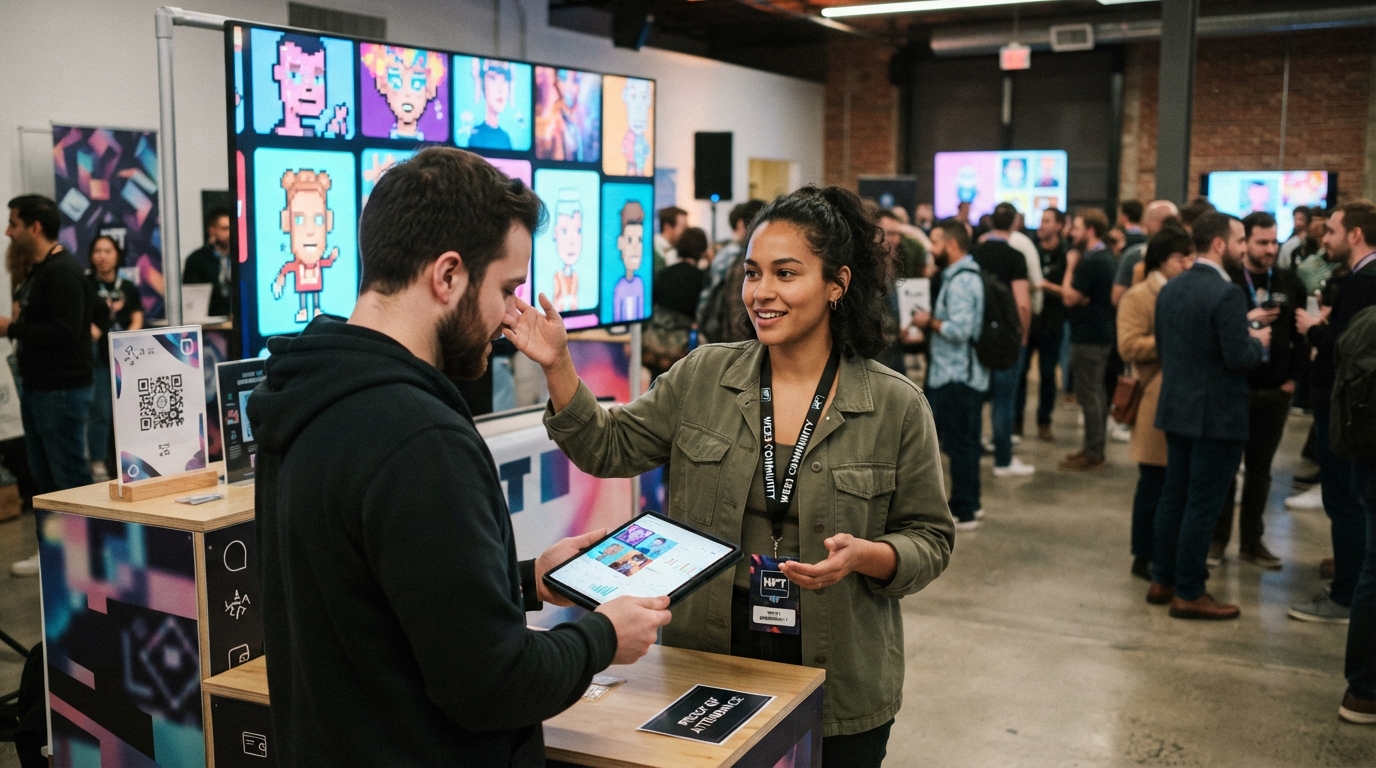
NFT content marketing is a long game. The projects that try to shortcut it with bots, paid shills, and hype-first strategies rarely build the kind of community that sustains them through market cycles. The ones that commit to consistent, honest, value-driven content almost always come out ahead.
Start with your narrative. Know who you’re for and what you stand for. Build a content calendar that maps to your buyer journey. Show up on the platforms where your audience actually is. Engage honestly, educate generously, and recognize the people who show up for you.
Do that consistently for six months, and you won’t just have an audience—you’ll have a community that believes in what you’re building. That belief is the most powerful marketing tool in the NFT space.
Frequently Asked Questions About NFT Content Marketing
What is NFT content marketing?
NFT content marketing is the strategic creation and distribution of content designed to attract, educate, and retain an audience for an NFT project. It includes blog posts, social media updates, video content, Discord community management, and email communications—all working together to build trust and drive engagement.
How do I start marketing my NFT project with no budget?
Start with organic content on Twitter and Discord. These platforms cost nothing but time. Focus on storytelling, education, and transparency. Build relationships with other creators in your niche, engage with your target community before you need anything from them, and create content that genuinely helps people understand your project.
Which social media platform is best for NFT marketing?
Twitter (X) is currently the most important platform for NFT projects due to its active NFT community and real-time culture. Discord is essential for community management. Instagram and TikTok work well for visual content and reaching broader audiences. YouTube supports long-form authority building.
How long does it take to see results from NFT content marketing?
Results vary depending on consistency, quality, and market conditions. Most projects begin to see meaningful community growth within 3 to 6 months of consistent content production. SEO-driven content can take 6 to 12 months to gain traction. Community growth on Discord and Twitter can happen faster with strategic collaboration and cross-promotion.
What type of content builds the most trust for NFT projects?
Transparent, educational, and human-centered content builds the most trust. Behind-the-scenes content showing the creative process, team introductions, detailed roadmap updates, and honest communication during setbacks consistently outperform purely promotional content in terms of trust and long-term community loyalty.
How often should I post content for my NFT project?
On Twitter, aim for at least one post per day. Discord updates should happen several times per week, with at least one structured event (AMA, reveal, community vote) per month. Blog content can be published weekly or bi-weekly. The key principle is consistency over volume—a sustainable schedule maintained over months outperforms bursts of activity followed by silence.
Is SEO relevant for NFT marketing?
Yes. Many NFT buyers start their research on Google before they ever reach Twitter or Discord. Creating SEO-optimized blog content that answers common questions—how to buy NFTs, what makes an NFT valuable, how to evaluate an NFT project—captures high-intent traffic and brings new audiences into your ecosystem.