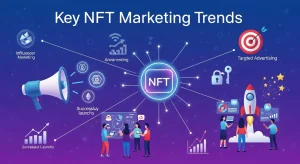
NFT Marketing Strategies That Build Massive Community Growth
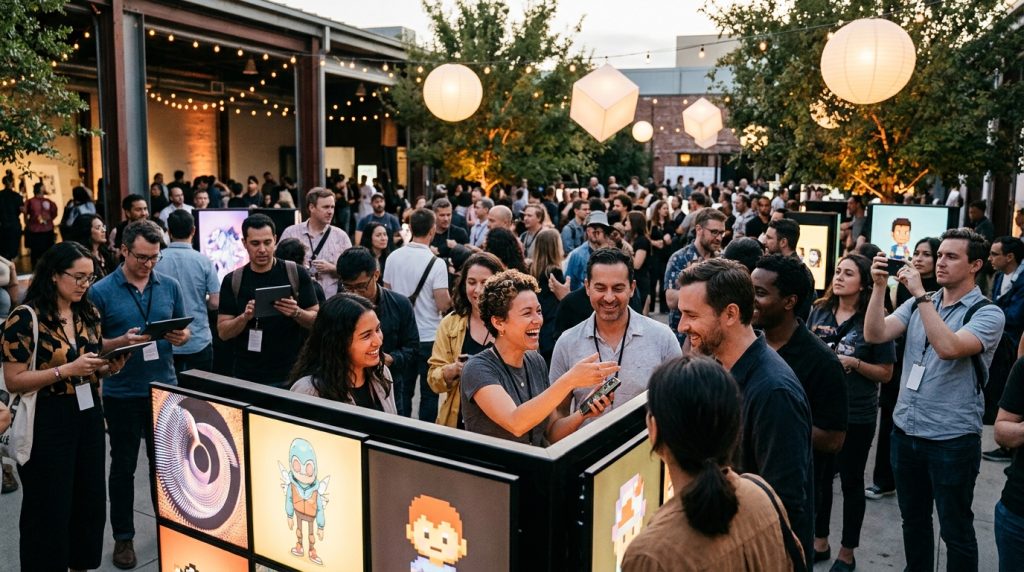
NFT Marketing Strategies help projects build trust, attract buyers, grow communities, and sustain long-term engagement. By combining branding, social media, Discord growth, influencer outreach, content marketing, and community psychology, NFT creators can transform simple collections into thriving Web3 ecosystems with loyal supporters and stronger market visibility.
NFT projects rarely grow because of art alone. They grow when people feel early ownership, social momentum, and a reason to stay active after mint day. That is why NFT Marketing Strategies matter so much. The strongest NFT brands do not simply announce a collection and hope for hype. They build trust, create anticipation, and turn holders into advocates who spread the story on their own.
The most effective NFT Marketing Strategies combine psychology, community design, content distribution, and consistent brand positioning. A project can have great artwork, but without a clear message, active channels, and a believable reason to join, the audience will not convert. Community growth in Web3 depends on connection, status, utility, identity, and momentum. That is the foundation behind every serious NFT growth play.
If you are searching for how to market an NFT project, the answer begins with a simple truth: people do not buy an NFT because they understand every technical detail. They buy because they believe in the community, the culture, the potential upside, and the identity the project gives them. That is why NFT Marketing Strategies should always be built around human behavior first and promotion second.
Why Community Is the Core Asset in NFT Growth
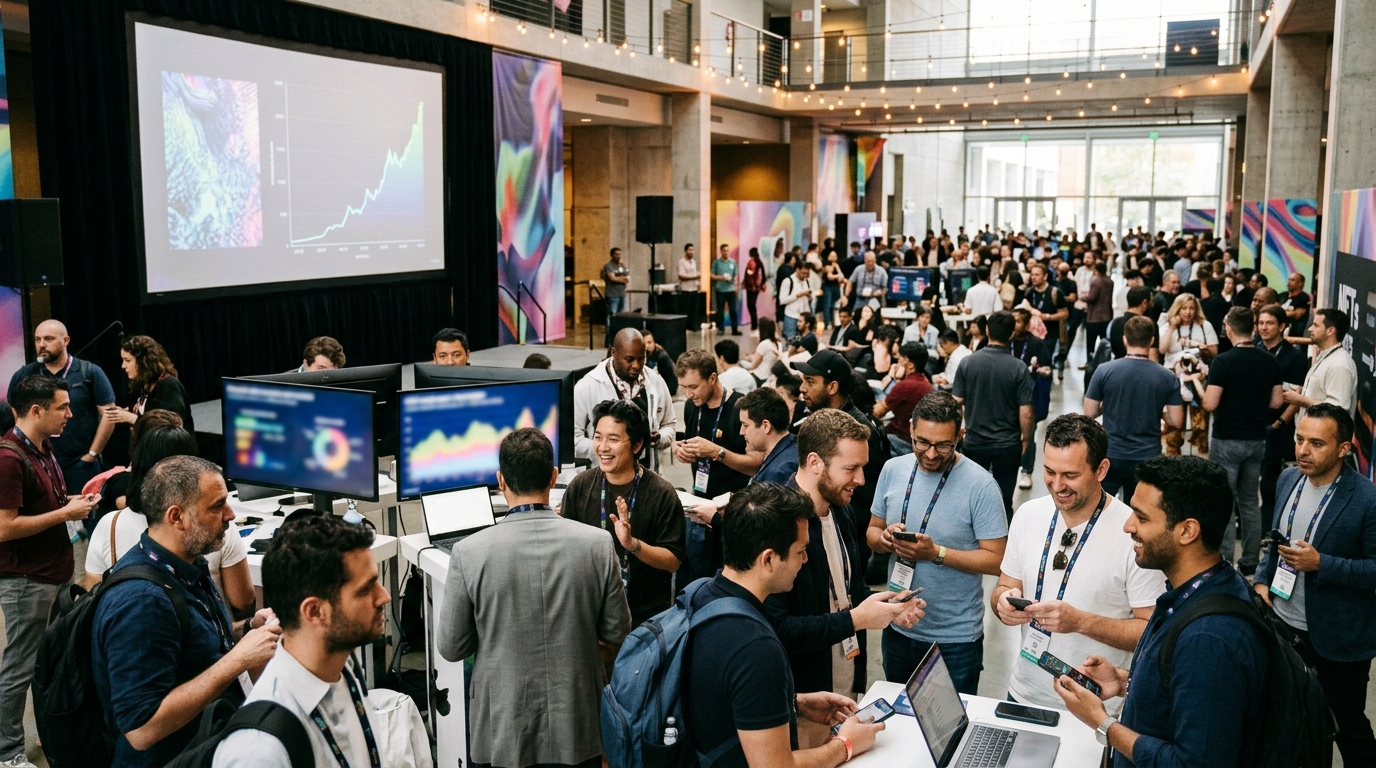
A strong NFT project is a living network, not a static product. The art may attract attention, but the community keeps that attention alive. This is where NFT community building becomes the heart of long-term success. When people feel seen, informed, and rewarded, they are more likely to stay, post, refer, and defend the project publicly.
Many founders focus heavily on mint mechanics and marketplace listings while ignoring the emotional side of community design. That is a mistake. The best NFT Marketing Strategies understand that people want belonging, recognition, and influence. Community members want to feel like insiders, not just customers. They want access, voice, and meaning.
That is also why NFT community management should be treated as a brand function, not just a moderation task. Every reply, announcement, event, and reward system shapes trust. When communication is consistent, members begin to believe the project is serious. When communication is weak or confusing, even a promising concept can lose momentum fast.
NFT projects that grow sustainably build rituals. They create daily touchpoints in Discord, regular updates on Twitter, and interactive content that makes holders feel like part of a journey. These habits reduce silence, increase participation, and support organic word of mouth. In practice, the strongest NFT Marketing Strategies are the ones that turn passive followers into active participants.
Building the Right Position Before You Promote
Before any campaign begins, the project needs a clear identity. NFT project branding is not just a logo or color palette. It is the emotional and strategic frame that tells people why this project exists, what it stands for, and why it matters now. Without that frame, every post, ad, and partnership feels disconnected.
The most successful NFT projects choose a specific lane. Some lean into digital art, some into gaming, some into membership, and some into culture-driven status. Clarity is powerful because it makes communication easier. It also helps the audience remember the project when they see it again. A strong brand can make a weak message feel confusing, but a weak brand can make a strong message disappear.
NFT digital branding should be consistent across social channels, landing pages, Discord, and marketplace visuals. The tone of voice should sound like one project, not five different ones. Design language, community language, and founder language should all reinforce the same promise. This kind of consistency is one of the most underrated NFT Marketing Strategies because it reduces friction at every stage of the buyer journey.
Understanding How NFT Marketing Works
Many creators ask how NFT marketing works, and the answer is broader than simple promotion. NFT marketing works by creating awareness, building trust, activating interest, and giving people a reason to act before the opportunity feels gone. That process usually happens in layers.
First, a project needs discovery. Then it needs credibility. After that, it needs engagement. Finally, it needs conversion and retention. If any stage is weak, the funnel leaks. A project can have plenty of views but no community. It can have a community but no mint sales. It can mint successfully but fail to retain holders. Well-planned NFT Marketing Strategies address all four stages.
This is why founders should think like experience designers, not only promoters. Every touchpoint should reduce uncertainty and increase perceived value. The goal is not only to get clicks. The goal is to make people feel confident enough to join, participate, and share.
NFT Social Media Marketing as the Visibility Engine
Social platforms are still one of the fastest ways to build momentum in Web3. NFT social media marketing works because people want to see what others are excited about. Social proof matters. Repeated visibility matters. A project that appears active, credible, and culturally relevant will naturally attract more attention.
On Twitter, the best content is not just about announcements. It is about the story. People respond to narrative threads, progress updates, behind-the-scenes moments, creator insights, and community highlights. NFT Twitter growth happens when the account feels alive and worth following, even before mint. A dormant profile with no personality will struggle to convert attention into trust.
Strong social content should mix education, entertainment, scarcity, and community participation. This is where many NFT Marketing Strategies become more effective. Instead of posting only sale-focused content, a project can create polls, memes, teaser clips, cultural commentary, artist spotlights, and milestone updates. These formats keep the audience engaged without exhausting them.
Instagram, YouTube Shorts, and TikTok can also support visibility when the creative angle is strong. Short-form video is especially useful for showing artwork, character reveals, roadmap milestones, or founder commentary. The idea is not to be everywhere blindly. The idea is to choose channels that match the audience’s attention habits and then post consistently.
Discord as the Relationship Layer
Twitter may attract interest, but Discord often determines whether that interest becomes a real community. NFT Discord marketing is powerful because it creates a direct environment for access, conversation, and loyalty. In Discord, people can ask questions, join events, share fan content, and feel closer to the team.
A good Discord server is structured around clarity. Newcomers should instantly understand where to start. Channels should have a purpose. Announcements should be easy to find. Utility, whitelist access, events, support, and holder-only spaces should all be organized in a way that reduces confusion.
The best NFT Marketing Strategies treat Discord like a membership experience. People should feel progress. They should be able to unlock status, participate in games, join AMAs, and contribute ideas. Active communities are not accidental. They are designed.
Moderation also matters. Friendly moderators, fast support, and thoughtful onboarding can shape the entire mood of a server. If people feel welcomed, they are more likely to stay and engage. If they feel ignored, they will leave quietly. That is why NFT community management has to be proactive rather than reactive.
Engagement Is More Valuable Than Raw Audience Size
Many new founders chase follower counts, but NFT audience engagement is usually a better signal of real demand. A smaller audience that comments, shares, asks questions, and joins events is often more valuable than a larger silent audience.
Engagement comes from participation. People engage when they are invited into the story. That can happen through contests, polls, early access reveals, community votes, lore drops, AMA sessions, or holder challenges. When engagement feels rewarding, members keep returning.
This is one reason NFT community engagement ideas should always be built into the campaign calendar. Weekly events, surprise rewards, and public recognition can create steady activity. When a project disappears for long periods, the community’s energy weakens. The strongest NFT Marketing Strategies keep the audience involved even between major announcements.
Launch Preparation Starts Long Before Mint Day
A successful launch usually looks effortless from the outside, but behind the scenes, it is the result of careful planning. NFT launch marketing is a staged process. It starts with positioning, continues through awareness, and peaks around the mint moment.
A launch campaign should first answer the basic questions buyers will have: Why this project? Why now? Why should I care? What makes it different? These answers should appear across the website, social posts, Discord, and creator interviews.
The most effective NFT launch marketing checklist includes teaser assets, countdown content, community activation, partner outreach, social proof building, and clear mint instructions. Confusion kills momentum. Simplicity helps conversion. If the audience cannot immediately understand what to do, they will hesitate.
That is why pre-launch trust is so important. A project should not wait until the final week to start building credibility. It should steadily show progress, transparency, and personality. Good NFT Marketing Strategies make the pre-launch phase feel like a story unfolding, not a last-minute sales push.
Content That Educates While It Sells
Content should do more than advertise. It should help the audience feel smarter, more involved, and more confident. NFT content promotion works best when the content mixes utility with emotion. Educational threads, short explainer videos, founder updates, design previews, and community spotlights all help the audience understand the project’s value.
This is where a beginner-friendly approach can be especially effective. NFT marketing guide for beginners content often performs well because many potential buyers are still learning the space. They want simple explanations, not heavy jargon. If your content can make them feel informed rather than overwhelmed, trust rises.
Blog posts, threads, email updates, and video clips can all support the same goal. They should not repeat the same message mechanically. Instead, each piece should move the audience one step deeper into the ecosystem. A tweet may introduce the concept. A blog may explain the vision. Discord may confirm the culture. That layered approach strengthens NFT Marketing Strategies over time.
How to Grow Attention Without Burning the Audience Out
Attention in Web3 moves quickly. Projects that chase hype alone often create fatigue. Sustainable growth comes from balance. People need novelty, but they also need consistency. They need excitement, but they also need clarity.
This is why how to grow NFT community is not just a content question. It is a pacing question. You need enough frequency to stay visible, but not so much noise that the audience stops caring. A steady rhythm of updates, reveals, and discussions usually performs better than random bursts of activity.
Creators should also think carefully about the emotional journey of the follower. Early-stage followers want to learn. Mid-stage followers want reassurance. Late-stage followers want proof and exclusivity. The best NFT Marketing Strategies adapt the message to each stage instead of using one message for everyone.
Audience Attraction Starts with Relevance
One of the most overlooked parts of NFT growth is message-market fit. If the project is designed for collectors, the content should speak to art, rarity, and taste. If it is designed for gamers, the messaging should emphasize immersion, progression, and utility. If it is designed for communities, the social identity should be front and center.
This is where how to attract NFT buyers becomes a strategic question. Buyers are more likely to respond when they see relevance to their interests and status. They want to know what they gain by joining. That gain might be access, community, expression, upside, or long-term involvement.
NFT promotion tips for creators often work best when they focus on clarity over volume. A few sharp messages repeated across the right channels can outperform a flood of scattered posts. People remember what feels specific. General messaging gets ignored.
Using Influencers Without Losing Authenticity
NFT influencer marketing can work well when the creator selection is careful. The goal is not just to reach. The goal is trust transfer. When a respected voice introduces the project, some of their credibility moves with the recommendation.
That said, influencer partnerships should feel aligned. If the influencer audience does not match the project’s identity, the campaign may produce low-quality traffic. Authenticity matters. People in Web3 are quick to notice when a partnership feels forced.
The strongest NFT Marketing Strategies use influencer relationships as part of a larger story. The influencer can preview the art, discuss the mission, join a live event, or share their personal connection to the project. That feels more human than a generic sponsored post.
Advertising Can Support the Funnel, But It Cannot Replace Trust

NFT advertising campaigns are useful when they support an already clear and credible brand. Ads can boost awareness, retarget warm visitors, and help a project stay visible during a launch window. However, ads cannot fix weak positioning.
If the landing page is confusing, if the community looks empty, or if the project has no believable reason to exist, paid traffic will not convert well. That is why ads should be used carefully and strategically. They are amplifiers, not miracles.
The best NFT Marketing Strategies use ads to reinforce what organic content has already begun. That may include retargeting social followers, promoting blog content, spotlighting art reveals, or pushing event registration. Paid media works best when the audience already has some familiarity.
Organic Traffic Is Still a Powerful Asset
Some projects overlook search and content discovery, but NFT organic traffic can become a valuable long-term channel. Educational articles, launch pages, collection pages, and creator blogs can attract people who are actively researching the space.
This matters because many buyers do not decide immediately. They research. They compare. They check the team, the community, and the project story before they commit. That means high-quality content can continue generating interest long after the original post or ad has faded.
The most effective NFT Marketing Strategies use organic content to answer questions buyers already have. If people are searching for ways to increase NFT sales, how to promote NFT collections, or best NFT marketing strategies, they are usually already aware of the opportunity and looking for guidance. That is exactly the kind of intent that good content can capture.
Creating a Brand Story People Want to Follow
Brand story is what makes people care beyond price. NFT project branding should communicate a worldview, not just a collection. A strong story gives the audience a reason to identify with the project.
Story can come from the creator journey, cultural inspiration, lore, mission, or artistic style. It can also come from the way the community is treated. When members feel like co-builders, the story becomes participatory.
This matters because Web3 audiences often look for meaning, not just assets. They want to belong to something that feels culturally alive. Good NFT Marketing Strategies are built around that need. They do not simply sell a collection. They invite people into an identity.
Retention Is Where the Real Value Lives
A lot of projects focus too much on the initial sale. But long-term value often comes from what happens after the mint. NFT holder retention is critical because retained holders create social proof, future engagement, and repeat activity.
Retention improves when holders feel rewarded for staying active. That can mean access to new content, exclusive spaces, future mints, community recognition, or governance input. The key is to avoid making holders feel forgotten after launch.
The most durable NFT Marketing Strategies always include post-mint communication. Regular updates, transparent roadmaps, and ongoing utility help reduce churn. People are more likely to remain involved when they see the project still moving forward with purpose.
Building Momentum Through Viral Mechanics
Viral growth in Web3 is rarely random. It usually comes from content that is easy to share and easy to understand. NFT viral marketing works when posts trigger emotion, status, curiosity, or participation.
Memes, reveal mechanics, leaderboards, public challenges, and time-sensitive drops can all help. But virality should never be the only goal. If the content spreads without building trust, the audience may vanish as quickly as it arrived.
Strong NFT Marketing Strategies use viral mechanics to support community identity. The audience should feel proud to share the project because it reflects them. That emotional connection creates more durable momentum than shock value alone.
Marketplace Visibility Still Matters
Even with strong social growth, marketplace presence remains important. NFT marketplace promotion helps buyers discover the collection where they already browse and compare assets. Good listings, clear descriptions, clean visuals, and updated metadata all improve trust.
Marketplaces often serve as the final validation step. If a potential buyer sees active trading, strong visuals, and consistent branding, confidence rises. That is why the project should make sure its marketplace presentation matches the quality of its social presence.
The best NFT Marketing Strategies do not separate social from marketplace. They treat them as parts of one buyer journey. Social creates desire. Marketplace creates confirmation. Together they convert interest into action.
Web3 Requires a Different Marketing Mindset
Traditional marketing often focuses on performance, segmentation, and conversion funnels. Web3 marketing includes those elements, but it also includes identity, ownership, and participation. That is why Web3 marketing strategies must be community-centred.
People in NFT ecosystems often want more than a product. They want belonging, access, and upside. They want to feel early. They want to feel informed. They want to feel connected to a movement. That means your communication style should feel more like an invitation than a transaction.
This is also why blockchain marketing strategies need strong narrative consistency. The technology can be complex, but the message must be simple. The audience should quickly understand what the project does, why it matters, and how they can participate.
Practical Ways to Increase Visibility Before and After Launch
There are many ways to increase NFT sales, but they all start with trust and visibility. Before launch, the project can use teaser content, partnerships, and community challenges. After launch, it can use holder benefits, content updates, and secondary market support.
Part of the process also includes listening. Community feedback can reveal what people like, what they do not understand, and what would make them more active. The best NFT Marketing Strategies are adaptive. They evolve based on audience signals rather than sticking rigidly to a fixed plan.
Creators should also focus on relevance in every touchpoint. A tweet should make people curious. A Discord event should make them feel included. A blog post should help them understand the value. A launch page should make the next step obvious. When the journey is aligned, conversion becomes easier.
How to Build a Community That Promotes Itself
A self-sustaining community does not happen by accident. It begins with a clear reason to gather. Then it needs ongoing reasons to participate. Finally, it needs recognition systems that make contribution visible.
One of the strongest NFT Marketing Strategies is to reward behavior that supports the culture. That can include welcoming newcomers, creating fan content, sharing updates, asking thoughtful questions, or helping other members. When positive behavior is acknowledged, it tends to repeat.
Over time, the community becomes a channel in itself. Members start posting organically, defending the brand, and helping new people understand the project. That kind of activity is powerful because it feels authentic. It is not the project speaking alone. It is the network speaking for itself.
Strategic Marketing for Artists and Creators
NFT marketing for artists has its own rhythm. Artists often have to balance personal expression with commercial strategy. The audience may be drawn to style, story, technique, or scarcity. The challenge is to present the work in a way that respects the art while still driving engagement.
For creators, branding is especially important. NFT branding strategies should highlight what makes the artistic voice unique. That could be the medium, the emotional tone, the themes, the process, or the cultural influence. A strong brand gives the audience a clear reason to remember the artist and follow the work over time.
Artists also benefit from audience education. Not every follower understands minting, collection structure, royalties, or utility. Clear communication reduces hesitation. That is why many NFT Marketing Strategies for artists should include simple explanations, community previews, and collection storytelling.
A Strong Marketing System Uses Multiple Layers

The best NFT projects rarely rely on one channel. They use social media, Discord, partnerships, content, and community events together. Each layer supports the others.
Twitter may introduce the audience to the brand. Discord may deepen the relationship. Content may educate and persuade. Influencers may accelerate trust. Ads may expand reach. Marketplace presentation may close the loop. That layered structure is what gives NFT Marketing Strategies real strength.
The mistake many projects make is relying on one source of attention. When that source slows down, the momentum disappears. A balanced system is more resilient. It gives the audience multiple ways to learn, engage, and convert.
What Modern Buyers Notice Immediately
Modern NFT buyers are observant. They notice whether the project is active. They notice whether the team communicates clearly. They notice whether the community feels genuine. They notice whether the brand looks polished or rushed.
They also notice consistency. When the messaging changes too often, confidence drops. When the art, community, and roadmap do not match, trust weakens. That is why every serious NFT campaign should aim for coherence.
The strongest NFT Marketing Strategies create coherence across every public touchpoint. From pinned tweets to Discord welcome messages to holder updates, the project should feel unified. That unity makes the brand easier to trust.
Keeping the Community Warm Between Big Announcements
One of the hardest parts of Web3 growth is maintaining energy during quiet periods. That is where ongoing content and community rituals matter most. A project should never go silent for too long.
Small updates can go a long way. Sharing progress photos, teasing future ideas, spotlighting supporters, and running interactive discussions all help keep the community warm. NFT audience engagement improves when people have reasons to come back regularly.
This is also a good place to experiment with NFT community engagement ideas that fit the brand. Live Q&A sessions, mini contests, lore reveals, creative prompts, and member spotlights can all maintain momentum without feeling repetitive.
Why the Best Projects Think Like Media Brands
The projects that grow fastest often act like media brands, not just product launches. They publish consistently. They shape a narrative. They give people something to follow.
That media mindset is essential because attention is earned repeatedly, not once. A project that can tell a story every week has a much better chance of surviving than one that only speaks during sales windows. That is one of the simplest but strongest NFT Marketing Strategies to remember.
Media-style thinking also helps with community retention. When people know there will always be something new to see, they stay involved. They do not need to be convinced from scratch every time.
Turning Followers Into Contributors
A healthy NFT community is not built from observers alone. It grows when followers become contributors. They share, create, advise, invite, and support the ecosystem.
This shift can be encouraged through recognition and access. Give people roles, shoutouts, early previews, or opportunities to influence decisions. When members feel that their participation has weight, they begin acting more like stakeholders.
The most successful NFT Marketing Strategies move the audience from passive interest to active contribution. That transition is where the community becomes powerful, because it stops depending entirely on the team.
Planning the Next Phase Before the First One Ends
Good growth planning never ends at launch. The team should already be thinking about the next campaign, the next milestone, and the next reason to gather. Long-term projects remain relevant because they keep building after the initial excitement.
That could mean new collaborations, lore drops, product expansions, reward systems, or seasonal events. The important part is that the audience sees movement. Stagnation kills momentum. Progress keeps people interested.
This is the deeper promise behind NFT Marketing Strategies: not just awareness, but continuity. A well-marketed project does not merely attract attention once. It keeps earning trust, activity, and loyalty over time.
Common Mistakes That Slow Down Growth
Many projects make similar mistakes. They post too much promotional content and not enough value. They start community channels too late. They ignore feedback. They use vague branding. They try to grow before clarifying their story.
Another common issue is inconsistency. A project may post heavily for two weeks and then disappear. That creates uncertainty. Audiences prefer steady signals over bursts of excitement followed by silence. Strong NFT Marketing Strategies protect against that pattern by creating a repeatable system.
It is also easy to overestimate the power of hype. Hype can attract attention, but trust converts it. Without trust, hype becomes temporary noise.
Designing for Emotional Buy-In
People remember how a project made them feel. That feeling matters just as much as the information. A compelling NFT project should create excitement, belonging, and anticipation.
That emotional layer is why storytelling matters so much. People are more likely to engage when they feel like they are part of something meaningful. Even simple design choices can shape that feeling. Tone, visuals, timing, and community rituals all contribute to the emotional experience.
Well-executed NFT Marketing Strategies do not just communicate features. They create emotional buy-in that lasts beyond a single post or sale.
Final Strategic Direction for Growing an NFT Community
At the highest level, growth comes from alignment. The project must align its brand, content, community, and launch process around a clear vision. When those pieces fit together, momentum feels natural.
That is the real goal behind NFT Marketing Strategies: to build a project that people want to join, talk about, and stay with. The audience should understand the brand quickly, trust the team gradually, and feel proud to participate publicly.
When the messaging is clear, the community is active, and the campaign is consistent, growth becomes much easier to sustain. The project no longer depends on random spikes of attention. It develops a system that keeps attracting the right people for the right reasons.
And that is how serious NFT projects build massive community growth through smart, human-centered NFT Marketing Strategies.