NFT Podcast Marketing: Audio Strategies to Expand Reach

NFT podcast marketing leverages audio content to educate, entertain, and engage audiences. By defining your niche, producing high-quality episodes, and promoting via social media and community channels, creators can strengthen authority, boost mint sales, and foster loyal communities. Strategic planning and consistency ensure maximum reach and measurable impact.
Podcasts have transformed how creators share ideas, tell stories, and nurture communities with audio content that resonates on a deeply personal level. In today’s digital landscape, NFT podcast marketing has emerged as a powerful strategy for non‐fungible token projects eager to strengthen their online presence, foster deeper connections, and demystify blockchain innovations for a wider audience. Today, audiences crave long-form discussions they can listen to during commutes, workouts, or downtime—and a well-produced podcast dedicated to NFTs delivers just that.
Currently, launching a show focused on NFT podcast marketing positions your team as industry pioneers, offering authoritative insights, roadmap updates, and insider interviews that listeners cannot find elsewhere. With modest investments in microphones and hosting services, you can craft an audio brand that enhances your project’s credibility, drives community engagement, and creates repurposable assets for blogs, social media, and video channels. In this year (2026), the competition for attention is fierce; audio offers a unique, intimate space to showcase your vision and convert fans into active participants.
The Power of Audio in NFT Podcast Marketing
Audio content delivers unparalleled engagement: unlike a quick tweet or a static image, podcast episodes invite listeners to immerse themselves for 20–60 minutes, guiding them through deep dives into project roadmaps, market trends, and artist spotlights. NFT podcast marketing taps into this long-form format to forge stronger connections, as each episode becomes a conversational journey that builds familiarity between hosts, guests, and audiences. By sharing stories and insights in a human voice, you transform abstract concepts—like token standards and smart contract mechanics—into accessible narratives that resonate.
Building authority is another key benefit. Hosting interviews with industry experts, digital artists, or marketplace founders positions your show as a go-to resource. Listeners begin to associate your brand with trusted expertise and insider knowledge, boosting confidence in your project and helping to attract new collectors. In today’s crowded NFT ecosystem, standing out requires demonstrating value beyond mere graphics—and a podcast provides the perfect stage.
Community connection thrives in the audio realm. Much like gathering around a virtual campfire, subscribers tune in regularly, developing a sense of loyalty and belonging. This fosters higher retention rates and more active participation in Discord servers, Telegram groups, or club-style platforms. Reacting to listener feedback, answering submitted questions, and featuring community-generated content further deepen these relationships, making each episode an interactive experience.
Multichannel reach amplifies your investment. Episodes can be repurposed into blog posts, infographics, social reels, and YouTube chapters—extending the ROI of each recording session. Republished transcripts also boost SEO, pulling more organic traffic to your site. Finally, the low barrier to entry ensures both independent creators and enterprise-level teams can harness the medium without massive budgets. For projects seeking cost-effective, high-impact marketing, NFT podcast marketing is a clear winner.
Crafting Your Podcast Strategy for NFT Success
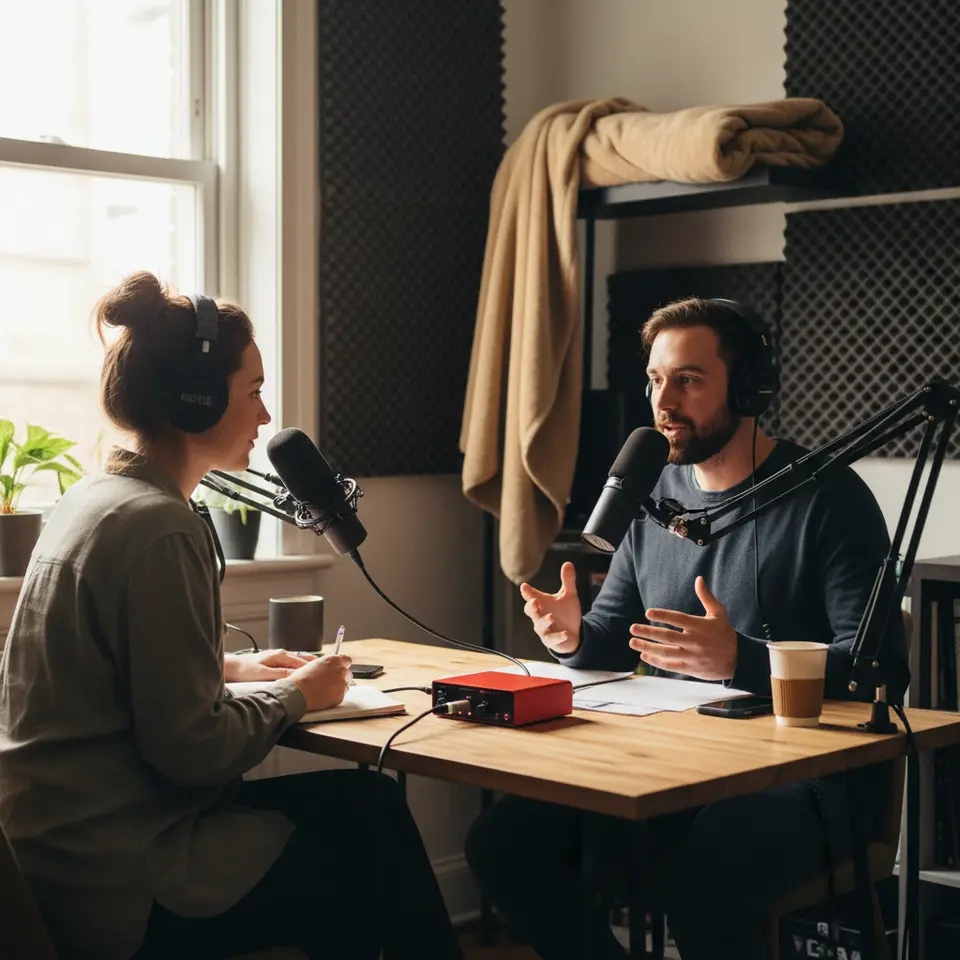
Effective NFT podcast marketing begins with a robust strategy that aligns content with business objectives and listener interests. First, define your target audience. Are you speaking to digital art collectors, gaming enthusiasts, builders exploring metaverse applications, or general crypto newcomers? Narrowing your focus allows you to tailor episode themes, interview styles, and promotional channels. For instance, an art-centric show might feature deep conversations with illustrators and sculptors, while a utility-focused podcast could dive into tokenomics, governance models, and real-world integration.
Next, establish clear goals and key performance indicators (KPIs). Today, you might aim to increase Discord membership by 30% over three months, generate 1,000 website clicks per episode, or drive 200 mint sales through exclusive promo codes announced on air. Tracking metrics such as download counts, listener retention rates, website referral traffic, and social media mentions will inform which formats resonate and where to allocate resources.
Planning a content calendar is essential for consistency. Decide on publishing frequency—weekly, bi-weekly, or monthly—and sketch out topics at least a quarter in advance. A balanced mix of evergreen episodes (e.g., “How to Evaluate NFT Projects”) and timely commentary (e.g., major marketplace updates) keeps your show both relevant and timeless. Incorporate special segments—like listener Q&A, community highlights, or “Monthly Mint Picks”—to add variety and encourage audience submissions.
As you refine your approach, conduct periodic strategy reviews. Analyze performance data from your hosting platform and site analytics, then adjust guest line-ups, episode length, or segment structure based on real-time feedback. By iterating in today’s fast-evolving NFT space, you ensure your podcast remains valuable, engaging, and aligned with your project’s growth trajectory.
Producing Compelling Content That Converts
High-quality content is the backbone of any successful NFT podcast marketing effort. It begins with a compelling introduction: hook listeners within the first 30 seconds using a surprising market statistic, a brief teaser of guest insights, or a relatable anecdote that frames the episode’s value. A well-crafted opener sets expectations and invites listeners to stay tuned for the full conversation.
Structure each episode into clear segments to maintain flow and listener interest. A typical format might include:
- Opening: Warm welcome, show name, and episode number;
- Main Discussion: Solo commentary, co-host banter, or guest interview exploring core topics;
- Sponsor Break/Announcements: Brief, native ads or project updates;
- Community Spotlight: Listener questions or member success stories;
- Closing: Key takeaways, calls to action (subscribe, join Discord, mint NFT), and teaser for the next episode.
Inviting guests—artists, collectors, developers, or influencers—expands credibility and diversity of perspectives. Prepare a concise pre-interview brief outlining topics and technical requirements, and ensure each participant has a reliable setup. During the session, guide the conversation with thoughtfully curated questions, but allow room for spontaneity and authentic dialogue. After recording, include links to guests’ portfolios or social handles in show notes to drive cross-traffic and reinforce professional relationships.
Storytelling and education should be balanced thoughtfully: weave technical details, like smart contract standards or gas fee strategies, into engaging narratives. Use real-world analogies—comparing token drops to limited-edition prints or blockchain forks to publishing edits—to demystify complex concepts. In doing so, your podcast becomes both an entertaining and informative resource that listeners rely on in today’s competitive NFT ecosystem. Learn more about NFT Marketing Services.
Technical Setup and Production Best Practices
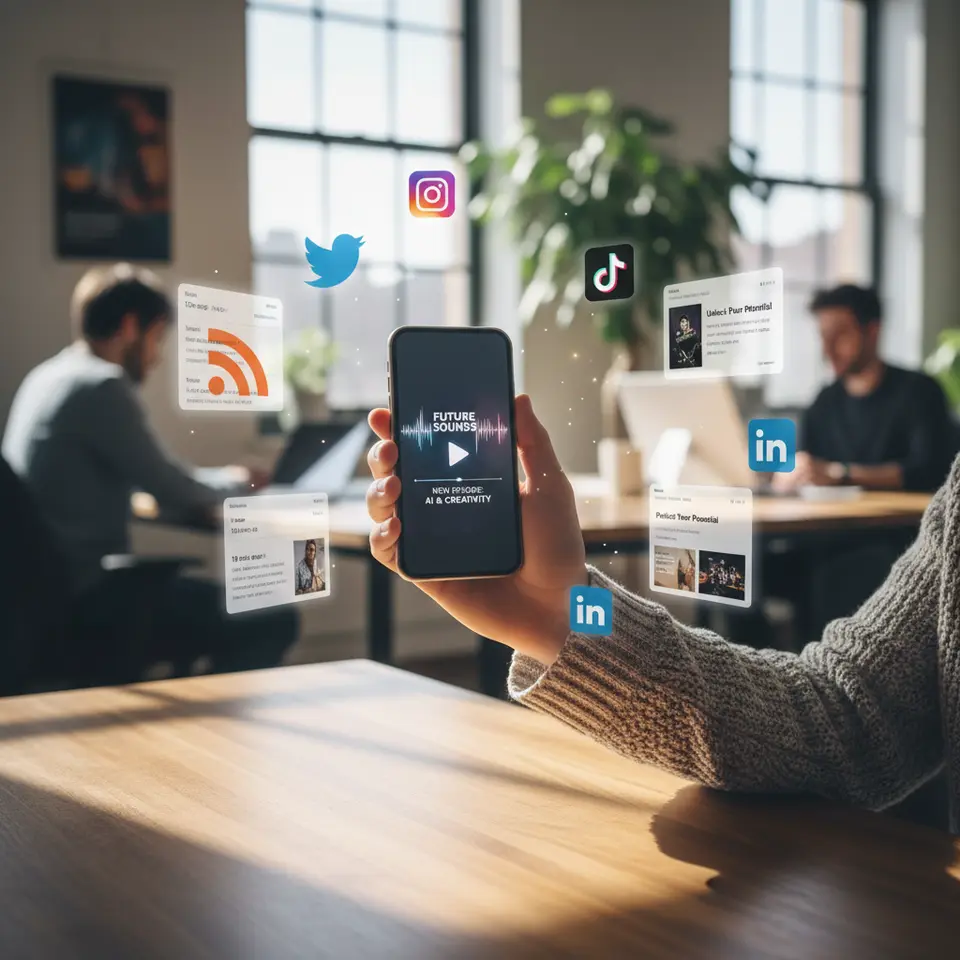
Professional sound quality elevates your brand and keeps listeners engaged. While a high-end studio is optional, invest in a reliable microphone—an XLR dynamic model like the Shure SM58 or a USB condenser such as the Audio-Technica ATR2100x delivers clear vocals. Monitoring through closed-back headphones reduces audio bleed and allows you to catch issues in real time.
For XLR microphones, pair with a compact audio interface like the Focusrite Scarlett Solo. If you prefer an all-USB workflow, ensure your recording environment is quiet and treat surfaces with foam panels or DIY solutions (thick blankets or carpets) to minimize echo. Utilize recording software—free options like Audacity or professional DAWs such as Adobe Audition—to capture and edit. Refer to guidelines provided by the Audio Engineering Society for optimal mic placement and acoustic treatment.
Post-production is equally critical. Remove filler words (“um,” “uh”) and long pauses, normalize audio levels for consistent volume, and apply gentle compression to smooth out peaks. Incorporate branded intro and outro music beds, making sure you have appropriate licenses or royalty-free tracks. For technical standards and best practices on measurement, calibration, and audio metadata, consult resources from the National Institute of Standards and Technology. This attention to detail signals professionalism and builds listener trust.
Before publishing, conduct test uploads to your hosting platform and listen to the final file on multiple devices—smartphone, laptop, and Bluetooth speaker—to ensure consistent quality. A polished production demonstrates respect for your audience and sets the stage for effective NFT podcast marketing.
Launching, Promotion, and Community Engagement
With your episodes polished, focus on distribution and promotion to maximize reach. Choose a reliable podcast host—such as Libsyn, Anchor, or Buzzsprout—that provides automated RSS delivery to major directories like Apple Podcasts, Spotify, Google Podcasts, and more. Verify that episode metadata, artwork, and descriptions are optimized with keywords, including the focus phrase “NFT podcast marketing,” to improve discoverability.
Publish rich show notes on your website, complete with timestamps, guest profiles, links to marketplace listings, and embedded audio players. Transcripts not only boost SEO but also improve accessibility for hearing-impaired listeners. Encourage subscriptions on your blog by gating extra resources—like full interview transcripts or exclusive episode summaries—behind an email sign-up, driving newsletter growth.
Leverage social media to create bite-sized teasers. Tools like Headliner or Wavve generate audiograms—short, captioned clips with waveform animations—that perform exceptionally on Twitter, LinkedIn, Instagram Reels, and TikTok. Highlight a thought-provoking quote or key insight to entice new listeners. Collaborate with complementary podcasts or NFT communities for cross-promotion: guest swaps, co-hosted specials, or swap shout-outs can tap into adjacent audiences.
Building community is at the heart of successful NFT podcast marketing. Host live recording sessions on platforms like Twitter Spaces or Clubhouse, then repurpose the audio for your main feed. Set up a dedicated thread or voice channel in Discord where listeners can discuss episodes, share feedback, and suggest future topics. Offer exclusive perks—such as early access codes or limited‐edition NFTs—to subscribers who engage on-air, incentivizing deeper participation and loyalty.
FAQ
What equipment do I need to start an NFT podcast?
Begin with a quality microphone (XLR or USB), a stable audio interface if using XLR, closed-back headphones for monitoring, and basic acoustic treatments. Recording software like Audacity or Adobe Audition and a quiet space complete the setup.
How often should I publish episodes?
Consistency is key. Choose a cadence—weekly, bi-weekly, or monthly—that you can maintain long-term. A regular schedule builds listener habits and ensures steady community engagement.
How can I promote my podcast effectively?
Leverage social media audiograms, rich show notes with SEO keywords, guest cross-promotions, and live recording events on platforms like Twitter Spaces. Encourage shares and discussions in your Discord or Telegram channels.
Which metrics matter most for NFT podcast marketing?
Track download counts, listener retention rates, referral traffic to your website, Discord or community growth, and conversions tied to promo codes or mint links shared on the show.
Conclusion
NFT podcast marketing harnesses the power of audio to educate, entertain, and cultivate passionate communities around your project. By implementing a strategic plan—defining your niche, setting measurable goals, and producing content with professional sound—you position your show for success in today’s fast-moving NFT ecosystem. Consistent publishing, combined with rich show notes, social media teasers, and live interactions, amplifies reach and fosters genuine engagement.
Remember to iterate based on analytics, listener feedback, and emerging trends. As you refine your approach in this year (2026), your podcast can become a cornerstone of your marketing arsenal, driving website traffic, boosting mint sales, and strengthening brand authority. Get started today: outline your first episode, invest in the right gear, and join the growing ranks of creators leveraging NFT podcast marketing to expand their impact in today’s digital landscape.