Beyond the Metaverse: Virtual Reality Marketing Strategies to Elevate Your NFT Sales
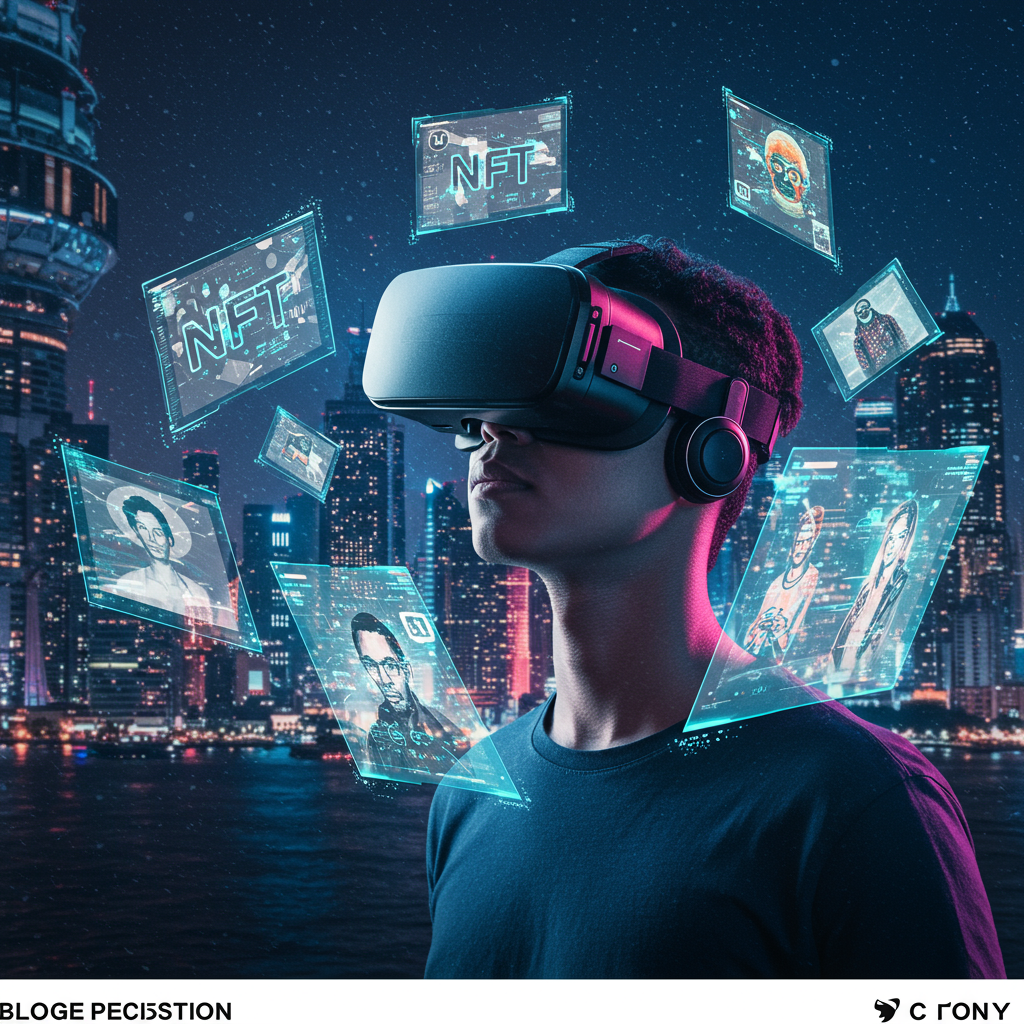
Combining NFTs with virtual reality transforms digital asset marketing. Immersive VR showrooms, live drops, Web3 wallet integration, and interactive experiences increase engagement, community interaction, and conversions. Data-driven insights help optimize campaigns, creating memorable, sales-boosting experiences for collectors and brands alike.
The world of digital assets is evolving at lightning speed. Non-fungible tokens (NFTs) have unlocked fresh ways for artists, brands, and collectors to interact—but standing out in a crowded marketplace requires more than just minting a token. Enter virtual reality (VR): an immersive, experiential medium that can transform passive browsing into interactive exploration. By combining NFT marketing with virtual reality environments, you can deliver memorable experiences that drive engagement, foster community, and ultimately boost sales of your digital assets.
Why Virtual Reality Matters for NFTs

Traditional digital galleries and marketplaces display static images or short videos, limiting how audiences connect with your NFT drops. VR marketing shatters these limitations by placing users inside custom, three-dimensional spaces. Inside a virtual showroom or gallery, potential buyers can browse, examine details, and even socialize with other collectors in real time. This heightened sense of presence builds stronger emotional connections, leading to higher conversion rates and long-term brand loyalty. Learn more about Hyper-Personalized NFT Marketing.
Designing Immersive VR Showrooms
The heart of any VR marketing strategy for NFTs is the immersive showroom. Start by defining a visual theme aligned with your collection’s artistic identity—whether it’s a digital art museum, a futuristic loft, or a fantasy landscape. Use 3D modeling tools like Blender or Unity to build interactive galleries that allow visitors to click on each piece for details, rarity attributes, and real-time price updates. Incorporate ambient soundscapes and directional audio to guide attention and heighten atmosphere.
Consider adding multiple rooms or themed sections within the showroom to create a sense of exploration. Each room can focus on a specific artist, style, or NFT collection, giving visitors a structured journey while maintaining engagement. Include interactive elements such as information panels, video clips, or 360-degree views of the artwork to provide richer context and storytelling.
Tip: Include hotspots or portals that transport visitors to limited-time exhibits or exclusive virtual events where new NFT drops take place. These dynamic elements encourage repeat visits and help you gather data on visitor behavior. Additionally, implement analytics tools to track which areas of the showroom attract the most attention, how long users spend at each exhibit, and which NFTs generate the most clicks or wishlist additions. This data informs future showroom design, layout improvements, and personalized visitor experiences.
Enhance social engagement by allowing users to share their favorite pieces or rooms directly on social media, or enable voice or text chat for real-time discussions with other visitors or curators. Consider gamifying the experience with scavenger hunts, collectible badges, or interactive challenges that reward exploration, encouraging longer visits and higher retention.
Finally, ensure the showroom is accessible across different devices, from high-end VR headsets to desktop and mobile web browsers, so all potential collectors can experience the exhibition regardless of hardware limitations. This approach maximizes reach, drives engagement, and strengthens the immersive impact of your NFT showcase.
Hosting Virtual Events and Live Drops
A successful NFT rollout often hinges on event-driven hype. By hosting live drops and auctions inside VR platforms like Decentraland, Spatial, or CryptoVoxels, you can replicate the buzz of physical gallery openings. Schedule VIP previews for early supporters, Q&A panels with the artist or project founders, and real-time auctions that play out in front of a virtual crowd. Encourage social interaction via customizable avatars and integrated voice or text chat.
Metric to track: Measure peak concurrent users, drop conversion rates, and average session duration to evaluate event success and optimize future campaigns.
Integrating Web3 Wallets and Payment Flows
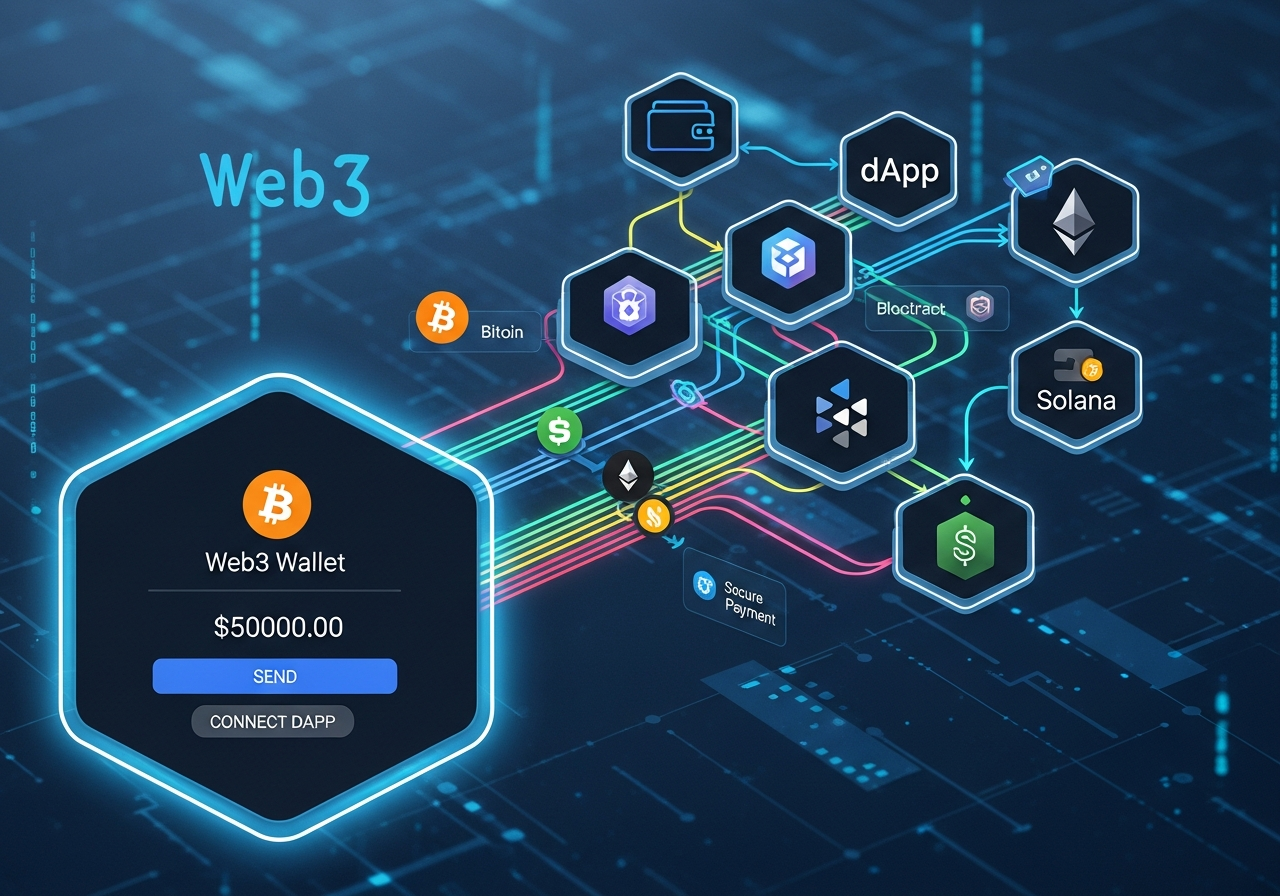
Seamless transactions are essential for a smooth NFT purchasing experience within VR environments. Integrate popular Web3 wallets—MetaMask, WalletConnect, or Coinbase Wallet—directly into your VR showroom, allowing users to connect their accounts without leaving the immersive space. When a user clicks “Buy” or “Bid,” a secure, pop-up interface should confirm the transaction in real time, providing transaction details, estimated gas fees, and wallet balances to maintain transparency and confidence.
Consider implementing layer-2 solutions or stablecoin gateways to minimize gas fees and reduce transaction latency, which is particularly important for new users unfamiliar with cryptocurrency. Offering multiple payment options, including fiat-to-crypto on-ramps, can further lower barriers to entry and expand your audience.
Enhance the user experience by providing visual cues and confirmations in the VR space, such as animated notifications or progress indicators, so buyers know when a transaction is successfully completed. For high-value NFT drops, include optional multi-factor authentication or biometric verification to increase security.
Additionally, integrate analytics to track wallet connections, transaction completions, and abandonment points. This data helps identify friction areas, optimize payment flows, and inform future VR NFT campaigns. By combining secure, intuitive wallet integration with thoughtful design and data-driven insights, you ensure a seamless and trustworthy purchasing experience that encourages higher conversion rates and repeat visits.
Measuring VR Campaign Performance
To optimize VR marketing for NFTs, tracking key metrics is essential. Use analytics tools like DappRadar or platform-specific SDKs to monitor visitor flow, click-through rates on individual artworks, auction participation, and wallet connection rates.
Gather qualitative feedback through in-experience surveys, chat logs, and user comments to understand engagement patterns, usability issues, and visitor sentiment. Analyze this data to identify bottlenecks in onboarding, highlight high-performing exhibits, and discover opportunities for personalization or interactive enhancements in future campaigns.
By combining quantitative and qualitative insights, you can continuously refine VR showroom layouts, content presentation,
Case Study: The Galactic Gallery Launch
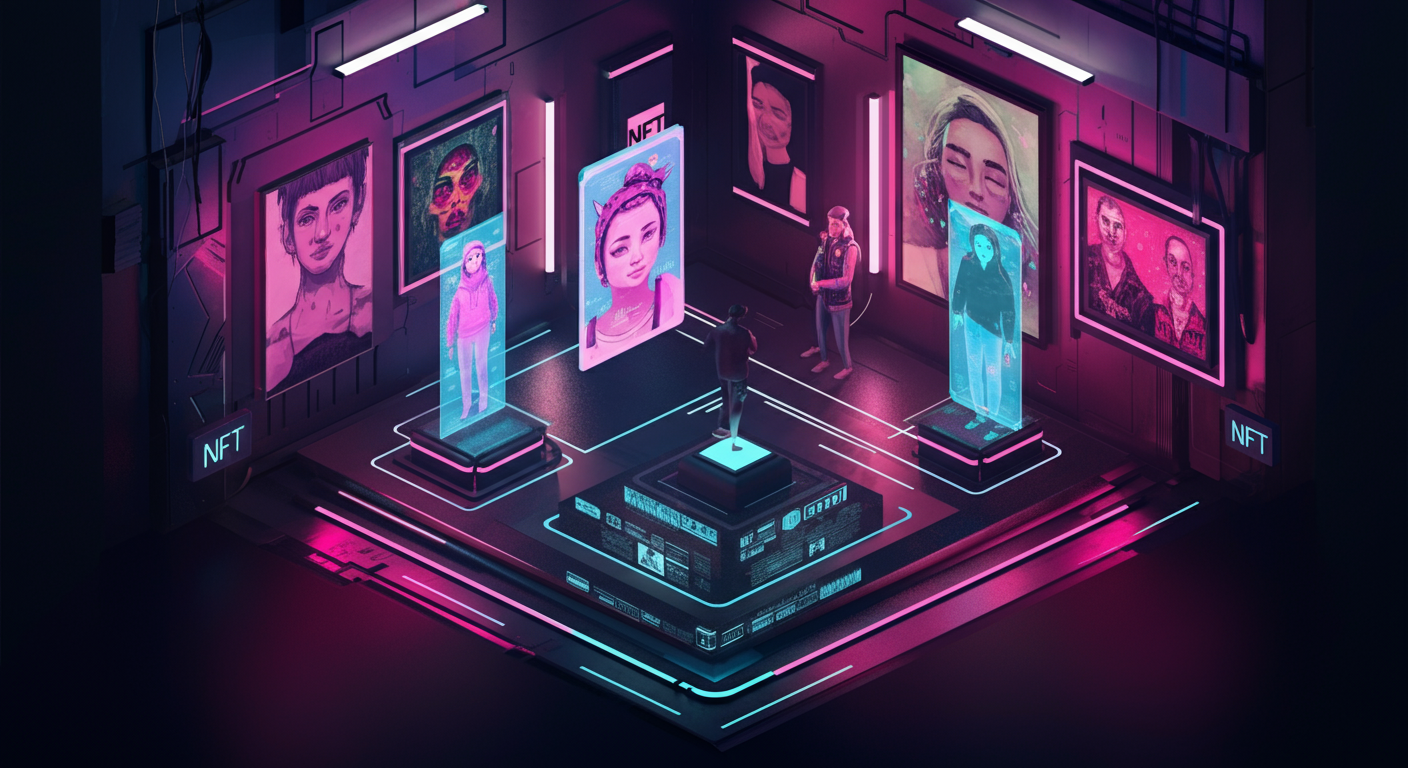
The Galactic Gallery NFT project leveraged a sci-fi VR experience to captivate collectors. The showroom replicated a space station orbiting Earth, with visitors entering through an airlock and navigating zero-gravity corridors to explore NFT panels on metallic walls. Interactive features, including ambient sound, dynamic lighting, and a countdown on a massive digital screen during the live mint, created urgency and excitement.
The results were impressive: an 85% sell-through within two hours, a 40% increase in average spend per wallet, and significant media coverage from top crypto publications. This case demonstrates how immersive VR showrooms, combined with event-driven engagement and real-time interactivity, can significantly boost conversions, user engagement, and brand visibility in the competitive NFT market.
Additional insights included the importance of smooth navigation, intuitive purchase flows, and integrated Web3 wallet support, which collectively enhanced user trust and repeat visits. Future campaigns can replicate this approach by creating thematic, interactive VR spaces tailored to the NFT collection’s story and audience preferences.
Best Practices and Pitfalls to Avoid
- Optimize for accessibility: Provide non-VR fallback options for desktop or mobile users.
- Balance design and performance: High-fidelity graphics boost immersion but can cause lag. Aim for a smooth 60 frames per second.
- Maintain brand consistency: Visuals, messaging, and user flows should align with your broader marketing strategy.
- Avoid overloading: Too many interactive elements can distract visitors. Prioritize key artworks and CTAs.
Future Trends: Augmented Reality and Mixed Reality Fusion
The next evolution in immersive NFT marketing is the integration of augmented reality (AR) and mixed reality (MR). As AR glasses and MR headsets gain popularity, NFT experiences will extend beyond fully virtual environments, allowing users to blend digital art with their physical surroundings.
For example, collectors could project a virtual sculpture onto their living room floor or participate in hybrid gallery events that combine in-person and VR attendees. Brands can enhance engagement by designing 3D assets compatible with both VR and AR platforms, ensuring a seamless experience across devices.
Emerging standards like WebXR will play a key role in enabling cross-platform interoperability. Early experimentation with AR/MR-ready NFT experiences positions creators and brands ahead of competitors, offering unique ways to interact, socialize, and transact in immersive, hybrid environments. Continuous testing, user feedback, and adaptation to device capabilities will be critical to maximize engagement and sales as AR/MR adoption grows.
Conclusion: Seizing the VR Advantage
Virtual reality marketing unlocks a new dimension for promoting NFTs. By crafting immersive showrooms, hosting live VR events, integrating seamless Web3 transactions, and leveraging data-driven insights, you can deliver unforgettable experiences that drive sales and community growth. Whether you’re an independent artist or a global brand, now is the time to step beyond the metaverse’s flat galleries and transport your audience into worlds they’ll never forget. Ready to elevate your NFT drops with VR? Start prototyping your first immersive experience today and watch engagement—and sales—soar.
FAQ:
Q1: Why use VR for NFT marketing?
A1: VR allows users to explore NFTs in immersive, interactive spaces, fostering emotional connections, social interaction, and higher conversion rates compared to static galleries.
Q2: Which VR platforms are best for NFT events?
A2: Popular platforms include Decentraland, Spatial, and CryptoVoxels, offering live drops, auctions, and social engagement features.
Q3: How do I handle NFT transactions in VR?
A3: Integrate Web3 wallets like MetaMask, WalletConnect, or Coinbase Wallet, enabling secure, in-environment purchases without exiting the VR experience.
Q4: What metrics should I track for VR NFT campaigns?
A4: Track visitor flow, click-through rates, auction participation, wallet connections, session duration, and qualitative feedback from in-experience surveys.
Q5: Can non-VR users still access NFT events?
A5: Yes, provide desktop or mobile fallback options to ensure accessibility and reach a broader audience.
Q6: What are common VR NFT marketing pitfalls?
A6: Avoid lag from high-fidelity graphics, overloading interactive elements, inconsistent branding, and neglecting accessibility options for non-VR users.
Q7: What’s next for VR NFT marketing?
A7: Future trends include augmented reality (AR) integration, mixed reality (MR) experiences, hybrid in-real-life/VR events, and WebXR-compatible 3D models.