Cross-Chain NFT Marketing: Strategies to Expand Your Reach Beyond a Single Blockchain
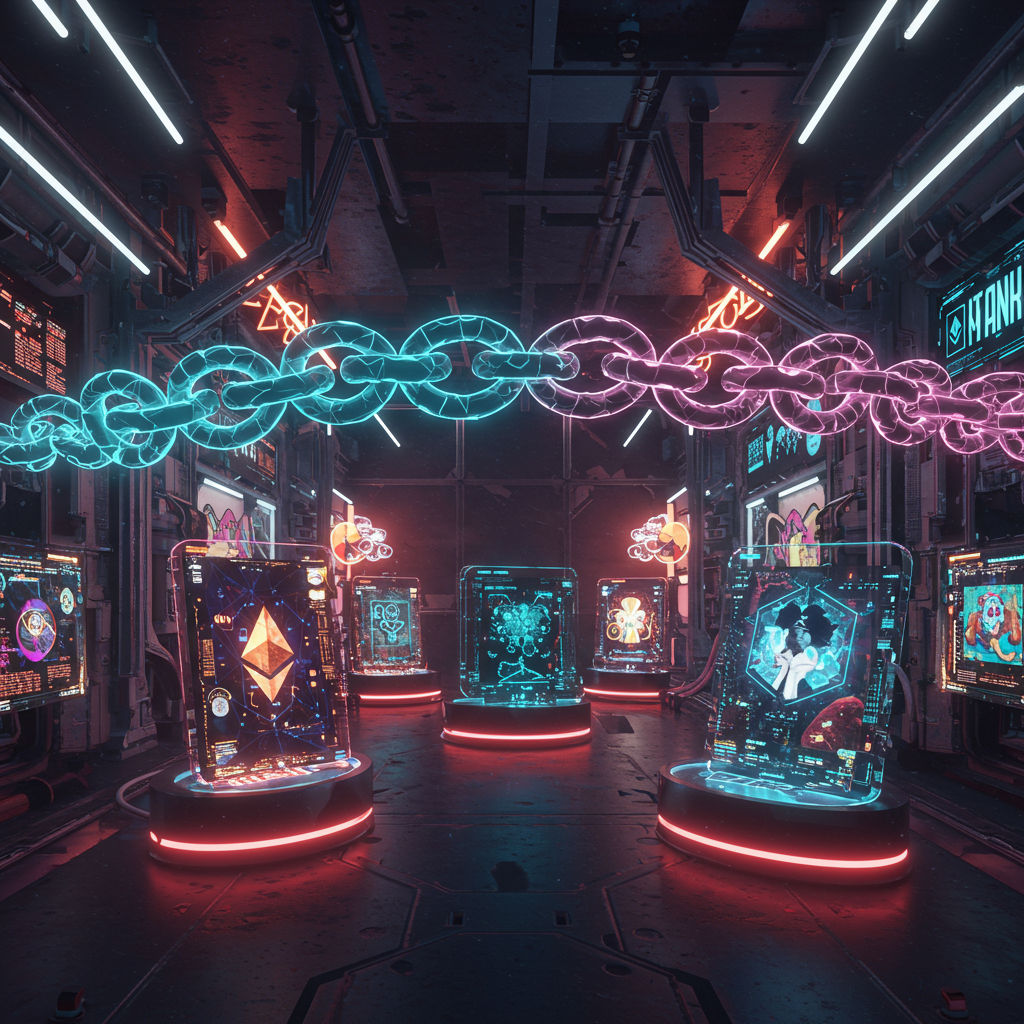
Cross-chain NFT marketing expands reach by leveraging multiple blockchains, attracting diverse collector bases, reducing platform risk, and enhancing discoverability. Success relies on evaluating viability, bridging contracts, tailoring messages per chain, engaging communities, optimizing SEO, and tracking chain-specific performance metrics.
As the NFT ecosystem matures, limiting your campaign to one blockchain can restrict exposure, collector diversity, and sales potential. Enter cross-chain NFT marketing—an approach that leverages multiple blockchain networks to amplify reach, reduce dependency on a single platform, and tap into unique collector communities.
Why Cross-Chain NFT Marketing Matters
- Diverse Collector Bases: Different blockchains attract different demographics. Ethereum may host blue-chip art collectors, while Solana users often seek affordable, fast-minting projects. Multi-chain strategies let you tap into both. Learn more about NFT Email Marketing.
- Reduced Platform Risk: Relying on one network exposes you to high gas fees, congestion, or governance changes. Cross-chain distribution spreads that risk.
- Enhanced Discoverability: Listing on several marketplaces—OpenSea (Ethereum), Magic Eden (Solana), or BeyondNFT (Polygon)—boosts SEO and social visibility across niche channels.
- Community Synergy: Engaging with multiple on-chain communities opens partnerships, co-marketing opportunities, and cross-pollination of collectors.
Step 1: Evaluate Your Project’s Cross-Chain Viability
Not every NFT project is suited for cross-chain deployment. Before expanding to multiple blockchains, conduct a thorough evaluation to ensure your strategy is feasible, cost-effective, and aligned with your audience. Consider the following aspects in detail:
1. Smart Contract Portability:
-
Verify whether your current minting contract supports bridge integrations or multi-chain deployment.
-
Ensure it maintains feature parity across chains, including royalties, metadata linking, and transfer hooks.
-
Test contract interactions on testnets before live deployment to prevent errors that could impact collector trust.
2. Art and Metadata Standards:
-
Confirm that your metadata format (e.g., ERC-721, ERC-1155, SPL) is compatible with the target blockchains.
-
Maintain consistency of tokenURIs across chains using immutable storage solutions like IPFS or Arweave.
-
Check that visuals, animations, or interactive features render correctly on wallets and marketplaces across all networks.
3. Budget & Resources:
-
Evaluate gas fees, bridging costs, and marketplace listing fees for each blockchain.
-
Allocate resources for marketing, cross-chain community management, and technical support.
-
Consider whether additional features (staking rewards, cross-chain perks) can fit within your budget without compromising ROI.
4. Audience Fit:
-
Research collector demographics and behavior on each target blockchain. Ethereum might attract high-value art collectors, Solana users often prefer low-cost, fast-minting NFTs, and Polygon/Avalanche communities may prioritize eco-friendliness and scalability.
-
Identify whether your NFT theme, pricing, and utility align with these audiences.
-
Engage with communities through Discord, Telegram, or social media to gauge interest before committing resources.
By carefully assessing these factors, you can determine which blockchains are viable for your NFT project, minimize deployment risks, and ensure that your cross-chain strategy effectively reaches the right collectors.
Step 2: Bridge and Mint on Multiple Chains
After evaluating your project’s cross-chain viability, the next step is to establish workflows for deploying, bridging, and minting NFTs across multiple blockchains. This step ensures collectors can access your NFTs seamlessly regardless of the network they prefer.
1. Deploy Contracts:
-
Utilize development frameworks like Hardhat or Truffle to deploy ERC-721 or ERC-1155 smart contracts on each selected chain.
-
Ensure feature parity across all deployments, including:
-
Royalties for secondary sales
-
Transfer hooks or minting restrictions
-
Metadata references and token URI consistency
-
-
Test contracts on the respective testnets (e.g., Rinkeby for Ethereum, Solana Devnet) before mainnet deployment to catch errors early.
-
Confirm compatibility with popular wallets on each chain: MetaMask (Ethereum/Polygon), Phantom (Solana), and others.
2. Bridge Liquidity:
-
Integrate with reliable bridging solutions like Wormhole (Solana), Polygon Bridge, or Avalanche Bridge to enable secondary-market NFT transfers.
-
Test cross-chain transfers to ensure smooth movement of assets between networks, verifying ownership, metadata integrity, and royalties.
-
Communicate to your collectors how bridging works and any associated fees to maintain trust.
-
Optionally, design incentives for early adopters who bridge NFTs, such as exclusive badges or perks.
3. Upload Metadata:
-
Host NFT metadata in centralized immutable storage like IPFS or Arweave to maintain consistency across chains.
-
Ensure all deployed contracts point their tokenURI to the same JSON metadata file to avoid discrepancies in art, attributes, or properties.
-
Include all necessary metadata fields: name, description, image/video links, traits, and attributes relevant to utilities or gamification.
-
Regularly monitor storage health and redundancy to prevent broken links or inaccessible assets.
4. Whitelist & Mint Page Setup:
-
Create chain-specific landing pages to connect collectors’ wallets and guide them through the minting process.
-
Ethereum/Polygon: MetaMask integration
-
Solana: Phantom wallet integration
-
-
Include clear instructions and FAQs for cross-chain users unfamiliar with wallet connections or bridging.
-
Offer cross-chain whitelist perks to incentivize early participation, such as discounted mints, exclusive NFTs, or early access to limited editions.
-
Ensure mint pages are mobile-friendly, visually aligned with your brand, and display real-time minting status to create urgency.
By carefully executing deployment, bridging, metadata management, and mint page setup, you can ensure a smooth multi-chain minting experience for collectors, maintain consistency across platforms, and maximize engagement in each target blockchain community.
Step 3: Tailor Marketing Messages per Chain

Once your NFTs are bridged and minted across multiple chains, the next critical step is crafting marketing messages that resonate with each blockchain’s unique audience. A single, generic announcement rarely appeals equally across Ethereum, Solana, Polygon, and Avalanche communities. Customized messaging increases engagement, collector trust, and sales potential.
1. Ethereum – Prestige & Blue-Chip Appeal:
-
Audience Profile: Ethereum attracts collectors seeking high-value, established projects and long-term investment potential. Many Ethereum users are experienced in the NFT ecosystem and value rarity, brand partnerships, and strong community governance.
-
Messaging Focus:
-
Emphasize prestige, rarity, and long-term value of your NFT drops.
-
Highlight collaborations with renowned artists, brands, or institutions.
-
Mention royalties, staking options, or governance features that provide ongoing value.
-
Use terms like “blue-chip,” “limited edition,” or “exclusive access” to align with collector expectations.
-
2. Solana – Speed, Affordability, & Meme Culture:
-
Audience Profile: Solana users prioritize low transaction fees, fast minting, and social/viral appeal. They are often younger, trend-savvy, and engage heavily in meme-inspired or community-driven projects.
-
Messaging Focus:
-
Emphasize quick minting process, low fees, and immediate ownership benefits.
-
Highlight community-driven initiatives, contests, or interactive experiences.
-
Incorporate fun, meme-friendly, or playful copy to resonate with Solana’s culture.
-
Offer limited-time drops or rewards for early participation to create urgency.
-
3. Polygon & Avalanche – Eco-Friendly & Scalable:
-
Audience Profile: Collectors on Polygon and Avalanche often care about environmental impact, fast transactions, and DeFi integration. They may prefer NFTs with utility in games, staking, or eco-conscious projects.
-
Messaging Focus:
-
Stress eco-friendly credentials, lower energy consumption, and sustainable minting.
-
Highlight scalability, fast confirmations, and minimal gas costs.
-
Emphasize DeFi or gamified utilities, including staking, yield generation, or NFT interoperability.
-
Use terms like “green minting,” “layer-2 efficiency,” and “utility-enabled collectibles” to appeal to this audience.
-
4. General Tips for Cross-Chain Messaging:
-
Segment your communication: Tailor emails, social posts, and community updates per chain to maximize relevance.
-
Use chain-specific visuals: Adapt banners, graphics, and memes to match each blockchain’s culture and aesthetics.
-
Highlight unique perks: Different chains may offer exclusive mint incentives, bridging rewards, or community badges.
-
Leverage influencers & communities: Partner with chain-specific thought leaders or meme creators to amplify your messaging.
By aligning your marketing content with the values, culture, and expectations of each blockchain community, you increase collector engagement, drive cross-chain participation, and strengthen your NFT project’s credibility and appeal.
Step 4: Engage Communities with Cross-Chain Events
Drive excitement by hosting chain-specific and cross-chain events:
- AMAs & Panel Talks: Partner with popular community leaders on each chain. Discuss your project’s unique cross-chain tech, roadmaps, and utilities.
- Cross-Chain Mint Days: Stagger mint windows on different chains to maintain momentum. Reward early adopters with multi-chain badges.
- Bridge-To-Win Campaigns: Offer giveaways for collectors who bridge NFTs from one chain to another. Use smart contracts to verify completed bridges.
- Multi-Chain Art Battles: Host competitions where artists create chain-themed variants. Community votes across Discord and Telegram channels.
Step 5: Optimize Cross-Chain SEO and Content Marketing
Visibility is crucial for multi-chain NFT campaigns. Without proper SEO and content marketing, your NFTs may remain unseen by collectors on different networks. Focus on chain-specific optimization and high-value content to increase discoverability and engagement.
1. Dedicated Landing Pages
-
Create separate pages for each blockchain:
/ethereum,/solana,/polygon, etc. -
Optimize with chain-specific long-tail keywords like “Solana NFT art drop” or “Ethereum blue-chip NFT collection.”
-
Include mint instructions, wallet compatibility, and cross-chain bridging tips to reduce friction for collectors.
-
Ensure metadata, schema markup, and social sharing tags are tailored per page to improve search engine results.
2. Blog Series & Tutorials
-
Produce content focused on bridging NFTs, wallet setup, chain comparisons, and minting guides.
-
Highlight your project’s cross-chain advantages, community events, and collector success stories.
-
Use a mix of educational, SEO-friendly, and storytelling formats to engage different audience segments.
3. Backlink Campaigns
-
Guest post on high-authority crypto blogs, NFT news platforms, and blockchain review sites.
-
Emphasize multi-chain innovation, environmental sustainability, and cross-chain utilities.
-
Strong backlinks improve SEO, drive organic traffic, and enhance credibility across blockchain communities.
4. Social Snippets & Micro-Content
-
Share short, engaging content on Twitter, Threads, LinkedIn, and Discord:
-
Collectors bridging NFTs
-
Behind-the-scenes dev updates
-
User testimonials and art highlights
-
-
Use hashtags and chain-specific mentions to increase reach in niche collector communities.
Step 6: Leverage Influencers & Partners Across Chains
Influencer marketing in NFTs is chain-sensitive; the audience type differs per blockchain. Identify and partner with creators who resonate with each community to maximize engagement.
1. Ethereum Thought Leaders
-
Focus on established collectors, gallery curators, and NFT analysts.
-
Promote exclusivity, blue-chip appeal, and investment potential.
2. Solana Meme Stars
-
Collaborate with viral meme creators and social-native NFT influencers.
-
Emphasize fun, fast mints, and community engagement.
3. Polygon / Eco-Conscious Influencers
-
Highlight sustainability, low energy minting, and utility-focused NFTs.
-
Partner with eco-friendly NFT projects and gaming integrations.
4. Cross-Chain Alliances
-
Co-host Twitter Spaces, AMAs, and Discord takeovers with other cross-chain projects.
-
Foster community cross-pollination and collaborative growth.
Step 7: Track Cross-Chain Performance Metrics
Continuous monitoring ensures campaigns are ROI-positive and data-driven. Focus on metrics that reveal collector behavior, engagement, and profitability across chains.
1. Chain-Specific Sales Volume
-
Compare primary mint and secondary market sales per network.
-
Identify which chains generate the highest revenue or engagement.
2. Gas Fee Efficiency
-
Track average gas costs per mint.
-
Optimize contract code, batch minting schedules, or chain choice for cost-efficiency.
3. Bridge Activity
-
Count successful cross-chain transfers.
-
Gauge interest in cross-chain swapping and collector mobility.
4. Community Growth & Engagement
-
Measure new Discord, Telegram, and Twitter followers per chain.
-
Track likes, retweets, replies, and event participation to identify high-performing channels.
5. Conversion & ROI Analysis
-
Assess mint-to-sale conversion rates, cross-chain adoption, and revenue per collector segment.
-
Adjust marketing strategies and budget allocation based on insights.
Case Study: Multi-Chain Success in Action

Consider “Astral Beings,” a generative art collection launched on Ethereum, then ported to Polygon for eco-friendly mints. By offering a 50% mint discount on Polygon and exclusive staking rewards, they achieved:
- 20% of total sales volume on Polygon within the first week
- 15% uplift in organic traffic from Polygon-focused social posts
- Cross-chain bridge transfers accounting for 8% of secondary market activity
Conclusion
Cross-chain NFT marketing isn’t just a buzzword—it’s a growth lever. By thoughtfully deploying contracts on multiple networks, tailoring your messaging, engaging diverse communities, and tracking chain-specific metrics, you’ll unlock new buyer segments and mitigate single-chain risks. Start small: select one additional blockchain, pilot your campaign, and refine before scaling further. The future of NFTs is multi-chain—make sure your next drop is too.
Ready to launch your cross-chain NFT campaign? Share your questions or success stories in the comments below!
FAQ – Cross-Chain NFT Marketing
Q1: What is cross-chain NFT marketing?
A: It’s a strategy that promotes NFTs across multiple blockchains to reach diverse collector communities, reduce reliance on a single platform, and increase sales opportunities.
Q2: Why should I market NFTs on multiple blockchains?
A: Multi-chain marketing boosts discoverability, attracts different collector demographics, mitigates platform risks, and opens opportunities for cross-community collaborations.
Q3: How do I know if my NFT project is suitable for cross-chain deployment?
A: Assess smart contract portability, metadata compatibility (ERC-721, ERC-1155, SPL), budget for gas and bridging fees, and whether your target audiences exist on the selected blockchains.
Q4: What are the best practices for marketing per blockchain?
A: Tailor campaigns to each chain: Ethereum for prestige, Solana for low fees and fast minting, Polygon/Avalanche for eco-friendly and scalable solutions. Engage communities through AMAs, mint days, and cross-chain events.
Q5: How do I track cross-chain marketing performance?
A: Monitor chain-specific sales, gas efficiency, bridge activity, community growth, and engagement rates across social media and marketplaces to optimize campaigns and identify high-performing chains.
Q6: Can cross-chain NFT marketing improve long-term project growth?
A: Yes, by diversifying collector bases, increasing visibility across marketplaces, fostering community engagement, and reducing dependency on a single blockchain, cross-chain marketing strengthens sustainability and revenue potential.