Hyper-Personalized NFT Marketing: Harnessing Generative AI for Deeper Audience Engagement
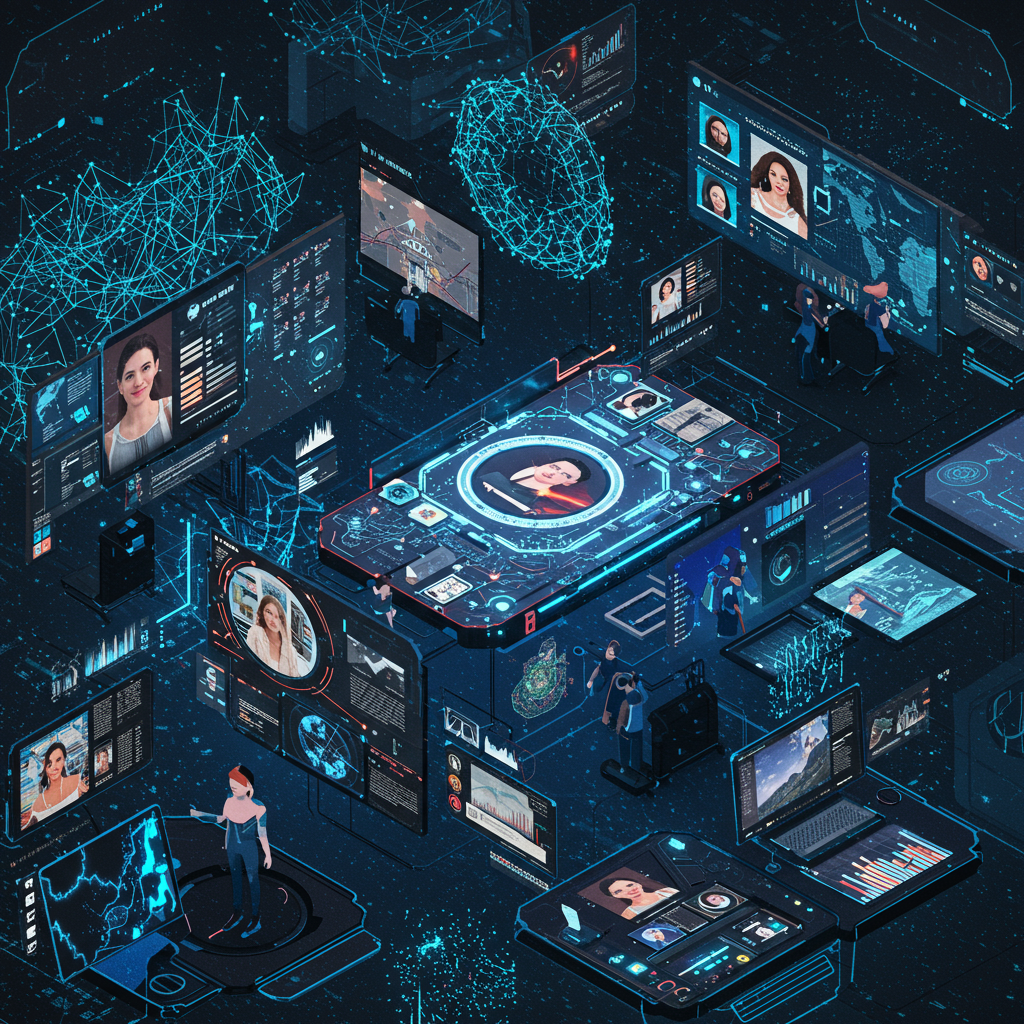
Hyper-personalized NFT marketing uses generative AI and real-time data to deliver tailored messages, visuals, and offers to each collector. By leveraging segmentation, automation, and continuous optimization, NFT projects can boost engagement, drive higher conversions, and build long-term community loyalty through unique, data-driven user experiences.
In an increasingly crowded NFT space, standing out requires more than stunning artwork or a celebrity endorsement. Today’s collectors expect experiences tailored to their tastes, behaviors, and past interactions. Generative AI opens the door to hyper-personalized marketing campaigns that speak directly to individual users, boosting engagement, conversion rates, and long-term loyalty.
Why Hyper-Personalization Matters in NFT Marketing
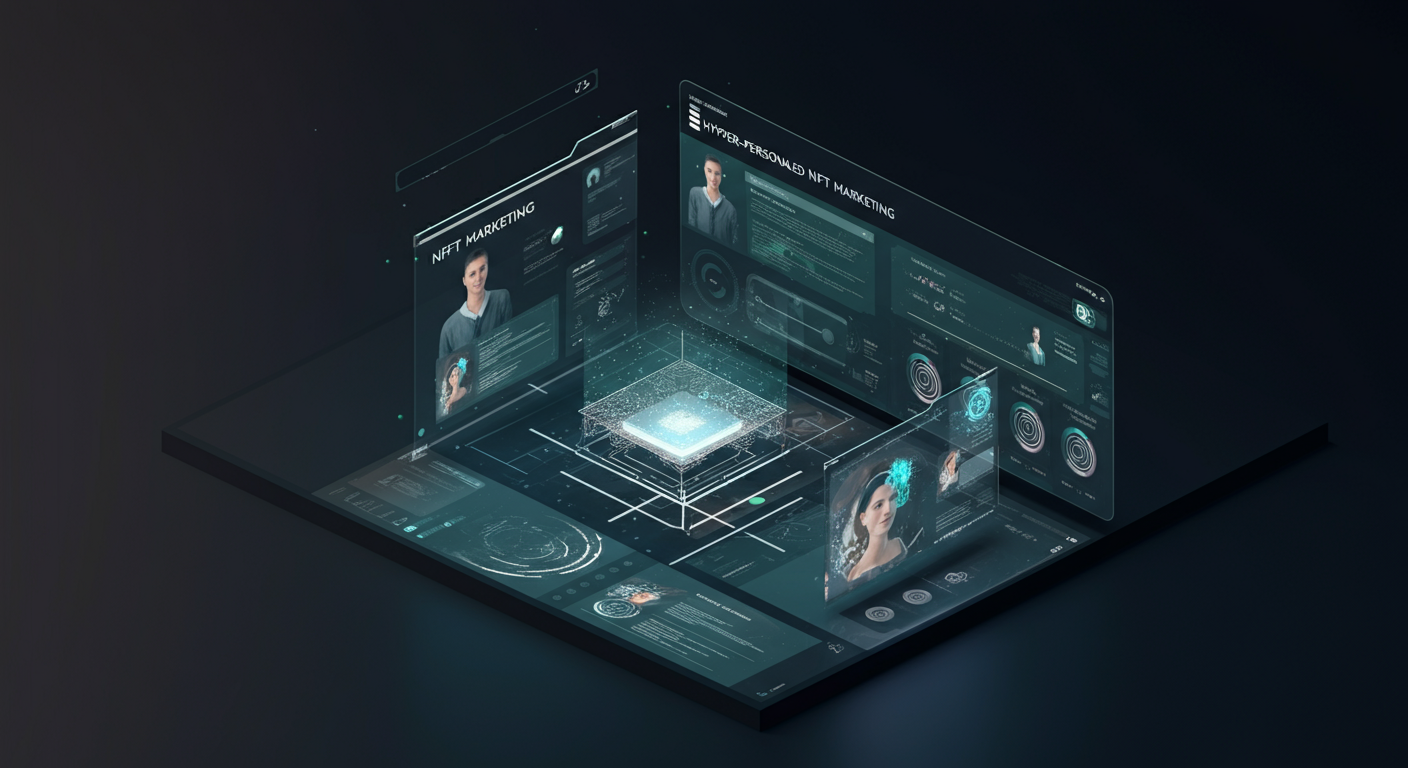
Hyper-personalization uses advanced machine learning algorithms to deliver highly tailored messages, offers, and creative assets to individual users. Unlike basic personalization—such as inserting a recipient’s name—hyper-personalization leverages real-time data and generative models to craft unique experiences at scale. For NFT projects, the benefits include:
- Higher Conversion Rates: Personalized recommendations and dynamic offers match collector interests, driving more sales.
- Deeper Engagement: Customized narratives, visuals, and incentives resonate with users on an emotional level.
- Enhanced Community Loyalty: Unique, value-added experiences foster a sense of belonging and long-term retention.
- Efficient Resource Allocation: Targeted campaigns focus budget on high-potential segments rather than broad, undifferentiated outreach.
Core Components of a Generative AI-Powered Campaign
Implementing hyper-personalization for your NFT launch involves several key stages. Each stage leverages AI models, data pipelines, and automation tools to generate, test, and optimize personalized assets and messages. Learn more about Harnessing NFT Airdrops: .
1. Data Collection & Integration
Collect behavioral, demographic, and transactional data from on-chain and off-chain sources. Examples include:
- Wallet Activity: Track past NFT purchases, holdings, and marketplace bids.
- Social Engagement: Monitor Discord roles, Twitter interactions, and community forum posts.
- Website Behavior: Analyze page visits, time spent, and click paths on your project site.
- Email & CRM Data: Gather subscription history, open rates, and past campaign interactions.
Use an ETL (extract, transform, load) pipeline to consolidate these data sources into a unified customer data platform (CDP). Ensure you comply with data privacy regulations like GDPR and CCPA.
2. Audience Segmentation with Machine Learning
Once your data is centralized, apply unsupervised learning algorithms—such as k-means clustering or hierarchical clustering—to identify distinct audience segments. This step ensures that marketing efforts are precisely targeted based on patterns in user behavior, engagement, and purchase history.
-
Consider segments like:
-
Art Enthusiasts: Frequent bidders on art-based NFTs, high social engagement in creative channels. These users often appreciate aesthetic quality and are likely to engage with unique or experimental NFT artwork.
-
Speculators: Users with high-frequency trading patterns and opportunistic bid behavior. They respond to market trends, limited-time offers, and high-demand NFT drops.
-
Collectors: Long-term holders who appreciate rarity, provenance, and 1-of-1 pieces. This group values exclusivity, historical significance, and curated collections.
-
Community Builders: Active Discord moderators, podcast guests, or virtual event hosts. They drive engagement within the community and influence peer behavior through social authority.
-
-
Label each segment with behavioral insights:
-
For instance, “High-Spend Art Collector” or “Discord Community Leader.” These labels are crucial for tailoring communication, creative content, and campaign strategies.
-
Use these labels to map personalized offers, AI-generated content, and engagement strategies specific to each audience segment.
-
-
Extended considerations:
-
Track engagement trends over time to refine segment definitions.
-
Incorporate additional dimensions like geographic location, platform preference, or NFT category affinity.
-
Continuously update segmentation as new user data streams in, ensuring your campaign remains aligned with evolving behaviors and preferences.
-
3. Generative AI for Content Creation
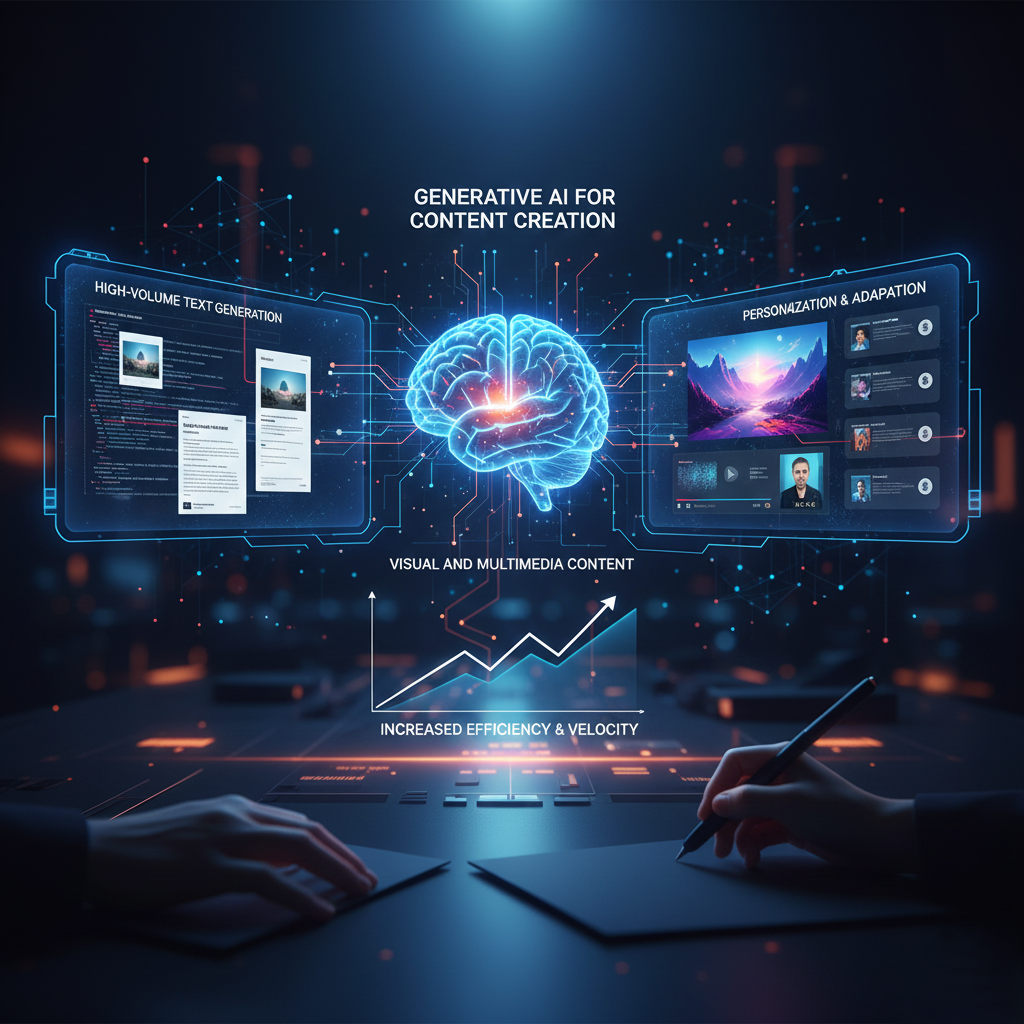
With segments defined, deploy generative AI models to craft personalized marketing assets. Here’s how you can leverage different AI capabilities:
-
- Text Generation: Use large language models (LLMs) to write customized email copy, social media posts, and in-app chat messages. Prompt examples:
“Generate a 150-word email intro for a segment of high-spend art collectors, highlighting the exclusive preview of our 1/1 generative art NFT.”
- Image Synthesis: Use diffusion models to create bespoke visuals that incorporate segment-specific motifs—e.g., adding gold accents for high-end collectors or pixel-art styles for gaming enthusiasts.
- Video & Animation: Leverage generative video platforms to produce short, dynamic NFT teasers. Tailor the narrative tone based on segment preferences—luxurious, edgy, or playful.
- Voice Synthesis: Generate personalized audio messages or podcast snippets addressing collectors by name and referencing their past interactions.
4. Omnichannel Distribution & Automation
Deploy your personalized assets across multiple channels through an automated marketing stack:
-
Deploy Personalized Assets Across Multiple Channels:
-
Ensure consistent messaging and tailored content for each audience segment.
-
Automate distribution workflows to reach users at optimal times.
-
-
Email Platforms:
-
Integrate with tools like SendGrid or Mailchimp.
-
Use dynamic content insertion to personalize email copy, images, and CTAs for each segment.
-
Optimize sending times based on user time zones to improve open and click-through rates.
-
-
CRM & Chatbots:
-
Implement AI chatbots (e.g., Intercom with GPT) to greet website visitors in real time.
-
Deliver personalized recommendations, NFT previews, or exclusive offers based on user behavior.
-
Track chatbot interactions to feed insights back into audience segmentation and content personalization.
-
-
Social Media APIs:
-
Schedule segmented posts on platforms like Twitter, Instagram, and emerging Web3 social channels.
-
Tailor captions, visuals, and hashtags for each audience segment to maximize engagement.
-
Use analytics to track social performance per segment and refine content strategy.
-
-
On-Chain Messaging:
-
Utilize blockchain-based messaging dApps or NFT wallet notifications.
-
Alert holders about exclusive NFT drops, airdrops, or special events.
-
Ensure messages are personalized based on on-chain activity (e.g., ownership history, engagement level).
-
-
Automation Benefits:
-
Reduces manual effort while maintaining personalized experiences.
-
Ensures timely and consistent delivery across multiple channels.
-
Provides data and insights to continuously optimize campaigns.
-
Measuring Success & Continuous Optimization
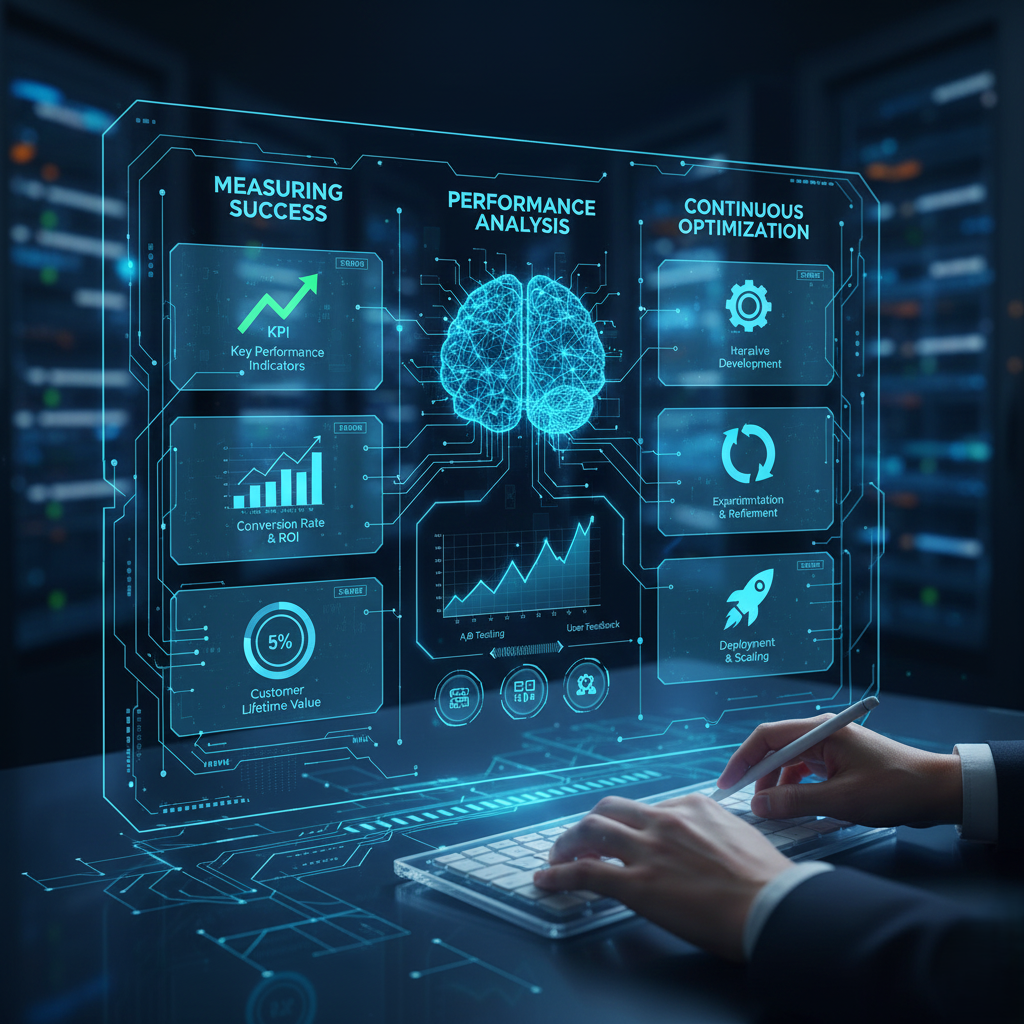
Hyper-personalization is an iterative process. To ensure your campaign delivers results, establish clear KPIs and feedback loops:
-
Establish Clear KPIs:
-
Define key performance indicators aligned with your campaign objectives.
-
Focus on segment-level metrics to evaluate hyper-personalization effectiveness.
-
-
Engagement Metrics:
-
Track email open rates and click-through rates for each audience segment.
-
Measure website engagement, including time on page and page scroll depth.
-
Monitor social shares, likes, and comments on targeted posts for each segment.
-
-
Conversion Metrics:
-
Track NFT minting or purchase rates by segment.
-
Analyze average order value and total sales per segment.
-
Monitor secondary market activity, including resales and trading frequency.
-
-
Retention Metrics:
-
Measure repeat purchase frequency and collector loyalty over time.
-
Track community participation, such as Discord activity or event attendance.
-
Monitor referral rates to assess advocacy and organic growth.
-
-
Model Performance & Optimization:
-
Conduct A/B testing on generative AI prompts, content variants, and segment definitions.
-
Evaluate which personalized assets yield the highest engagement and conversions.
-
Refine AI models and prompts continuously based on performance data.
-
-
Real-Time Monitoring:
-
Use a marketing analytics dashboard to visualize segment-level performance in real time.
-
Apply reinforcement learning techniques or automated ML pipelines to adjust segment definitions dynamically.
-
Continuously iterate campaigns based on live data to maximize effectiveness and ROI.
-
Use a marketing analytics dashboard to track segment-level performance in real time. Apply reinforcement learning techniques or automated ML pipelines to adjust segment definitions and creative prompts based on live data.
Step-by-Step Implementation Checklist
-
Set Up Data Infrastructure:
-
Integrate on-chain APIs to track wallet activity, NFT holdings, and marketplace bids.
-
Incorporate social listening tools to monitor Discord, Twitter, and other community engagement.
-
Connect your CRM to centralize subscription history, campaign interactions, and user profiles into a unified Customer Data Platform (CDP).
-
-
Define Segments:
-
Run clustering algorithms such as k-means or hierarchical clustering on your consolidated dataset.
-
Identify high-value audience segments like Art Enthusiasts, Speculators, Collectors, and Community Builders.
-
Label each segment with behavioral insights—for example, “High-Spend Art Collector” or “Discord Community Leader.”
-
-
Craft AI Prompts:
-
Develop clear, segment-specific prompts for text generation (emails, social posts, chat messages).
-
Design prompts for image synthesis to create bespoke visuals that match segment preferences.
-
Configure prompts for video and animation generation to produce dynamic, personalized NFT teasers.
-
-
Automate Distribution:
-
Connect generative AI outputs to your email platforms for dynamic content insertion and optimized delivery.
-
Integrate AI chatbots to provide real-time, personalized recommendations on your website.
-
Schedule segmented social media posts using platform APIs, including Web3 social channels.
-
Implement on-chain messaging for NFT holders to notify them of exclusive drops, airdrops, or events.
-
-
Monitor & Optimize:
-
Track KPIs such as open rates, click-through rates, conversion rates, and community engagement metrics.
-
Conduct A/B tests on messaging, visuals, and segment-specific campaigns to determine the most effective strategies.
-
Retrain AI models or adjust prompts monthly based on performance data and emerging insights.
-
Conclusion
Hyper-personalized NFT marketing powered by generative AI transforms how projects engage collectors—delivering bespoke experiences that resonate on a personal level. By integrating comprehensive data collection, advanced segmentation, and automated content generation, you can unlock higher engagement, stronger community loyalty, and increased sales. Start small with a pilot segment, measure impact, and scale your approach across the entire collector base. The future of NFT promotion is personalized, dynamic, and AI-driven—embrace it now to stay ahead of the curve.
Ready to launch your own AI-powered personalized NFT campaign? Subscribe to our newsletter for tool recommendations, prompt templates, and case studies from leading Web3 projects.
FAQ for Hyper-Personalized NFT Marketing
1. What is hyper-personalization in NFT marketing?
Hyper-personalization uses real-time data and AI to create tailored messages, visuals, and offers for each collector. It goes beyond simple personalization by generating unique experiences at scale.
2. Why is hyper-personalization important for NFT projects?
It boosts conversion rates, increases engagement, strengthens community loyalty, and ensures marketing budgets are used more efficiently by targeting high-value groups.
3. What data is used for personalized NFT campaigns?
Data may include wallet activity, website behavior, social engagement, and email/CRM records—both on-chain and off-chain.
4. How does AI help in creating personalized content?
AI generates custom text, visuals, videos, and audio tailored to specific audience segments, ensuring each user receives content that resonates with their interests.
5. What tools are needed to run a hyper-personalized campaign?
A customer data platform (CDP), ETL pipeline, generative AI tools (LLMs, diffusion models), marketing automation tools, and analytics dashboards.
6. Which audience segments benefit the most?
Segments like Art Enthusiasts, High-Spend Collectors, Speculators, and Community Builders respond strongly to personalized messaging.
7. Can hyper-personalization be automated?
Yes. Once your data and AI systems are set up, automated workflows can deliver personalized emails, social posts, chatbot messages, and on-chain notifications.
8. How do you measure success?
Track engagement (opens, clicks), conversions (mints, sales), retention (repeat participation), and model performance through A/B testing.
9. Is personalization compliant with privacy laws?
Yes—if you follow regulations like GDPR and CCPA, securely process data, and provide clear user consent options.
10. How should an NFT project start with hyper-personalization?
Begin with a pilot segment, generate tailored content, test performance, and scale your approach gradually.