
NFTs in Digital Marketing: A Complete Guide

NFT marketing empowers brands to create exclusive experiences, build loyal communities, and unlock new revenue streams through digital ownership. By combining scarcity, utility, and blockchain transparency, NFTs transform traditional marketing into immersive, value-driven engagement strategies that strengthen long-term customer relationships.
Non-Fungible Tokens (NFTs) have evolved far beyond expensive digital art collections. What started as a niche cryptocurrency phenomenon has transformed into a powerful tool that savvy marketers are using to build communities, create exclusive experiences, and generate brand loyalty.
If you’ve been watching from the sidelines, wondering whether NFTs have a place in your digital marketing strategy, you’re not alone. Many businesses are still figuring out how to leverage this technology effectively. The good news is that NFTs offer unique opportunities for engagement that traditional marketing channels simply can’t match.
What Are NFTs and Why Do They Matter for Marketing?

NFTs are unique digital assets that exist on blockchain networks. Unlike cryptocurrencies such as Bitcoin, which are fungible (meaning each unit is identical and interchangeable), NFTs are one-of-a-kind digital certificates of ownership.
For marketers, NFTs represent something much more valuable than their technical specifications suggest. They’re a way to create scarcity, exclusivity, and genuine ownership in the digital realm. When someone owns your brand’s NFT, they’re not just holding a digital file—they’re part of an exclusive club with verifiable membership. Learn more about NFTs in Digital Marketing.
The marketing power of NFTs lies in their ability to:
Create genuine scarcity: Unlike traditional digital content that can be copied infinitely, NFTs have built-in rarity
Build community: NFT holders often form tight-knit communities around shared ownership
Enable new revenue streams: Brands can earn royalties on secondary sales
Provide utility beyond ownership: NFTs can serve as keys to exclusive content, events, or experiences
Understanding Your Audience in the NFT Space
Before diving into NFT marketing, you need to understand who’s actually engaging with this technology. The NFT audience isn’t just crypto enthusiasts anymore—it’s expanded to include collectors, gamers, art lovers, and early technology adopters across various demographics.
Research your existing customer base to identify segments that might be interested in NFT experiences. Look for customers who engage heavily with your brand on social media, participate in loyalty programs, or show interest in exclusive products or experiences.
Consider conducting surveys or focus groups to gauge interest levels. You might discover that a portion of your audience is already familiar with NFTs and excited about the possibility of your brand entering the space.
Building Brand Awareness Through NFT Campaigns
NFTs can serve as powerful brand awareness tools when executed thoughtfully. The key is creating NFTs that genuinely represent your brand values and provide real value to holders.
Limited Edition Digital Collectibles
Create NFT collections that tell your brand story or celebrate important milestones. A fashion brand might release NFTs featuring limited-edition designs, while a sports team could offer NFTs commemorating championship victories.
Collaborative Art Projects
Partner with digital artists to create NFTs that blend their creative vision with your brand identity. This approach can help you tap into the artist’s existing fanbase while creating something truly unique.
Utility-Driven NFTs
Design NFTs that provide ongoing value beyond ownership. These might include access to exclusive content, early product releases, or special customer service channels.
Community Building Strategies Using NFTs
One of NFTs’ greatest strengths in marketing is their ability to create and nurture communities. When people own your brand’s NFTs, they become stakeholders with a vested interest in your success.
Exclusive Access and Experiences
Use NFT ownership as a gateway to exclusive experiences. This could include virtual events, early access to products, or special discounts. The key is making the benefits meaningful enough that people want to hold onto their NFTs rather than immediately selling them.
Community Governance
Consider giving NFT holders a voice in certain business decisions. This might include voting on new product designs, choosing charity partnerships, or selecting content for your social media channels.
Social Recognition
Create ways for NFT holders to showcase their status. This could include special badges on your website, exclusive social media groups, or recognition at events.
Driving Sales and Customer Loyalty

NFTs can directly impact your bottom line through increased sales and improved customer retention. The key is integrating NFTs into your broader customer journey rather than treating them as standalone products.
Loyalty Program Enhancement
Transform traditional loyalty points into NFTs that customers can trade, gift, or hold for increasing benefits. This approach makes loyalty programs more engaging and gives customers true ownership of their rewards.
Product Authentication
Use NFTs as digital certificates of authenticity for physical products. This approach works particularly well for luxury goods, limited editions, or handcrafted items.
Gamified Shopping Experiences
Create NFT-based games or challenges that encourage repeat purchases. Customers might collect different NFTs through various interactions with your brand, unlocking special rewards as they complete sets.
Technical Considerations for NFT Marketing
Implementing NFT marketing campaigns requires some technical knowledge, but you don’t need to become a blockchain expert overnight. Focus on understanding the basics and partnering with experienced providers when necessary.
Choosing the Right Blockchain
Different blockchains offer various advantages. Ethereum has the largest NFT ecosystem but higher transaction fees. Alternative chains like Polygon or Solana offer lower costs but smaller audiences. Consider your budget and target audience when making this decision.
Minting and Distribution
Decide whether to mint NFTs in advance or on-demand. Pre-minting gives you more control but requires upfront costs. On-demand minting saves money but can create technical challenges during high-demand periods.
Wallet Integration
Make it easy for customers to interact with your NFTs. This might involve integrating wallet connections into your website or providing clear instructions for first-time users.
Measuring Success and ROI
Like any marketing initiative, NFT campaigns need clear metrics and goals. Traditional marketing metrics might not fully capture the value of NFT campaigns, so consider both quantitative and qualitative measures.
Direct Revenue Metrics
Track primary sales revenue, secondary market royalties, and any sales increases correlated with NFT campaigns.
Community Engagement
Monitor social media mentions, community participation rates, and user-generated content related to your NFTs.
Brand Awareness
Measure increases in brand searches, social media followers, and media coverage following NFT launches.
Customer Lifetime Value
Analyze whether NFT holders show increased loyalty, higher purchase frequency, or larger order values compared to other customer segments.
Common Pitfalls to Avoid
Many brands make similar mistakes when entering the NFT space. Learning from these common pitfalls can save you time, money, and reputation damage.
Treating NFTs as Pure Money Grabs
Customers can quickly spot when brands are using NFTs solely to generate revenue without providing real value. Focus on creating meaningful experiences rather than just selling digital assets.
Ignoring Your Existing Community
Don’t alienate your current customer base by suddenly pivoting to NFT-focused marketing. Ensure your NFT strategy complements rather than replaces your existing marketing efforts.
Underestimating Technical Complexity
NFT projects can face significant technical challenges, especially during high-demand periods. Plan for scalability and have backup systems in place.
Looking Ahead: The Future of NFTs in Marketing
The NFT landscape continues to evolve rapidly. Smart contracts are becoming more sophisticated, enabling new types of utility and interaction. Improved user experiences are making NFTs more accessible to mainstream audiences.
As the technology matures, successful NFT marketing will likely focus less on the technology itself and more on the experiences and communities it enables. Brands that master this transition will be well-positioned to leverage NFTs as a long-term marketing tool rather than a short-term trend.
The integration of NFTs with other emerging technologies like augmented reality and virtual reality will create new possibilities for immersive brand experiences. Similarly, the development of more user-friendly interfaces will make NFTs accessible to broader audiences.
Ready to Enter the NFT Marketing Space?
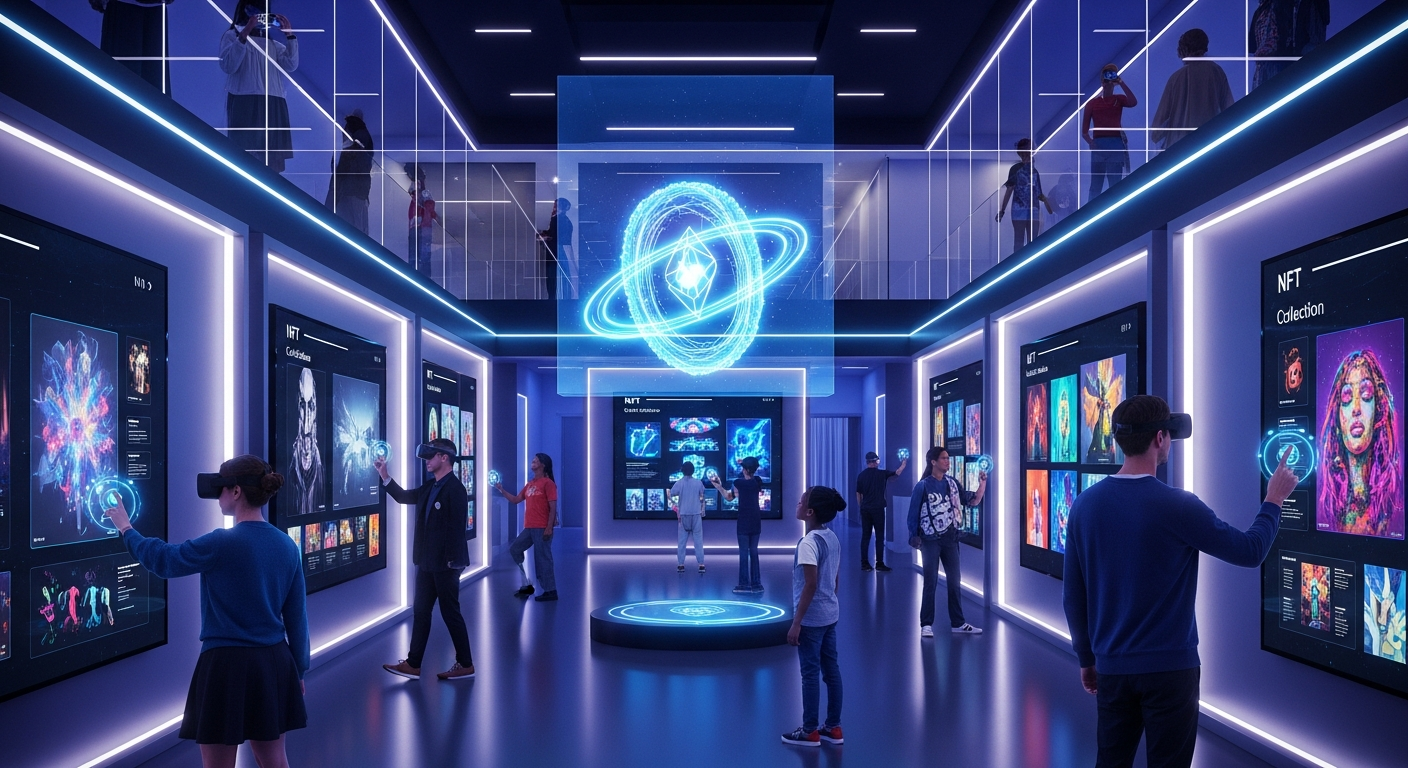
NFTs represent a significant opportunity for brands willing to invest in understanding the technology and their audience’s needs. Success requires careful planning, genuine value creation, and a long-term commitment to community building.
Start small with pilot projects that allow you to learn and iterate. Focus on providing real value to your audience rather than chasing quick profits. Most importantly, ensure your NFT strategy aligns with your broader brand values and marketing objectives.
The brands that succeed with NFT marketing will be those that view them as tools for building deeper relationships with customers rather than just new revenue streams. With thoughtful implementation and genuine commitment to community building, NFTs can become a powerful addition to your digital marketing toolkit.
Conclusion
NFTs have evolved into powerful marketing tools that go far beyond digital collectibles, enabling true ownership, exclusivity, and deeper customer relationships. When implemented strategically, NFTs allow brands to move from transactional interactions to experience-driven engagement, where customers feel personally connected to the brand ecosystem.
Brands that prioritize real value, transparency, and long-term community building—rather than short-term hype—are best positioned to succeed in the NFT space. By offering meaningful utility such as exclusive access, rewards, governance rights, or product enhancements, NFTs become enduring assets rather than novelty items.
When aligned with clear business goals, NFT marketing supports sustainable engagement, recurring revenue through secondary-market royalties, and stronger brand loyalty. In an increasingly digital-first economy, NFTs provide brands with a future-ready framework for trust, differentiation, and customer-centric growth.
Frequently Asked Questions (FAQs)
1. What is NFT marketing?
NFT marketing uses blockchain-based digital assets known as non-fungible tokens to drive brand engagement, customer loyalty, and immersive brand experiences. Instead of relying solely on traditional ads, brands use NFTs to offer ownership, exclusivity, and utility. These digital assets can unlock special access, rewards, content, or communities, creating deeper emotional connections between brands and their audiences.
2. Are NFTs only for crypto audiences?
No, NFTs are no longer limited to crypto-native users. Today, they appeal to mainstream consumers, gamers, collectors, artists, and brand communities. As platforms become more user-friendly, people can engage with NFTs without deep blockchain knowledge. Many brands now introduce NFTs through familiar experiences like loyalty rewards or exclusive content.
3. Do NFTs increase customer loyalty?
Yes, NFTs significantly strengthen customer loyalty by introducing ownership and exclusivity. When customers own a brand’s NFT, they feel personally invested in the brand ecosystem. This sense of belonging encourages repeat engagement, long-term retention, and stronger emotional attachment compared to traditional loyalty programs.
4. Are NFT campaigns expensive?
NFT campaign costs vary depending on blockchain choice, design complexity, and scale. However, modern scalable blockchains such as Polygon and Solana allow brands to run budget-friendly campaigns with low transaction fees. Small businesses and startups can launch NFTs without massive upfront investment.
5. Can NFTs support physical products?
Yes, NFTs can enhance physical products by acting as digital certificates of authenticity, warranty records, or access keys for exclusive benefits. This is especially valuable for luxury goods, limited editions, and collectibles, where proof of authenticity and ownership adds long-term value.
6. Are NFTs secure?
NFTs are highly secure due to blockchain technology, which provides transparent, immutable, and tamper-proof ownership records. Once an NFT is minted, its history and ownership cannot be altered, reducing fraud, duplication, and unauthorized modifications.
7. Do NFTs improve brand awareness?
Yes, NFTs improve brand awareness by generating organic exposure across marketplaces, social platforms, wallets, and digital communities. Each NFT transaction or showcase acts as ongoing brand visibility, often extending reach far beyond traditional campaign timelines.
8. Can small businesses use NFTs?
Absolutely. Small businesses can use NFTs effectively for niche audiences, local communities, or loyalty-based engagement. NFTs allow smaller brands to compete creatively by offering exclusive experiences, memberships, or rewards without needing large advertising budgets.
9. Are NFTs environmentally harmful?
Many early concerns were linked to energy-intensive blockchains. Today, most NFT projects use energy-efficient consensus models such as proof-of-stake, significantly reducing environmental impact. Sustainable blockchain options now make eco-conscious NFT marketing possible.
10. How do customers access NFTs?
Customers access NFTs through digital wallets connected to brand websites or NFT marketplaces. Many platforms now simplify onboarding by allowing email-based wallets or fiat payments, making NFT access easy even for first-time users.
11. Can NFTs be resold?
Yes, most NFTs can be traded or resold on secondary marketplaces. This allows owners to retain value and gives brands the opportunity to earn ongoing royalties through smart contracts whenever NFTs change hands.
12. Are NFTs a long-term strategy?
Yes, NFTs are a long-term strategy when focused on utility, community, and real value rather than short-term hype. Brands that integrate NFTs into loyalty programs, experiences, and ecosystems can build sustainable engagement and future-ready digital assets.