
NFT Airdrops Strategic Community-Building Techniques
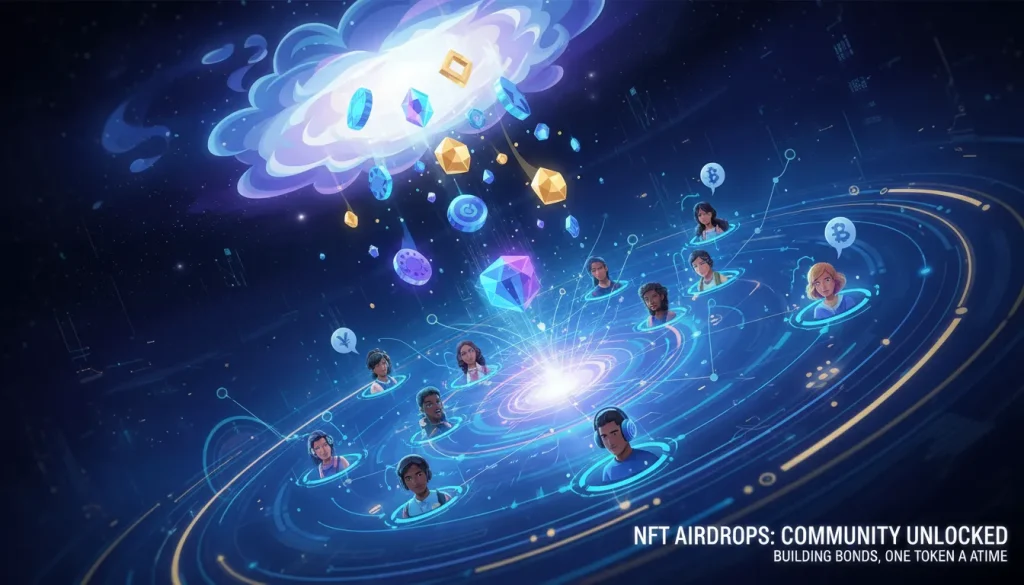
Strategic NFT airdrops transform token recipients into active, engaged communities. By combining retroactive, activity-based, and tiered models with governance, education, and transparency, creators foster loyalty, retention, and sustainable long-term project growth.
In today’s crowded crypto landscape, capturing attention is more challenging than ever. NFT airdrops have emerged as a cornerstone of modern marketing, serving not just as free token distributions but as strategic tools for building engaged communities. When implemented thoughtfully, NFT Airdrops Strategies transform passive recipients into active stakeholders, fostering long-term loyalty, participation, and alignment with project goals. By combining targeted distribution models, governance incentives, and educational components, these strategies help NFT projects stand out, attract committed collectors, and create sustainable ecosystems that extend far beyond initial token drops.
Beyond Simple Giveaways
NFT airdrops involve distributing tokens directly to wallet addresses without immediate financial requirements from recipients. However, viewing airdrops merely as free giveaways misses their profound strategic potential. The most successful distributions represent calculated investments in community development rather than marketing expenses.
Early NFT airdrops often followed simplistic approaches—sending identical tokens to numerous wallets with minimal targeting. While generating temporary excitement, these unfocused distributions frequently failed to produce lasting engagement. Recipients quickly sold free assets, creating downward price pressure without developing meaningful project connections.
Modern airdrops have evolved considerably. Thoughtful creators now design distribution mechanisms, aligning recipient incentives with long-term project success. This evolution transforms airdrops from fleeting promotional tactics into sophisticated community onboarding systems.
Strategic Distribution Models
Several distribution models have emerged, each serving different community-building objectives. Retroactive airdrops reward early supporters, acknowledging past contributions through token distributions to wallets showing specific historical behaviours. This approach strengthens existing community bonds while acknowledging loyal participants.
For instance, when SuperRare launched its governance token, it rewarded early marketplace users with significant allocations, transforming its existing user base into project stakeholders. This retroactive acknowledgement reinforced community loyalty while establishing governance participation.
Activity-based airdrops require recipients to complete specific actions demonstrating genuine project interest. These tasks might include participation in governance discussions, creation of derivative artwork, sharing educational content, or modest financial commitments proving more than speculative interest.
Tiered distribution models segment communities into different involvement levels, with allocation sizes reflecting engagement depth. This approach creates developmental pathways for community members, encouraging progressively deeper project participation to access greater benefits.
At NFTMarketo, we’ve observed that combining these approaches often yields the most robust community development outcomes, creating multidimensional engagement opportunities appealing to diverse participant motivations.
Engagement Mechanisms
Effective airdrops incorporate carefully designed engagement mechanisms extending beyond initial distribution. Time-locked benefits prevent immediate selling while encouraging recipients to understand project value. Similarly, progressive unlocking schedules reward sustained participation rather than opportunistic claiming.
Governance rights attached to airdropped tokens transform recipients into active project participants with decision-making stakes. When recipients can influence project direction, their relationship fundamentally shifts from passive holder to engaged community member.
Social coordination elements encourage recipients to connect with fellow community members, forming relationships that transcend individual token holdings. These social bonds often provide the strongest retention mechanism, creating a community fabric that persists through market volatility.
Future benefit signaling indicates that initial airdrops represent relationship beginnings rather than one-time windfalls. When recipients understand their early participation unlocks future opportunities, short-term profit-taking becomes less appealing than continued engagement.
Implementation Considerations
Technical implementation requires significant planning, often overlooked in airdrop discussions. Smart contract design must account for gas efficiency when distributing to numerous recipients. Batch transfer mechanisms, claim-based distributions, and Merkle tree implementations offer different efficiency and user experience tradeoffs worth careful consideration.
Distribution timing significantly impacts community development outcomes. Market conditions affect recipient psychology—airdrops during bearish periods often attract committed community members seeking project value beyond speculative returns. Conversely, bull market distributions frequently attract profit-focused participants less invested in community development.
Recipient selection criteria fundamentally shape resulting communities. Overly permissive criteria inviting widespread participation may generate impressive claiming statistics but dilute community quality. Conversely, excessively restrictive requirements might exclude valuable community contributors unable to meet arbitrary thresholds.
Communication strategies surrounding airdrops prove equally important as distribution mechanics. Clear eligibility communication, transparent allocation formulas, and explicit purpose articulation set appropriate expectations while attracting aligned participants. Some projects deliberately maintain distribution ambiguity to discourage purely opportunistic participation, though this approach risks community confusion.
Real-World Success Patterns
Examining successful airdrops reveals recurring patterns worth emulating. The most effective distributions maintain a careful balance between accessibility and meaningfulness—tokens should require sufficient effort to obtain genuine interest while remaining accessible enough to welcome newcomers.
Narrative integration significantly impacts community perception. When airdrops connect meaningfully to project narratives rather than appearing as disconnected marketing tactics, recipients develop a stronger affiliation. Storytelling elements explaining how airdrop participants fit within the broader project vision create more compelling engagement than transactional distributions.
Community accountability mechanisms demonstrate recipient-aligned incentives. When projects establish transparent feedback channels, implement suggested improvements, and demonstrate responsiveness to community input, they validate governance mechanisms while building credibility.
Educational components transform token recipients into knowledgeable participants. Projects including informational requirements before claiming or providing comprehensive resources alongside distributions cultivate more informed communities capable of meaningful contributions.
POAP exemplifies this educational approach by creating “Proof of Attendance Protocol” NFTs documenting participation in virtual events, governance votes, and community activities. These non-financial tokens create engagement records that projects can later leverage for targeted airdrops to demonstrably committed community members.
Measuring Effectiveness
Traditional airdrop metrics often focus on claiming percentages, secondary market activity, and immediate social media mentions. While providing some utility, these superficial measurements fail to capture genuine community development outcomes requiring more nuanced evaluation frameworks.
Retention metrics offer deeper insight by measuring continued ownership duration, governance participation rates, and community platform engagement after initial distribution excitement subsides. These longitudinal measurements better reflect community-building success than immediate claiming statistics.
Contribution analysis examines recipient behavioural shifts following distributions. Do recipients merely hold tokens passively, or do they actively contribute through content creation, technical contributions, community moderation, and recruitment efforts? These qualitative assessments, though harder to quantify, often reveal more meaningful community development than transaction metrics.
Social network formation provides another evaluative dimension. Strong communities develop interconnected webs of relationships rather than hub-and-spoke structures centred exclusively on project founders. Analyzing communication patterns, collaboration instances, and relationship development between recipients helps assess community health beyond numerical measurements.
Common Implementation Pitfalls
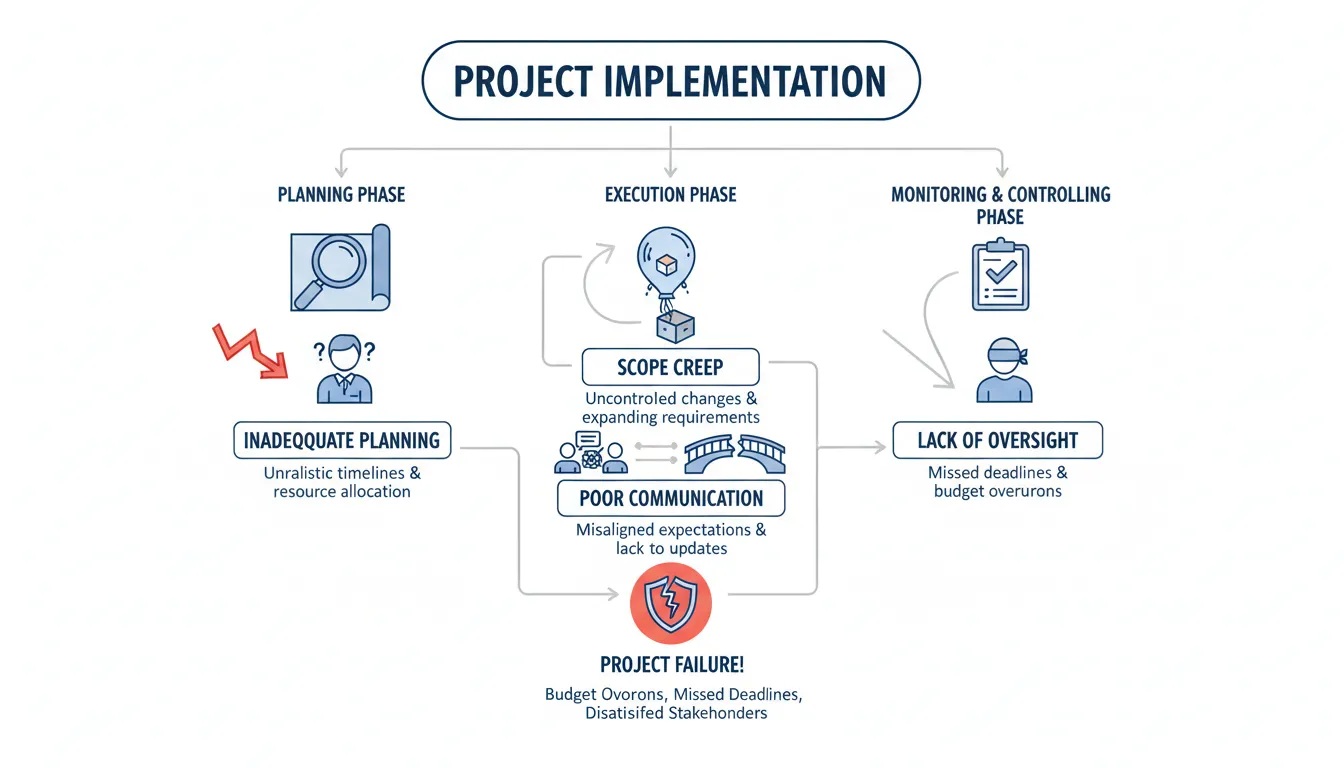
Many projects undermine airdrop effectiveness through avoidable mistakes. Excessive focus on quantity over quality represents perhaps the most common error. Distributing tokens to thousands of unqualified recipients generates impressive statistics but rarely produces meaningful community growth compared to targeted distributions to genuinely interested participants.
Inadequate recipient education frequently results in community members lacking the contextual understanding necessary for meaningful participation. Without clear explanations of token utility, project vision, and participation avenues, recipients default to viewing airdrops as free money rather than community onboarding mechanisms.
Imbalanced tokenomics create unsustainable dynamics undermining long-term community health. When airdrop allocations represent excessive supply percentages, recipient selling creates downward pressure, overshadowing project fundamentals. Conversely, overly restricted distributions may appear tokenistic rather than representing genuine community inclusion.
Misaligned incentives between project founders and recipients doom many distributions from inception. When founders view airdrops primarily as marketing expenses rather than community investments, they structure distributions to maximize short-term attention rather than sustainable engagement, resulting in ephemeral communities.
Future Evolution
Airdrop mechanics continue evolving alongside broader crypto ecosystem developments. Several emerging trends suggest promising future directions. Reputation-based distributions leveraging on-chain activity analysis allow increasingly sophisticated recipient targeting beyond simple wallet history. These mechanisms help identify valuable community contributors across multiple projects, enabling more precise community curation.
Cross-project collaborations enable established communities to introduce members to aligned initiatives through targeted airdrops. These collaborative distributions leverage existing trust within established communities while creating natural expansion pathways between complementary projects.
Progressive involvement systems transform a single airdrop event into extended onboarding journeys. Rather than receiving significant allocations immediately, participants progress through increasingly meaningful contributions and corresponding rewards, creating natural progression paths from curious observers to core contributors.
Governance-weighted systems acknowledge contribution quality rather than mere token quantity. By weighting governance influence according to contribution value rather than financial investment alone, these systems create meritocratic communities valuing demonstrated commitment over financial resources.
Implementation Guidance
Projects considering airdrops should approach distribution design strategically rather than reactively. Beginning with clear community development objectives provides an essential foundation for subsequent design decisions. Different distribution models serve different community objectives—retroactive rewards strengthen existing relationships, while qualification requirements identify commitment levels among potential participants.
Token utility fundamentally shapes recipient behaviour. Airdrops conferring genuine utility through governance rights, access permissions, or functional benefits create stronger retention than purely speculative distributions. Designing tokens with meaningful utility before distribution prevents recipients from viewing them merely as free financial assets.
Technical implementation requires careful consideration of security, efficiency, and user experience factors. Security audits prevent costly distribution errors, while streamlined claiming processes reduce participant friction. Accessibility considerations ensure distribution mechanisms don’t exclude valuable community members with limited technical expertise.
Community infrastructure readiness before distribution prevents engagement opportunities from dissipating due to inadequate channels. Ensuring governance frameworks, communication platforms, and contribution mechanisms exist before tokens arrive gives recipients immediate engagement avenues beyond secondary markets.
NFT airdrops have evolved from simple marketing gimmicks into sophisticated community development tools. When thoughtfully implemented with clear strategic objectives, appropriate recipient selection, meaningful token utility, and robust engagement mechanisms, these distributions transform disconnected audiences into cohesive communities with genuine project alignment.
The most successful projects recognize that airdrops begin rather than complete community relationships. By approaching free distributions as responsibility-laden investments rather than promotional expenses, creators establish foundations for sustainable communities extending far beyond initial token claiming excitement.
Measuring Airdrop Effectiveness
Traditional metrics like claim counts and secondary market activity are insufficient for community-building assessment. Meaningful evaluation includes retention rates, governance participation, social interaction, and contribution analysis. Tracking recipient behaviour—whether they actively create content, moderate communities, or recruit new members—provides a deeper understanding of success. Social network analysis identifies the formation of connections between participants, indicating the development of a resilient community structure. By combining quantitative and qualitative insights, projects can refine future airdrops, optimize engagement, and ensure distributions cultivate long-term commitment rather than short-term speculation.
Common Pitfalls to Avoid
Ineffective airdrops often prioritize quantity over quality. Distributing tokens to large numbers of unqualified recipients generates superficial metrics but weakens community engagement. Other mistakes include insufficient education, unclear token utility, imbalanced tokenomics, and misaligned incentives between founders and participants. Poorly designed distributions can lead to immediate selling, short-term hype, and disengaged communities. Avoiding these pitfalls requires strategic planning, clear communication, and thoughtful recipient selection. Prioritizing genuine engagement over rapid attention ensures that airdrops strengthen community cohesion, support project fundamentals, and foster meaningful participation aligned with long-term project goals.
Real-World Success Patterns
Successful airdrops integrate narrative alignment, educational components, and community accountability. Tokens tied to project storytelling create stronger emotional connections. Projects like POAP demonstrate value by documenting event participation, votes, and contributions, which can inform targeted future distributions. Engagement mechanisms that balance accessibility and meaningful effort maintain enthusiasm while rewarding genuine participation. Effective airdrops also encourage recipients to interact, collaborate, and develop skills or knowledge, ensuring the community grows beyond token ownership. Projects demonstrating responsiveness to feedback further reinforce trust, credibility, and sustainable engagement, creating communities that persist even through market fluctuations.
Future Evolution of NFT Airdrops

Airdrops are evolving with reputation-based distributions, cross-project collaborations, and progressive involvement models. Reputation-based systems assess on-chain activity to reward meaningful contributions. Cross-project airdrops introduce communities to aligned projects, expanding networks organically. Progressive systems gradually unlock rewards based on engagement, transforming early recipients into core contributors. Governance-weighted distributions prioritize demonstrated value over financial stake, creating meritocratic communities. As the NFT ecosystem matures, airdrops will increasingly serve as sophisticated tools for onboarding, retention, and community empowerment rather than short-term promotional tactics. Strategic innovation ensures projects cultivate engaged, loyal participants for sustainable growth.
Conclusion
NFT airdrops have evolved into strategic community-building tools. Thoughtful design, meaningful token utility, and aligned incentives convert passive recipients into engaged stakeholders, creating sustainable, cohesive, and active project communities.
FAQs About NFT Airdrops
1. What is an NFT airdrop?
NFT airdrops are free token distributions designed to reward loyal supporters, foster community engagement, and strengthen long-term project ecosystems. Well-executed NFT Airdrops Strategies turn recipients into active, committed participants rather than passive holders.
2. Do airdrops increase short-term hype or long-term engagement?
While simple giveaways create temporary attention, strategically executed NFT Airdrops Strategies focus on long-term engagement, cultivating loyalty, governance participation, and sustained involvement that benefits both the project and its community over time.
3. What is a retroactive airdrop?
Retroactive airdrops reward early supporters based on prior contributions, activities, or engagement. These NFT Airdrops Strategies strengthen trust, acknowledge loyalty, and convert early users into active stakeholders with governance or participation rights.
4. How do activity-based airdrops work?
Activity-based airdrops require participants to complete specific tasks, like voting, sharing content, or creative contributions. These NFT Airdrops Strategies ensure tokens reach committed users, promoting genuine engagement and aligning participation with project goals.
5. What are tiered airdrops?
Tiered airdrops distribute rewards based on engagement levels, creating progressive participation paths. These NFT Airdrops Strategies incentivize continued involvement, encouraging recipients to contribute more deeply to the project and community over time.
6. How do engagement mechanisms improve retention?
Engagement mechanisms, such as time locks, governance rights, and social coordination, motivate token holders to stay active. These NFT Airdrops Strategies foster community cohesion and prevent immediate selling, supporting long-term project growth.
7. What technical considerations matter for airdrops?
Smart contract efficiency, batch transfers, claim-based systems, and security audits are vital. Proper technical planning ensures NFT Airdrops Strategies are executed safely, smoothly, and effectively while minimizing costs and user friction.
8. Why is communication and transparency important?
Clear instructions, eligibility criteria, and distribution purposes prevent opportunistic claiming. Transparent communication reinforces trust, aligns participants with project goals, and strengthens community engagement—critical for successful NFT Airdrops Strategies.
9. How do you measure airdrop success?
Success is measured through retention rates, governance participation, content creation, social engagement, and network formation. These metrics provide insight into community development, a key indicator for effective NFT Airdrops Strategies.
10. What common mistakes reduce airdrop effectiveness?
Distributing tokens to unqualified participants, unclear instructions, misaligned incentives, imbalanced tokenomics, and lack of education can undermine success. Avoiding these pitfalls ensures NFT Airdrops Strategies build meaningful, engaged communities.
11. How can projects integrate educational components?
Projects can include tutorials, governance guides, and POAP-style participation records. Educational integration strengthens understanding, encourages informed decision-making, and enhances retention, a core aspect of advanced NFT Airdrops Strategies.
12. What’s the future of NFT airdrops?
Emerging trends like reputation-based targeting, cross-project collaborations, progressive reward systems, and governance-weighted models will shape sustainable community growth, forming the next generation of NFT Airdrops Strategies.